
In today’s construction and infrastructure projects, managing soil behavior, drainage, and long-term durability is more complex than ever. Engineers and contractors are constantly looking for materials that not only improve performance but also reduce maintenance costs and project risks. Geotextile has become one of the most reliable solutions for achieving these goals.
For B2B buyers and project planners, understanding how geotextiles solve real engineering challenges is critical. This article focuses on practical concerns, real applications, and decision-making factors that users often search for.
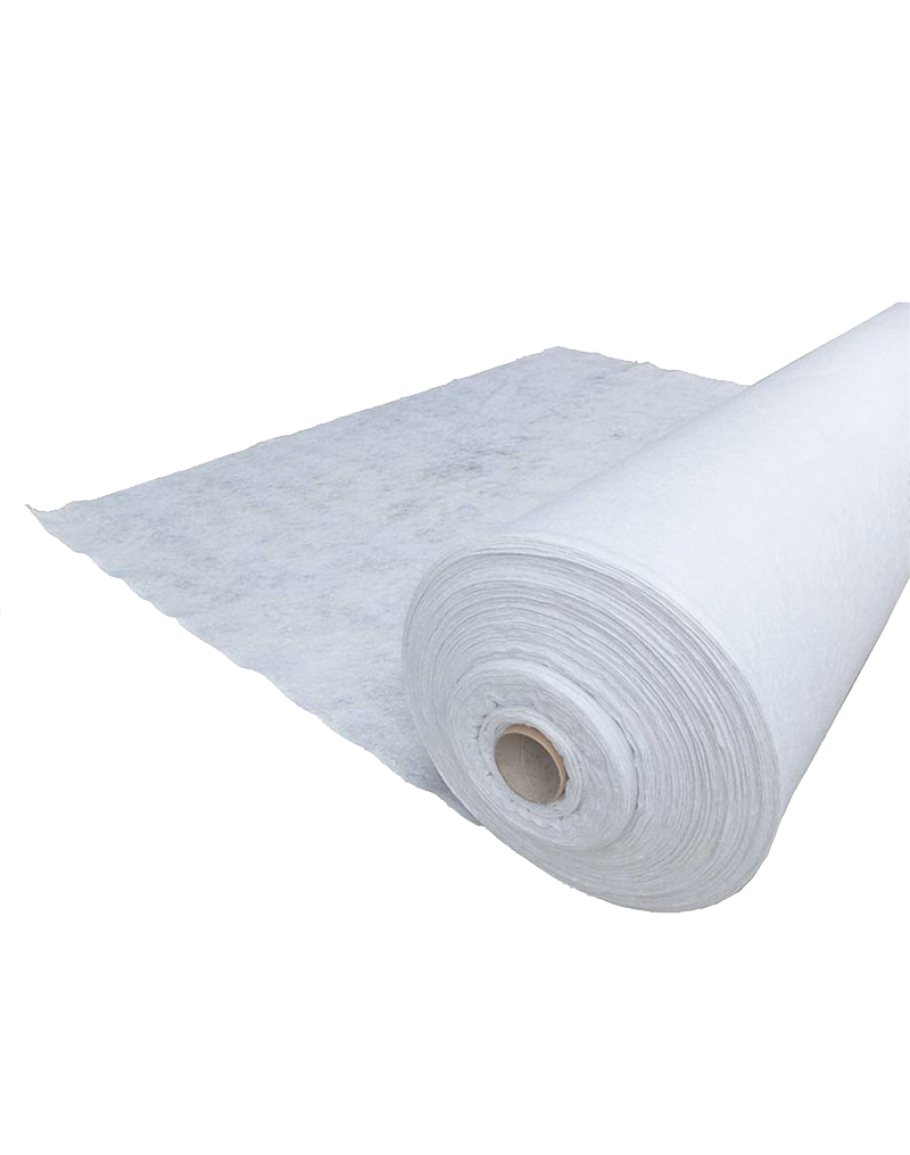
What Makes Geotextile a Critical Material in Construction?
Geotextile is not just a supporting material—it is a functional layer that directly interacts with soil and water. Made from synthetic fibers like polypropylene (PP) or polyester (PET), geotextiles are designed to improve ground performance in demanding conditions.
What makes geotextiles essential is their ability to perform multiple roles simultaneously. Instead of using several separate materials, one properly selected geotextile can handle filtration, reinforcement, and drainage at the same time. This simplifies construction and reduces overall material costs.
What Are the Most Common Problems in Construction That Geotextiles Solve?
Many infrastructure failures are caused by predictable issues related to soil and water interaction. Geotextiles are specifically designed to address these problems.
● Soil instability that leads to uneven settlement
● Water accumulation that weakens structural layers
● Loss of fine particles causing voids and collapse
● Surface erosion in slopes and embankments
● Damage to protective layers due to friction or pressure
By addressing these risks early, geotextiles help prevent costly repairs and structural failures.
How Do Geotextiles Improve Drainage Performance?
One of the biggest challenges in construction is managing water effectively. Poor drainage can compromise the strength of foundations and reduce the lifespan of structures.
Geotextiles act as a filtration layer that allows water to pass through while preventing soil particles from clogging drainage systems. This ensures continuous water flow and reduces pressure buildup within the soil.
In applications such as retaining walls, road subgrades, and foundation systems, proper drainage supported by geotextiles is essential for long-term stability.
Can Geotextiles Really Strengthen Weak Soil?
This is one of the most frequently asked questions by engineers and contractors. The answer is yes—when used correctly, geotextiles can significantly improve soil performance.
Geotextiles distribute loads more evenly across the soil surface, reducing localized stress. This is especially useful in soft or unstable ground conditions, where traditional construction methods may struggle.
In road construction, for example, geotextiles help prevent rutting and deformation by stabilizing the base layer. This leads to longer-lasting roads with lower maintenance requirements.
Where Do Geotextiles Deliver the Most Value?
Geotextiles are used in a wide range of applications, but their value is particularly evident in environments where soil and water conditions are challenging.
● Infrastructure projects such as highways and railways
● Coastal and riverbank protection against erosion
● Landfill systems requiring separation and filtration
● Drainage systems in residential and commercial construction
● Agricultural land improvement and soil management
In each of these applications, geotextiles improve performance while reducing long-term costs.
What Should Buyers Focus on When Selecting Geotextiles?
Choosing the right geotextile is not just about price—it is about matching the material to the project requirements.
● Project objective: Identify whether the primary need is drainage, reinforcement, or separation
● Soil type: Fine soils require better filtration, while coarse soils may need stronger reinforcement
● Load conditions: High-load environments require higher tensile strength
● Environmental exposure: Consider UV exposure, moisture, and chemical conditions
● Installation method: Ensure compatibility with construction processes
A well-matched geotextile improves efficiency and avoids unnecessary material costs.
Are Geotextiles Cost-Effective in the Long Run?
Although geotextiles add to initial project costs, they often result in significant long-term savings.
● Reduced maintenance and repair frequency
● Extended lifespan of infrastructure
● Lower risk of structural failure
● Improved construction efficiency
In large-scale projects, these benefits can translate into substantial cost reductions over time.
What Are the Differences in Performance Between Geotextile Types?
Understanding performance differences helps avoid common mistakes in material selection.
● Nonwoven geotextiles: Best for drainage and filtration due to high permeability
● Woven geotextiles: Best for reinforcement due to higher tensile strength
● Composite geotextiles: Combine multiple functions for complex applications
Each type serves a specific purpose, and incorrect selection can lead to reduced effectiveness.
How Is the Geotextile Industry Evolving?
As construction demands increase, geotextile technology continues to advance.
● Development of biodegradable and eco-friendly materials
● Improved strength-to-weight ratios
● Enhanced resistance to extreme environmental conditions
● Integration with advanced geosynthetic systems
These innovations are making geotextiles more efficient and adaptable to modern engineering challenges.
Conclusion
Geotextiles have become a fundamental component in modern construction due to their ability to improve soil stability, manage water flow, and reduce long-term risks. Their multifunctional nature makes them a cost-effective solution for a wide range of applications.
For B2B buyers and project managers, the key is to understand the specific challenges of each project and select the appropriate geotextile accordingly. With the right choice, geotextiles can significantly enhance performance, reduce maintenance costs, and ensure long-term success.
FAQ
1. Can geotextiles be used in all soil types?
Yes, but the type of geotextile must be selected based on soil characteristics to ensure proper performance.
2. Do geotextiles require special installation?
No, but proper installation practices are important to achieve optimal results.
3. Are geotextiles environmentally friendly?
Some modern geotextiles are designed to be eco-friendly or biodegradable, depending on the application.
4. What is the biggest advantage of using geotextiles?
Their ability to combine multiple functions—such as filtration, drainage, and reinforcement—into a single material makes them highly efficient.
Post time: Apr-20-2026