
In civil engineering and infrastructure construction, selecting the right geosynthetic material directly impacts project stability, durability, and long-term costs. Among various solutions, needle punched nonwoven geotextiles have become one of the most widely used materials due to their versatility, excellent permeability, and cost-effectiveness.
For B2B buyers, engineers, and contractors, the key is understanding how this material works and how to select the right specifications based on different project requirements. This article focuses on frequently searched user questions to provide practical guidance.
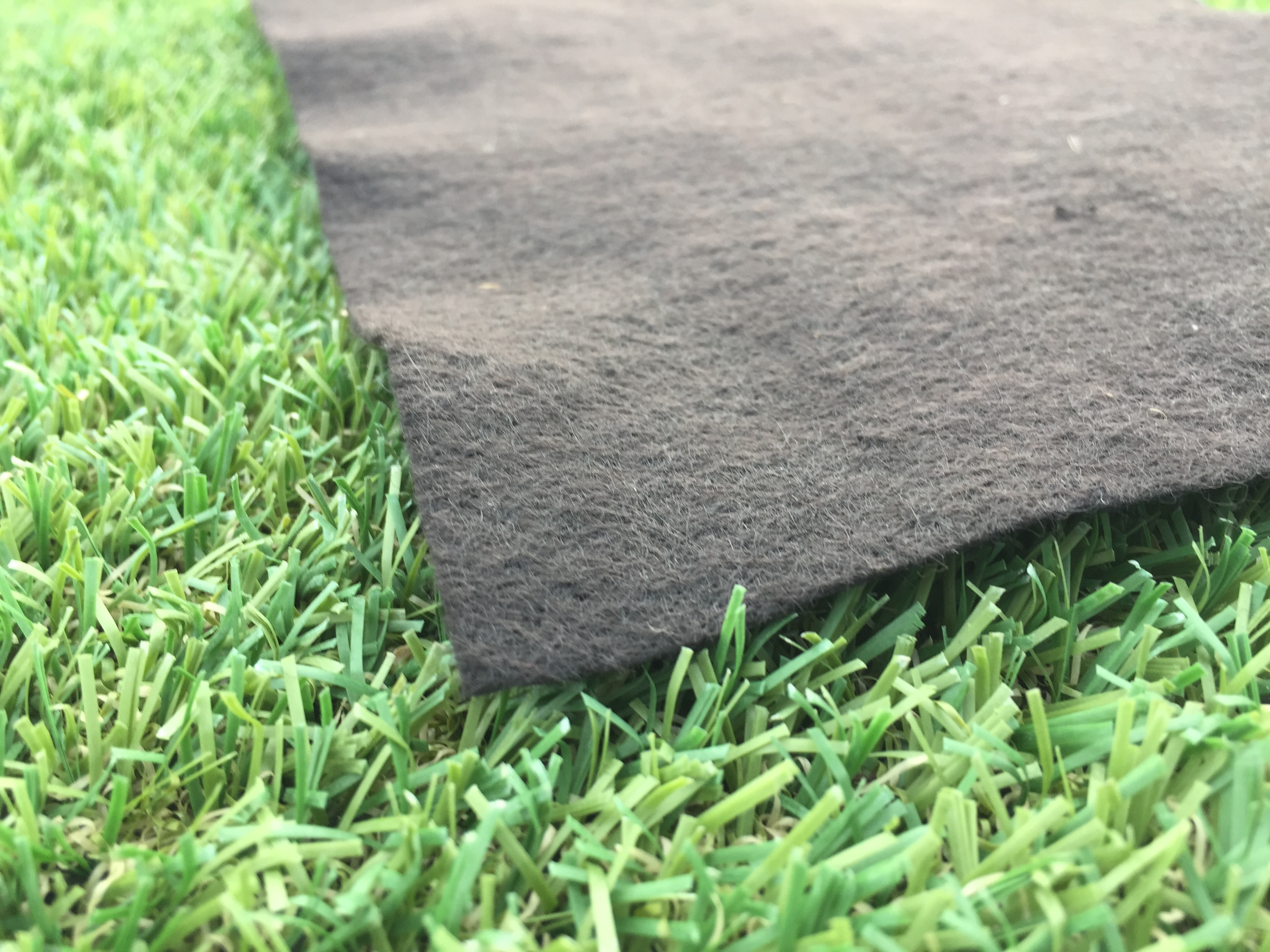
What Are Needle Punched Nonwoven Geotextiles?
Needle punched nonwoven geotextiles are permeable fabrics made from synthetic fibers such as polypropylene (PP) or polyester (PET), bonded together through a mechanical needle punching process. This process repeatedly entangles fibers to form a strong yet flexible structure.
Unlike woven geotextiles, which are produced by interlacing yarns, nonwoven geotextiles feature a random fiber arrangement. This structure gives them superior filtration and drainage performance, making them ideal for applications where water flow and soil retention are critical.
Why Are Needle Punched Nonwoven Geotextiles So Widely Used?
Their popularity comes from their ability to deliver multiple functions within a single layer, reducing system complexity.
● Excellent permeability to allow efficient water flow
● Strong filtration capability to prevent soil particle loss
● High elongation and flexibility for uneven surfaces
● Good puncture resistance under load
● Adaptability to various soil conditions
These advantages make them suitable for a wide range of engineering projects.
What Functions Do They Serve in Engineering Projects?
Understanding their functions helps ensure proper application.
● Filtration: Retains soil particles while allowing water to pass through
● Drainage: Promotes water flow and reduces hydrostatic pressure
● Separation: Prevents mixing of different soil layers
● Protection: Shields geomembranes and other materials from damage
● Reinforcement: Provides additional support in soft soil conditions
Together, these functions significantly enhance infrastructure performance.
Where Are Needle Punched Nonwoven Geotextiles Commonly Used?
These materials are widely applied across different industries.
● Road and highway construction for subgrade stabilization
● Railway track foundation reinforcement
● Drainage systems in retaining walls and foundations
● Landfill lining and environmental protection projects
● Riverbank and slope erosion control
● Landscaping and agricultural applications
Their versatility makes them a standard solution in modern engineering.
How Do You Choose the Right Needle Punched Nonwoven Geotextile?
One of the most common user concerns is selecting the correct specification. Incorrect selection can lead to performance issues or unnecessary costs.
● Weight (GSM): Higher weight provides better strength and puncture resistance
● Tensile strength: Critical for reinforcement and load-bearing applications
● Permeability: Must match drainage requirements
● Thickness: Affects cushioning and protection performance
● Material type: PP is lighter and more chemical-resistant; PET offers higher strength
● Soil conditions: Fine soils require better filtration performance
Proper parameter matching ensures optimal results.
What Is the Difference Between Nonwoven and Woven Geotextiles?
This is a frequently searched comparison.
● Nonwoven geotextiles: Better for filtration, drainage, and protection
● Woven geotextiles: Better for high-strength reinforcement applications
● Nonwoven materials are more flexible and easier to install
● Woven materials typically have lower permeability
The choice depends on whether permeability or tensile strength is the priority.
How Long Do Needle Punched Nonwoven Geotextiles Last?
Service life depends on material quality, environmental conditions, and installation methods.
● Typically UV-stabilized for long-term durability
● Resistant to biological degradation and most chemicals
● Can last decades in buried applications
● Proper installation extends lifespan significantly
High-quality products are essential for long-term projects.
What Are the Latest Trends in Nonwoven Geotextiles?
As construction demands evolve, geotextile technology continues to advance.
● Development of eco-friendly and recyclable materials
● Improved fiber bonding for enhanced strength
● Better durability under extreme conditions
● Integration with composite geosynthetic systems
These trends are expanding their application scope.
Conclusion
Needle punched nonwoven geotextiles are a reliable and versatile solution for modern engineering challenges. Their ability to combine filtration, drainage, separation, and protection in a single material makes them highly efficient and cost-effective.
For B2B buyers, understanding project requirements and selecting the appropriate specifications is critical. With the right choice, these materials can significantly improve performance while reducing long-term maintenance costs.
FAQ
1. What is the main advantage of needle punched nonwoven geotextiles?
Their main advantage is excellent filtration and drainage performance combined with flexibility and ease of installation.
2. Can they be used in heavy-load applications?
Yes, provided the correct weight and strength specifications are selected.
3. Are they suitable for drainage systems?
Yes, their high permeability makes them ideal for drainage applications.
4. How do I choose between PP and PET materials?
PP offers better chemical resistance and lighter weight, while PET provides higher tensile strength for demanding applications.
Post time: Apr-10-2026