
In today’s industrial landscape, sustainability, performance, and versatility are top priorities. PLA Needle-Punched Nonwoven Fabric has emerged as a key material addressing these demands. Made from biodegradable polylactic acid (PLA) fibers, this fabric offers a green alternative to traditional synthetic nonwovens, while providing strength, durability, and adaptability across multiple sectors. Understanding its features, applications, and benefits is crucial for B2B enterprises aiming to optimize their supply chains and enhance product offerings.
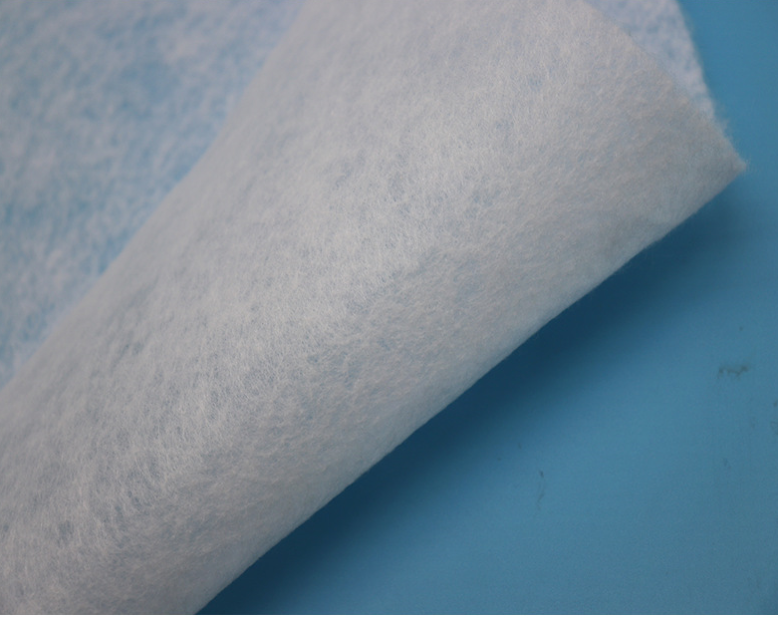
What Is PLA Needle-Punched Nonwoven Fabric?
PLA Needle-Punched Nonwoven Fabric is a type of nonwoven textile created by mechanically entangling PLA fibers using needle-punching technology. Unlike woven fabrics, these nonwovens do not require knitting or weaving, allowing for a highly versatile structure. The use of PLA, a plant-based polymer derived from renewable resources like corn starch or sugarcane, ensures that the fabric is fully biodegradable and environmentally friendly.
Key advantages of PLA needle-punched nonwoven fabric include:
● Eco-friendly material: Fully biodegradable and compostable, reducing environmental impact.
● Durability: Needle-punched construction provides high tensile strength and resilience.
● Versatility: Suitable for filtration, medical applications, industrial use, and packaging.
● Lightweight design: Combines strength with ease of handling and installation.
Types and Technical Specifications
Businesses seeking PLA needle-punched nonwoven fabrics can select from several variants based on fiber weight, thickness, and application requirements. Key technical specifications include:
● Fabric Weight (GSM): Ranges from lightweight 30–50 g/m² for medical or hygiene applications to 150–200 g/m² for industrial reinforcement.
● Thickness: Typically 0.3–3 mm, adjustable based on mechanical or filtration needs.
● Pore Size: Controlled during needle-punching to achieve precise filtration or airflow.
● Tensile Strength: Engineered to withstand mechanical stress in packaging, geotextiles, or composite reinforcements.
● Moisture Absorption and Breathability: Maintains functional performance in hygiene, agriculture, and filtration applications.
Key B2B Applications
The versatility of PLA needle-punched nonwoven fabrics makes them suitable across multiple industries.
● Medical and Hygiene Products: Masks, surgical gowns, disposable wipes, and hygiene pads benefit from its biodegradability and breathability.
● Filtration and Industrial Use: Air filters, liquid filtration layers, and protective coverings utilize the fabric’s controlled porosity and durability.
● Agriculture: Mulch mats, crop covers, and seed protection fabrics leverage PLA’s biodegradability to reduce environmental impact.
● Packaging and Shipping: Eco-friendly bags, padding, and cushioning for sensitive products use needle-punched nonwovens for strength and lightweight properties.
● Construction and Civil Engineering: PLA nonwoven geotextiles support soil stabilization, erosion control, and drainage while being environmentally sustainable.
Product Features and Performance Advantages
PLA Needle-Punched Nonwoven Fabric is recognized for its unique structural and material properties, providing measurable advantages in industrial applications:
● High Tensile Strength and Resilience: Needle-punching mechanically entangles fibers, enabling the fabric to maintain stability under tension and compression, ideal for packaging, industrial reinforcement, and protective layers.
● Breathability and Filtration Efficiency: Its fiber arrangement and porosity allow excellent airflow and uniform filtration, making it suitable for air, liquid, and medical filtration applications.
● Biodegradability and Environmental Safety: Made from plant-based PLA fibers, the fabric fully decomposes under industrial composting conditions, aligning with modern sustainability goals.
● Lightweight and Flexible: Easy to handle, cut, and layer, increasing production efficiency and ease of integration into composite systems.
● Chemical and Thermal Resistance: Resistant to common chemicals and capable of maintaining structural stability across a moderate temperature range, meeting industrial and construction requirements.
● Layering and Composite Applications: Can be combined with other nonwoven layers, membranes, or reinforcement fibers to achieve tailored functionality such as water resistance, reinforcement, or thermal insulation.
These product features ensure PLA needle-punched nonwoven fabrics deliver reliable performance across medical, industrial, agricultural, packaging, and construction applications, providing B2B enterprises with versatile solutions.
Summary
PLA Needle-Punched Nonwoven Fabric represents a sustainable, high-performance solution for modern industries. Its combination of biodegradability, durability, and versatility makes it suitable for medical, industrial, agricultural, packaging, and construction applications. For B2B companies, investing in PLA nonwovens enables environmentally responsible product offerings, operational efficiency, and alignment with global sustainability objectives. Leveraging the fabric’s structural advantages and performance characteristics ensures optimal value in diverse industrial scenarios.
FAQ
Q1: What industries commonly use PLA needle-punched nonwoven fabrics?
A1: They are widely used in medical and hygiene products, filtration, agriculture, packaging, and construction applications.
Q2: How does needle-punched PLA nonwoven differ from other nonwovens?
A2: Needle-punched PLA nonwovens are mechanically entangled for strength and porosity, offering high durability and controlled filtration compared to spunbond or meltblown nonwovens.
Q3: Is PLA needle-punched nonwoven fabric fully biodegradable?
A3: Yes, it is made from plant-based PLA fibers and can fully biodegrade under industrial composting conditions.
Q4: Can the fabric be customized for specific industrial applications?
A4: Absolutely, it can be tailored in weight, thickness, fiber composition, and porosity to meet filtration, construction, packaging, or hygiene requirements.
Post time: Mar-11-2026