
As global industries move toward environmentally responsible production, material selection has become a strategic decision rather than a simple cost comparison. Biodegradable PLA spunbond nonwoven fabric is rapidly gaining attention as a high-performance, eco-friendly alternative to traditional petroleum-based nonwoven materials.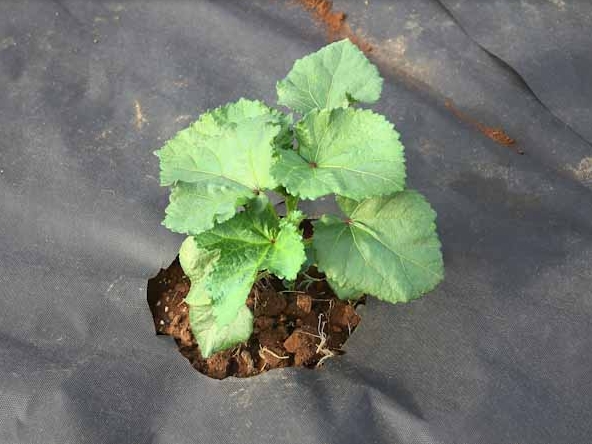
For B2B buyers in packaging, agriculture, medical, and hygiene industries, this material offers a unique combination of sustainability, functionality, and market competitiveness. This article focuses on the product itself—its structure, performance, advantages, and how to select the right specifications for real applications.
What Is Biodegradable PLA Spunbond Nonwoven Fabric?
Biodegradable PLA spunbond nonwoven fabric is made from polylactic acid (PLA), a polymer derived from renewable resources such as corn starch or sugarcane. Using the spunbond process, continuous filaments are extruded, laid into a uniform web, and thermally bonded to form a durable and breathable fabric.
Unlike conventional polypropylene (PP) nonwoven fabrics, PLA materials are designed to biodegrade under industrial composting conditions, significantly reducing environmental impact.
This makes PLA spunbond fabric especially suitable for applications where both performance and sustainability are required.
What Makes PLA Spunbond Fabric Different from Traditional Materials?
The key difference lies in raw material origin and end-of-life performance.
● PLA is derived from renewable plant-based resources
● PP is derived from petroleum-based sources
● PLA can biodegrade under controlled composting conditions
● PP remains in the environment for decades
From a product perspective, PLA fabrics provide a more sustainable lifecycle without sacrificing essential functionality in many applications.
Key Product Features and Performance Advantages
When evaluating biodegradable PLA spunbond nonwoven fabric, several product characteristics stand out.
● Eco-friendly and biodegradable
Reduces long-term environmental impact and supports sustainable branding
● Lightweight yet strong structure
Provides sufficient tensile strength for light to medium-duty applications
● Excellent breathability
Allows air and moisture transmission, ideal for agricultural and hygiene uses
● Soft and uniform texture
Suitable for products requiring skin contact or aesthetic quality
● Good chemical safety
Free from harmful additives, making it suitable for medical and food-related applications
● Thermal bonding capability
Compatible with standard nonwoven processing and product manufacturing
These features make PLA spunbond fabric a competitive alternative in many industries.
Typical Product Applications
Biodegradable PLA spunbond nonwoven fabric is widely used across multiple sectors.
● Agriculture
Crop covers, weed control fabrics, and plant protection materials
● Packaging industry
Eco-friendly shopping bags, wrapping materials, and protective layers
● Medical and hygiene products
Disposable gowns, masks, and sanitary materials
● Retail and consumer goods
Sustainable textile alternatives for single-use applications
● Industrial applications
Temporary protection layers and filtration materials
Its versatility allows manufacturers to replace traditional materials while meeting sustainability targets.
How to Choose the Right PLA Spunbond Fabric?
Selecting the correct product specification is critical for achieving the desired performance.
● Basis weight (GSM)
Higher GSM provides better strength and durability
● Tensile strength
Important for applications involving load or stress
● Air permeability
Should match the requirements of the intended application
● Thickness and softness
Relevant for comfort and protective functions
● Degradation requirements
Consider how and where the material will decompose
● Processing compatibility
Ensure it fits existing manufacturing systems
For B2B buyers, aligning these parameters with application needs ensures optimal results.
Why Businesses Are Switching to PLA Nonwoven Fabrics
Market trends show increasing demand for sustainable materials driven by regulations and consumer expectations.
● Environmental policies encouraging biodegradable materials
● Brand differentiation through eco-friendly products
● Reduced long-term environmental liability
● Growing demand in green supply chains
Adopting PLA spunbond fabric helps companies stay competitive in evolving markets.
Future Development of PLA Spunbond Fabrics
The PLA nonwoven sector continues to evolve with technological advancements.
● Improved strength and durability through material innovation
● Enhanced control over degradation rates
● Expansion into higher-performance applications
● Increased cost efficiency through large-scale production
These developments will further expand its industrial applications.
Conclusion
Biodegradable PLA spunbond nonwoven fabric represents a significant step forward in sustainable material technology. Combining renewable sourcing with reliable performance, it offers a practical alternative for industries seeking to reduce environmental impact without compromising product quality.
For B2B buyers, the key lies in understanding product specifications and matching them to application requirements. With proper selection, PLA spunbond fabrics can deliver both functional performance and long-term sustainability benefits.
FAQ
1. Is PLA spunbond nonwoven fabric fully biodegradable?
It is biodegradable under industrial composting conditions, depending on environmental factors.
2. Can PLA fabric replace PP nonwoven fabric completely?
Not in all cases. It is suitable for many applications but may not match PP in high-temperature or heavy-duty environments.
3. Is PLA spunbond fabric safe for medical use?
Yes, it is generally safe and suitable for hygiene and medical applications.
4. What industries benefit most from PLA nonwoven fabrics?
Agriculture, packaging, medical, and retail industries benefit the most due to sustainability requirements.
Post time: Apr-29-2026