
In many drainage, landscaping, road base, and ground protection projects, the real problem is not only water. It is what water carries with it. When rainwater or groundwater moves through soil, it may take fine soil particles into gravel layers, drainage pipes, or protected areas. Over time, this can cause clogging, uneven ground, soil loss, and higher maintenance costs.
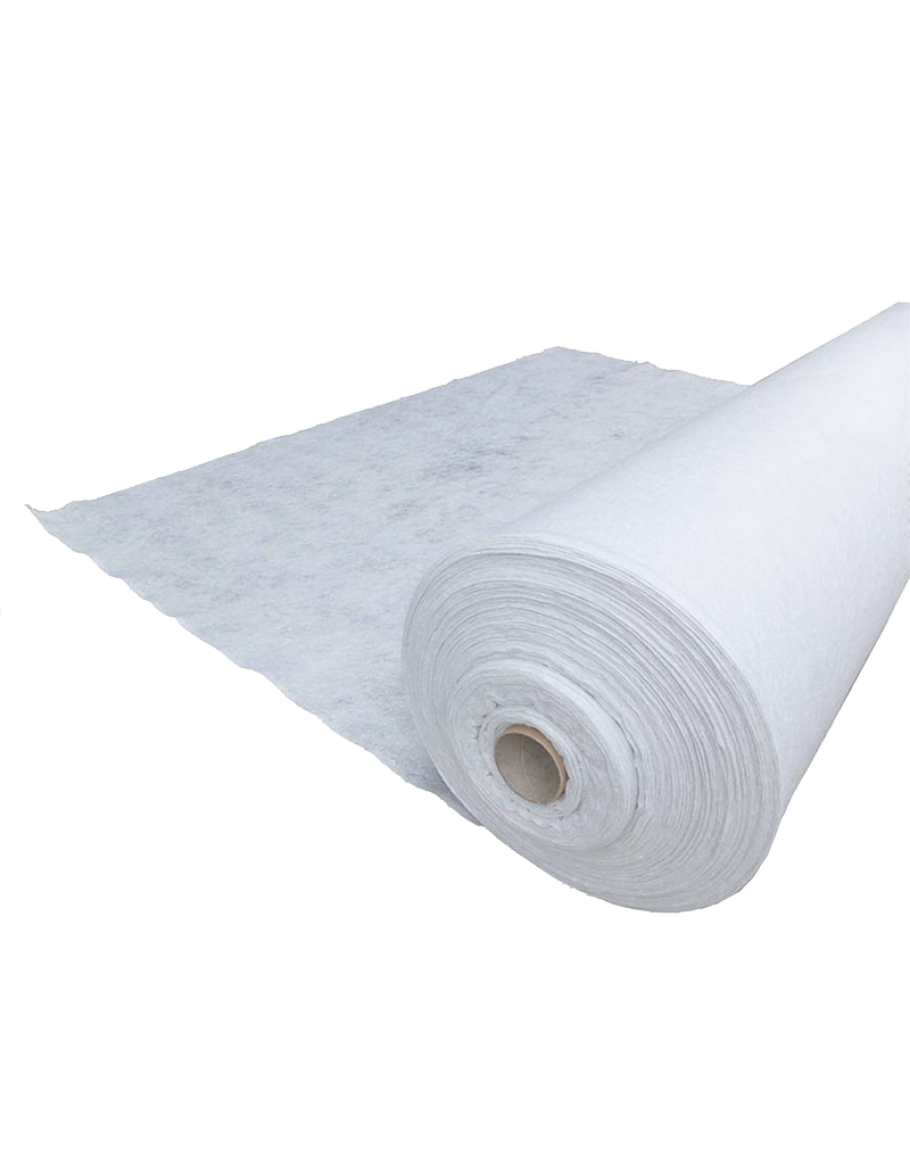
This is why Needle Punch Geotextile Fabric is widely used in civil engineering, landscaping, drainage systems, retaining walls, pond liner protection, and ground stabilization projects. It works as a functional layer between soil, aggregate, drainage materials, and membranes, helping the whole system stay cleaner and more stable.
When Drainage Systems Start to Fail
A drainage system may look simple: water flows through soil, gravel, or pipes and moves away from the project area. But in real use, soil particles can easily enter the drainage layer. Once fine soil builds up inside gravel or pipes, water flow becomes slower. The drainage system may gradually lose efficiency.
This issue is common in:
- French drains
- Retaining wall drainage
- Garden drainage layers
- Roadside drainage systems
- Foundation drainage
- Landscape gravel beds
Needle Punch Geotextile Fabric helps reduce this problem by acting as a filter layer. Water can pass through the fabric, while many soil particles are held back. This helps the drainage layer stay open for longer and reduces the risk of clogging.
When Soil and Gravel Begin to Mix
In road base, driveway, walkway, and landscape projects, different ground layers are usually designed for different purposes. Soil provides the base, while gravel or aggregate provides drainage, load support, or surface structure. If these layers mix together, the project may lose stability.
Without a separation layer, soft soil can move upward into the gravel, while gravel may sink into the soil below. This can lead to uneven surfaces, rutting, poor drainage, and more frequent repair work.
Needle Punch Geotextile Fabric can be installed between soil and aggregate to help keep the layers separated. This is useful for:
- Gravel driveways
- Pathways
- Parking areas
- Road base layers
- Outdoor working areas
- Landscape stone areas
By reducing layer mixing, the fabric helps the ground structure maintain its intended function.
When Pond Liners and Membranes Need Protection
Another common problem happens in pond, reservoir, landfill, and waterproofing projects. Liners and membranes are often installed over soil, gravel, or prepared ground. Even after surface preparation, small stones, roots, or uneven points may remain.
If the membrane is placed directly on the ground, these sharp or uneven areas can create pressure points. Over time, this may increase the risk of punctures or damage.
Needle Punch Geotextile Fabric provides a protective cushion layer. It can be placed under or above the liner to reduce direct contact with sharp ground surfaces. This helps improve the safety of membrane systems in applications such as:
- Pond liner protection
- Artificial lake construction
- Reservoir lining
- Landfill lining systems
- Waterproof membrane protection
- Garden water features
For this use, thickness, puncture resistance, and fabric softness are especially important.
When Landscaping Areas Need Long-Term Stability
In landscape projects, appearance is important, but ground performance matters just as much. Gravel paths, decorative stones, garden edges, and drainage beds may look clean at first, but soil movement can change the result over time.
If soil mixes with decorative stones, the surface may become messy. If drainage is poor, water may collect in low areas. If the ground layer is not stable, the finished landscape may require repeated maintenance.
Needle Punch Geotextile Fabric can be used under gravel, stones, paths, and drainage areas to help control soil movement and improve ground layer stability. It is flexible, easy to cut, and suitable for many garden and landscape layouts.
Why Needle Punch Structure Works Well
The performance of Needle Punch Geotextile Fabric comes from its nonwoven fiber structure. PET or PP fibers are arranged randomly and mechanically bonded through needle punching. This creates a fabric with permeability, flexibility, and strength.
Unlike woven fabric, which has a more regular structure, needle punched geotextile forms a three-dimensional fiber network. This allows it to support filtration, drainage, separation, and protection at the same time.
|
Project Problem |
How Needle Punch Geotextile Fabric Helps |
| Drainage clogging | Filters soil particles while allowing water flow |
| Soil and gravel mixing | Separates different ground layers |
| Membrane puncture risk | Provides a protective cushion layer |
| Uneven landscape base | Helps stabilize ground structure |
| High maintenance | Reduces soil movement and material mixing |
This is why one fabric can be used across many types of ground and drainage projects.
PET or PP: Which Material Fits the Project?
Needle Punch Geotextile Fabric is commonly made from PET or PP fibers. Both materials can be used for drainage, filtration, and protection, but the best choice depends on project requirements.
PET Needle Punch Geotextile Fabric is often selected for applications that need good strength, durability, and dimensional stability. It can be suitable for road work, membrane protection, drainage systems, and civil engineering projects.
PP Needle Punch Geotextile Fabric is lightweight, flexible, and offers good chemical resistance. It is commonly used in landscaping, garden drainage, filtration, and general ground protection.
Instead of choosing only by price, buyers should consider soil condition, water flow, installation environment, required strength, fabric weight, and project life.
Vinner Needle Punch Geotextile Fabric
Vinner supplies PET/PP Needle Punch Geotextile Fabrics as part of its Multipurpose Fabrics product line. The company also provides PP Woven Weed Barrier, PP/PET/RPET/PLA spunbond nonwoven fabrics, PLA needle-punched nonwoven fabric, capped woven needlepunched fabrics, garden products, netting, shade materials, and other outdoor covering solutions.
For buyers working on drainage, landscaping, road base, pond liner protection, retaining wall, and ground stabilization projects, Vinner can support different material options, fabric weights, roll sizes, packaging methods, and OEM requirements.
With experience in functional fabrics and outdoor materials, Vinner helps buyers match Needle Punch Geotextile Fabric with real project conditions, instead of choosing a general material without considering the application.
Conclusion
Needle Punch Geotextile Fabric is important because many ground projects fail slowly, not suddenly. Drainage layers clog, soil and gravel mix, membranes face pressure points, and landscape areas lose stability over time. A suitable geotextile layer can help reduce these problems before they become costly repairs.
For drainage, filtration, separation, membrane protection, and ground stabilization, Needle Punch Geotextile Fabric provides a practical solution. Buyers should choose the material, weight, thickness, strength, permeability, and roll size based on real project conditions.
FAQ
1. Why is Needle Punch Geotextile Fabric used in drainage projects?
It allows water to pass through while helping retain soil particles, reducing the risk of drainage layer clogging.
2. Can Needle Punch Geotextile Fabric separate soil and gravel?
Yes. It can be placed between soil and aggregate layers to reduce mixing and help maintain ground stability.
3. Is Needle Punch Geotextile Fabric suitable for pond liner protection?
Yes. It can act as a cushion layer under or above pond liners, geomembranes, and waterproof membranes to reduce puncture risk.
Post time: Jul-17-2026