
PLA nonwoven spunbond fabrics are eco-friendly nonwoven materials made from polylactic acid (PLA), a bio-based polymer derived from renewable resources such as corn and sugarcane. Compared with traditional petroleum-based nonwoven fabrics, PLA spunbond fabrics offer a more sustainable material option while maintaining lightweight structure, good breathability, smooth surface, and easy processing performance. They are widely used in sustainable packaging, agriculture, hygiene products, filtration support, and industrial applications where both environmental value and material performance are important.
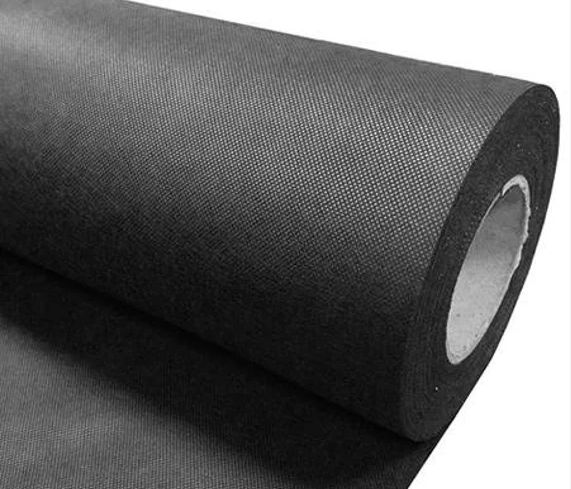
What Are PLA Nonwoven Spunbond Fabrics?
PLA nonwoven spunbond fabrics are produced from polylactic acid fibers through a spunbond manufacturing process. During production, PLA polymer is melted and extruded into continuous filaments, which are then formed into a web structure and bonded together to create a nonwoven fabric.
Unlike woven fabrics, PLA spunbond nonwoven fabrics do not require traditional weaving processes. This manufacturing method creates a uniform structure with stable thickness, smooth surface appearance, and good processing performance.
PLA is considered a bio-based material because its raw materials mainly come from renewable plant resources. This makes PLA nonwoven spunbond fabrics different from many conventional petroleum-based materials and provides an alternative option for companies focusing on sustainable product solutions.
Why Are PLA Nonwoven Spunbond Fabrics Becoming Popular?
The growing interest in PLA nonwoven spunbond fabrics is closely related to the global movement toward environmentally responsible materials. Many industries are looking for alternatives that can reduce dependence on traditional plastics while maintaining product performance.
One important advantage of PLA material is its renewable origin. Compared with petroleum-based polymers, PLA is produced from plant-derived resources, making it attractive for brands and manufacturers developing eco-friendly products.
PLA nonwoven fabrics also provide practical properties, including:
- Lightweight structure for easy processing
- Good air permeability for breathable applications
- Soft surface suitable for contact products
- Stable fabric appearance
- Easy cutting and converting performance
- Compatibility with different product designs
These characteristics allow PLA spunbond fabrics to be used in industries where both environmental considerations and functional performance are important.
What Are PLA Nonwoven Spunbond Fabrics Used For?
PLA nonwoven spunbond fabrics can be used across multiple industries because of their balance between sustainability and usability.
Sustainable Packaging Applications
PLA spunbond fabrics are increasingly considered for environmentally friendly packaging products. They can be used for shopping bags, gift bags, protective packaging, and other products where brands want to improve their sustainability image.
Compared with traditional plastic-based packaging materials, PLA-based products can better meet the growing demand for renewable material solutions.
Agriculture and Garden Applications
In agriculture, PLA nonwoven fabrics can be used for plant protection, crop covers, seedling protection, and gardening products. Their breathable structure allows air movement while providing lightweight protection for plants.
For agricultural buyers looking for sustainable materials, PLA nonwoven fabric provides an option that combines environmental value with practical field performance.
Hygiene and Medical-Related Products
Due to its soft touch and breathable characteristics, PLA nonwoven fabric can also be considered for hygiene-related applications where comfort and material safety are important.
Its smooth surface and lightweight structure make it suitable for products requiring good user experience and fabric consistency.
Industrial and Technical Applications
PLA spunbond nonwoven fabrics can also be used in industrial products, filtration support materials, protective layers, and composite applications where lightweight and environmentally friendly materials are preferred.
The final application depends on fabric specifications, treatment methods, and product design requirements.
PLA Nonwoven Spunbond Fabrics Compared with Traditional Nonwoven Materials
|
Comparison |
PLA Nonwoven Spunbond Fabric |
PP Spunbond Nonwoven Fabric |
| Raw Material | Plant-based PLA polymer | Petroleum-based polypropylene |
| Environmental Feature | Renewable resource material | Traditional synthetic material |
| Surface Feel | Soft and smooth | Flexible and lightweight |
| Breathability | Good air permeability | Good air permeability |
| Common Applications | Sustainable packaging, eco products, agriculture | Bags, crop covers, general packaging |
| Market Position | Focus on sustainability | Focus on cost efficiency |
PLA and PP spunbond fabrics are not direct replacements for every application. PP remains widely used because of its cost advantage, while PLA is preferred when environmental value and renewable materials are important purchasing factors.
How Can PLA Nonwoven Spunbond Fabrics Be Customized?
PLA nonwoven spunbond fabrics can be customized according to different product requirements. Common customization options include fabric weight, width, color, roll length, surface treatment, packaging method, and other processing requirements.
For packaging products, buyers may focus on appearance, softness, color consistency, and printing performance.
For agricultural applications, buyers may consider breathability, fabric strength, outdoor performance, and roll size.
For industrial applications, structural stability, processing compatibility, and material consistency may be more important.
Choosing suitable specifications helps manufacturers create products that match their target market and application environment.
Why Choose Vinner for PLA Nonwoven Spunbond Fabrics?
Vinner focuses on the development and supply of multipurpose fabrics, including PP/PET/RPET/PLA nonwoven spunbond fabrics, needle-punched fabrics, geotextile materials, garden products, netting, shade products, and outdoor covering solutions.
With experience in nonwoven materials and related product applications, Vinner provides different fabric options according to customer requirements, including material selection, fabric specifications, roll sizes, and customized solutions.
For buyers looking for PLA nonwoven spunbond fabrics for sustainable packaging, agriculture, garden products, or industrial applications, Vinner can provide suitable material solutions based on different market needs.
Conclusion
PLA nonwoven spunbond fabrics are becoming an important sustainable material option for industries looking to combine environmental responsibility with practical performance. Made from renewable resources, PLA fabrics offer lightweight structure, breathability, soft surface characteristics, and flexible application possibilities.
From sustainable packaging and agriculture to hygiene products and industrial materials, PLA spunbond nonwoven fabrics provide manufacturers with more choices for developing environmentally friendly products.
As the demand for sustainable materials continues to grow, selecting a reliable PLA nonwoven fabric partner with material knowledge, customization ability, and stable production support becomes increasingly important.
FAQ
1. What are PLA nonwoven spunbond fabrics made from?
PLA nonwoven spunbond fabrics are made from polylactic acid (PLA), a bio-based polymer produced from renewable plant resources such as corn and sugarcane.
2. Are PLA nonwoven spunbond fabrics environmentally friendly?
Yes. PLA fabrics are considered a more sustainable option because they are produced from renewable resources instead of traditional petroleum-based materials.
3. What are PLA spunbond fabrics used for?
They are used for sustainable packaging, agriculture, garden products, hygiene-related products, filtration support, and industrial applications.
4. Can PLA nonwoven spunbond fabrics be customized?
Yes. PLA nonwoven spunbond fabrics can be customized in fabric weight, width, color, roll length, surface treatment, packaging, and other specifications.
Post time: Jul-08-2026