
PLA geotextile is an emerging eco-friendly geosynthetic material that is increasingly used in civil engineering, environmental restoration, and temporary construction projects. As global infrastructure development shifts toward sustainability and low-carbon solutions, this material based on renewable resources is gaining significant attention in the engineering industry.
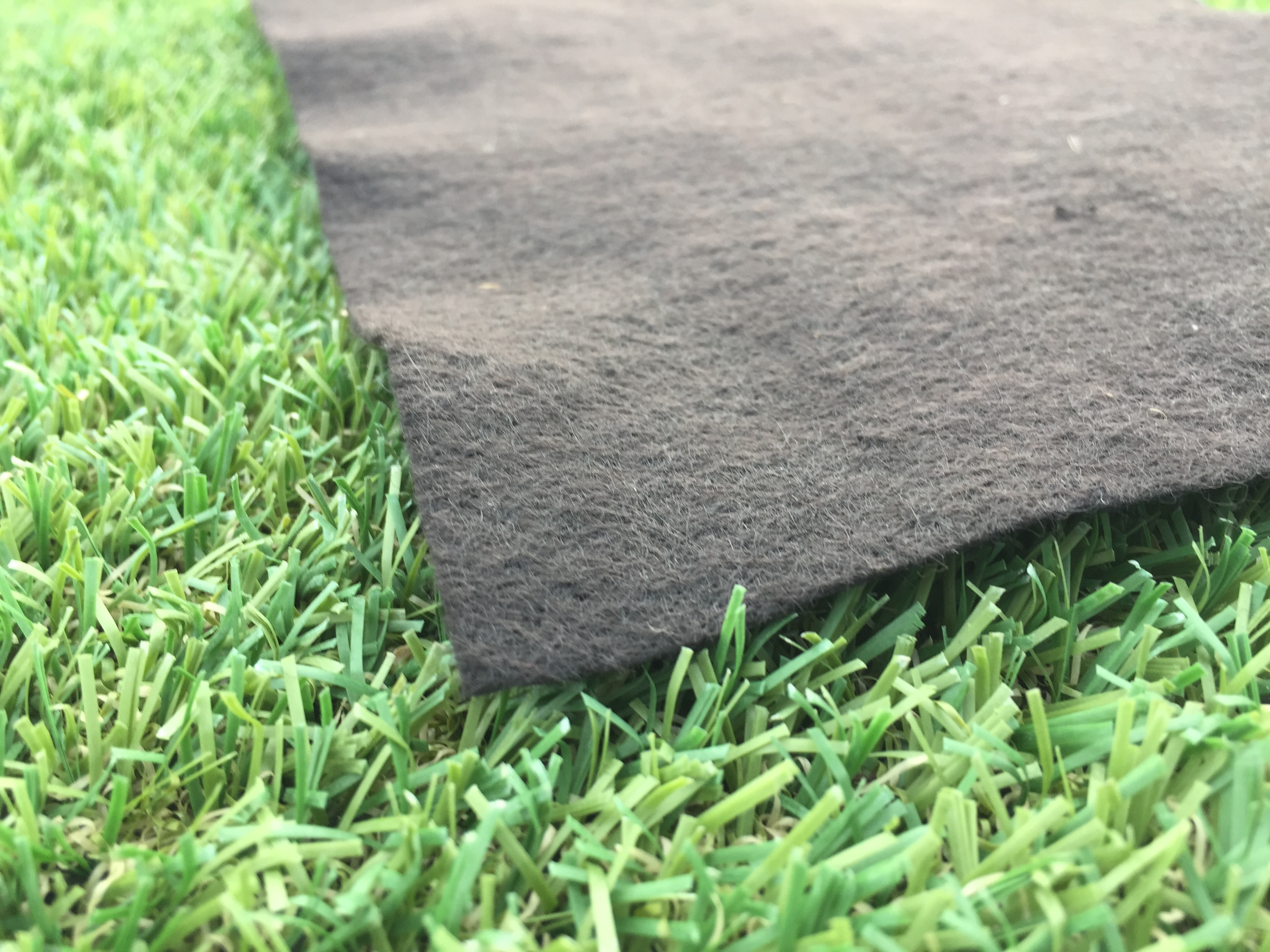
Unlike traditional petroleum-based geotextiles, PLA geotextile is made from polylactic acid, a bio-based polymer derived from renewable agricultural resources such as corn starch and sugarcane. This gives the material clear environmental advantages while still maintaining the functional requirements needed for specific engineering applications.
What Is PLA Geotextile?
PLA geotextile is a biodegradable geotextile made from polylactic acid fibers, typically produced through nonwoven needle-punching or thermal bonding processes. It is designed to provide temporary or medium-term engineering functions such as soil stabilization, separation, filtration, and protection.
Its key feature is that it can gradually degrade under specific natural conditions, such as moisture, temperature changes, and microbial activity. This makes it particularly suitable for ecological and environmentally sensitive engineering projects where long-term material persistence is not required.
Main characteristics include:
● Eco-friendly material derived from renewable biological resources
● Biodegradable under specific environmental conditions
● Provides basic strength required for temporary engineering applications
● Lightweight structure with good permeability and filtration performance
● No need for manual removal after its service life ends
Why Is PLA Geotextile Gaining Attention in Environmental Engineering?
With the growing global focus on sustainability in construction, PLA geotextile is becoming an important material in ecological engineering due to its environmental advantages.
Reducing long-term environmental impact from construction materials
In many traditional engineering projects, materials can remain in the soil for decades after use, creating long-term environmental burdens. PLA geotextile helps solve this issue.
● Gradually decomposes into natural substances after use
● Reduces the need for manual removal and disposal
● Minimizes disturbance to surrounding ecosystems
This makes it especially suitable for environmentally sensitive areas.
Supporting renewable resource systems
PLA is derived from renewable agricultural resources, giving it a strong sustainability advantage at the production stage.
● Made from corn, sugarcane, and other plant-based materials
● Reduces dependence on fossil fuel-based polymers
● Supports the development of green material industries
This production model aligns with global low-carbon development goals.
Manufacturing Process of PLA Geotextile
The production process of PLA geotextile is similar to conventional geotextiles but focuses more on bio-based material processing and controlled degradation performance.
PLA fiber formation process
PLA pellets are melted under controlled temperature conditions and stretched into continuous fibers.
● Ensures uniform fiber structure and stability
● Maintains molecular properties required for biodegradability
● Provides raw fibers for subsequent fabric formation
Nonwoven fabric formation
Most PLA geotextiles are produced using nonwoven technology to achieve flexibility and permeability.
● Needle-punching creates an interlocked fiber structure
● Thermal bonding can enhance strength and stability
● Forms a porous structure suitable for filtration and drainage
Post-treatment and performance adjustment
Depending on project requirements, additional processing may be applied.
● Adjusts degradation rate according to project duration
● Improves initial strength for installation and construction
● Enhances structural uniformity for better engineering performance
Where Is PLA Geotextile Used?
PLA geotextile is mainly used in temporary and environmentally sensitive engineering projects rather than long-term structural applications.
Temporary construction and soil stabilization
PLA geotextile is commonly used during construction phases to provide temporary soil support.
● Maintains soil stability during construction work
● Supports foundation preparation before permanent structures are built
● Naturally degrades after the project is completed
Ecological restoration and environmental protection projects
It is widely used in ecological restoration to control erosion and support vegetation growth.
● Reduces soil loss caused by rainfall and surface runoff
● Supports early-stage plant growth and recovery
● Gradually decomposes as the ecosystem stabilizes
Agricultural and planting applications
PLA geotextile is also used in agricultural environments where short-term support is needed.
● Helps maintain soil moisture and temperature stability
● Supports early crop growth stages
● Eliminates the need for removal after crop cycles
Green infrastructure and sustainable engineering
With the rise of sustainable construction practices, PLA materials are being used in green infrastructure projects.
● Reduces environmental impact during construction
● Supports low-impact engineering methods
● Aligns with green building and carbon reduction goals
Development Trends of PLA Geotextile
With increasing environmental regulations and sustainability requirements, the use of PLA geotextile is expanding.
● Growing adoption of biodegradable materials in construction
● Expansion of ecological restoration projects worldwide
● Rising demand for low-carbon engineering solutions
● Increasing focus on sustainable infrastructure development
● Continuous advancement in bio-based material technology
These trends are driving wider research and application of PLA-based engineering materials.
Usage Characteristics and Engineering Suitability
The application of PLA geotextile is mainly defined by its lifecycle characteristics, making it suitable for carefully planned engineering scenarios.
● Designed for short- to medium-term engineering support
● Provides stable performance during its functional period
● Gradually returns to the natural environment after use
● Ideal for environmentally sensitive construction projects
Conclusion
PLA geotextile is a bio-based biodegradable material that provides an environmentally friendly solution for modern civil engineering. By naturally decomposing after its service life, it significantly reduces long-term environmental impact while still delivering the necessary functional performance during temporary applications.
As global infrastructure continues to move toward green and low-carbon development, PLA geotextile is expected to play an increasingly important role in ecological restoration, temporary construction, and environmentally sensitive engineering projects.
FAQ
1、How is PLA geotextile manufactured?
PLA geotextile is produced from polylactic acid fibers using nonwoven needle-punching or thermal bonding processes to create an engineered fabric with filtration and stabilization functions.
2、What is the main use of PLA geotextile?
It is mainly used for temporary soil stabilization, ecological restoration, agricultural applications, and environmentally friendly construction projects.
3、Does PLA geotextile have a long-term environmental impact?
No, it gradually degrades into natural substances under specific environmental conditions, reducing long-term environmental impact.
4、What types of projects are suitable for PLA geotextile?
It is suitable for short-term and eco-friendly projects such as slope restoration, temporary reinforcement, and environmental protection engineering.
Post time: Jun-01-2026