
In modern construction and civil engineering, geotextile fabric has become an essential material for improving project durability, efficiency, and sustainability. Whether it’s for road construction, erosion control, or drainage systems, understanding the advantages of geotextile fabric helps businesses make informed decisions that reduce costs and extend the lifespan of infrastructure.
Geotextiles are permeable fabrics made from synthetic materials such as polyester or polypropylene. They are designed to perform key functions including soil stabilization, filtration, separation, and reinforcement. By incorporating geotextile fabric into construction projects, companies can achieve long-term performance while minimizing environmental impact.
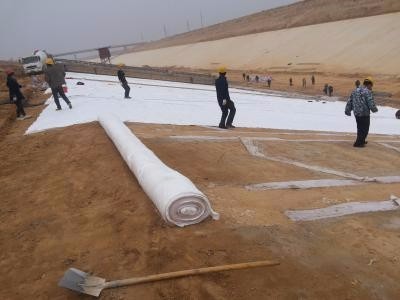
Soil Stabilization and Reinforcement
One of the primary benefits of geotextile fabric is its ability to stabilize and reinforce soil. Weak or loose soil can cause structural failures if not properly managed, especially under heavy loads.
● Load Distribution: Geotextiles evenly distribute weight across the soil surface, reducing the risk of rutting and settlement.
● Increased Soil Strength: By binding soil particles together, geotextiles enhance load-bearing capacity, making it suitable for highways, railways, and industrial sites.
● Reduced Maintenance: Reinforced soil structures require less frequent repair, lowering long-term operational costs.
Erosion Control
Erosion is a common challenge in construction, particularly on slopes, riverbanks, and coastal areas. Geotextile fabrics provide effective erosion protection:
● Soil Retention: Geotextiles hold soil in place while allowing water to pass through, preventing washouts.
● Vegetation Support: They promote vegetation growth by protecting seeds and seedlings, which further stabilizes the soil.
● Environmental Benefits: By reducing sediment runoff, geotextiles protect surrounding ecosystems and waterways from pollution.
Filtration and Drainage
Efficient drainage is critical for infrastructure longevity, and geotextile fabric offers excellent filtration properties:
● Water Permeability: Geotextiles allow water to flow through while preventing soil or fine particles from clogging drainage systems.
● Foundation Protection: They prevent soil migration under roads and pavements, protecting the foundation from weakening.
● Versatile Applications: Geotextiles are used in retaining walls, stormwater management, and landfill liners to maintain proper drainage.
Separation of Soil Layers
In layered construction, geotextiles act as barriers that separate different soil and aggregate layers. This ensures each layer retains its intended function:
● Prevent Intermixing: Subgrade and aggregate layers remain distinct, preserving load-bearing capacity.
● Extended Pavement Life: Separation reduces deformation and settlement, extending the durability of roads and airstrips.
● Cost Efficiency: Preventing soil intermixing reduces maintenance requirements and repair costs.
Cost-Effectiveness and Sustainability
Investing in geotextile fabric can provide long-term financial and environmental benefits:
● Reduced Maintenance Costs: Reinforced structures require fewer repairs and last longer, decreasing total project expenditure.
● Sustainable Construction: Many geotextiles are made from recyclable synthetic materials, supporting eco-friendly building practices.
● Energy and Resource Savings: By minimizing soil erosion and structural failure, geotextiles reduce the need for additional raw materials.
Versatility Across Applications
Geotextile fabric is suitable for a wide range of projects, making it a highly adaptable solution:
● Roadways and Pavements: Reinforces subgrade and prevents aggregate contamination.
● Railways: Stabilizes ballast layers and reduces track maintenance.
● Coastal Protection and Slopes: Controls erosion and promotes vegetation growth.
● Drainage Systems: Enhances water flow while filtering sediment.
Durability and Longevity
High-quality geotextiles are designed to withstand environmental and mechanical stress:
● Chemical Resistance: Resistant to acids, alkalis, and other common soil chemicals.
● UV and Weather Resistance: Maintains structural integrity under sun, rain, or snow exposure.
● Long-Term Performance: Durable fabrics can last decades, reducing the need for replacement and ensuring reliable performance.
Conclusion
Understanding what are the advantages of geotextile fabric is crucial for businesses involved in construction and civil engineering. Geotextiles stabilize soil, control erosion, enhance drainage, separate layers, and provide sustainable, cost-effective solutions. They improve structural integrity, reduce maintenance costs, and support environmentally friendly construction practices. By incorporating geotextile fabric, companies can ensure their projects are resilient, efficient, and long-lasting.
FAQ
Q1: What types of geotextile fabric are available?
A1: Geotextiles are generally classified as woven, non-woven, or knitted. Woven fabrics offer high tensile strength, while non-woven fabrics excel in filtration and drainage.
Q2: Can geotextile fabric be used for both small and large construction projects?
A2: Yes, geotextiles are highly versatile and suitable for applications ranging from residential drainage projects to highways, railways, and large-scale erosion control.
Q3: How does geotextile fabric improve sustainability in construction?
A3: By preventing soil erosion, reducing material usage, and being made from recyclable synthetic materials, geotextiles help minimize environmental impact.
Q4: Is geotextile fabric cost-effective for long-term infrastructure maintenance?
A4: Absolutely. While there is an upfront cost, geotextiles reduce repair and maintenance needs, making them a financially sound investment over time.
Post time: Feb-09-2026