
PLA nonwoven spunbond fabrics are gaining attention in industries that are shifting toward biodegradable and eco-friendly materials. These fabrics combine performance with sustainability in a way that traditional petroleum-based textiles cannot match. As global regulations tighten and consumer demand changes, PLA-based nonwovens are becoming an important material choice.
Understanding how they are made, where they are used, and what benefits they offer helps buyers and manufacturers make better material decisions for long-term development.
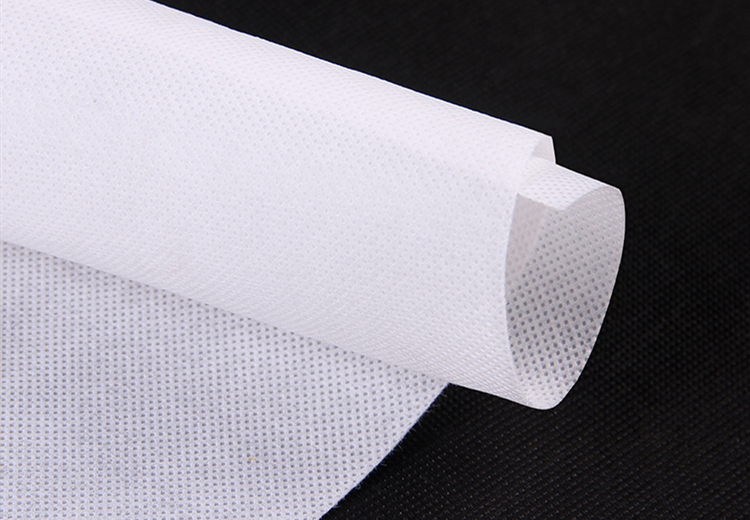
What PLA Nonwoven Spunbond Fabric Actually Is
PLA stands for Polylactic Acid, a biodegradable polymer derived from renewable resources such as corn starch or sugarcane. Unlike conventional plastics, PLA breaks down under industrial composting conditions, making it a preferred option for environmentally responsible production.
Spunbond nonwoven fabric refers to a manufacturing process where polymer filaments are extruded, spun into continuous fibers, and then bonded together using heat and pressure without weaving or knitting. When PLA is used in this process, the result is a lightweight, breathable, and biodegradable fabric with stable mechanical strength.
This combination makes PLA spunbond nonwoven fabrics suitable for applications where both functionality and environmental responsibility are required.
How PLA Spunbond Nonwoven Fabrics Are Manufactured
The production process of PLA spunbond fabrics is designed to ensure consistency, strength, and scalability for industrial use. It typically involves several controlled stages, each contributing to the final material performance.
The key production steps include:
● Polymer preparation: PLA resin is melted and prepared under controlled temperature conditions to ensure uniform flow and stability
● Fiber extrusion: The molten PLA is extruded through spinnerets to form continuous filaments
● Web formation: These filaments are laid randomly on a conveyor to form a fibrous web structure
● Thermal bonding: Heat and pressure are applied to bond the fibers without adhesives or chemical binders
● Cooling and finishing: The bonded fabric is cooled, treated, and rolled into finished material for distribution
This process eliminates the need for weaving or knitting, which reduces production complexity and cost while maintaining consistent material quality.
Key Performance Characteristics of PLA Nonwoven Spunbond Fabrics
PLA spunbond fabrics are widely used because they balance environmental benefits with practical performance. While they are biodegradable, they still provide sufficient strength and usability for many industrial and consumer applications.
Their core characteristics include durability under normal conditions, good breathability, and a soft texture compared to many synthetic nonwovens. They also offer excellent moisture management and are suitable for applications requiring hygiene or filtration properties.
To better understand their advantages, here are some commonly recognized performance features:
● Biodegradability under industrial composting environments, reducing long-term environmental impact
● Lightweight structure that makes handling, transportation, and processing easier for manufacturers
● Stable tensile strength suitable for packaging, agricultural, and hygiene-related applications
● Good air permeability, allowing use in breathable materials such as medical or protective products
● Compatibility with thermal bonding processes, eliminating the need for chemical adhesives
● Derived from renewable plant-based sources, reducing dependence on fossil fuels
These features make PLA nonwoven spunbond fabrics a strong candidate for industries transitioning toward sustainable material systems.
Common Applications Across Industries
PLA spunbond nonwoven fabrics are used in a wide range of industries due to their adaptability and eco-friendly nature. Their application scope continues to expand as sustainability requirements increase globally.
In the medical and hygiene sector, they are used for disposable gowns, masks, and sanitary products where cleanliness and biodegradability are important. In agriculture, they are applied as crop covers or mulch fabrics that help regulate soil conditions while naturally degrading over time.
They are also used in packaging materials, especially for eco-friendly bags and protective wrapping. Some industrial applications include filtration layers and disposable protective covers, where single-use functionality is preferred.
Why PLA Spunbond Fabrics Are Replacing Conventional Nonwovens
Traditional nonwoven fabrics are often made from polypropylene or polyester, both of which are petroleum-based and non-biodegradable. While these materials are cost-effective and widely used, they contribute significantly to long-term environmental pollution.
PLA nonwoven spunbond fabrics offer a sustainable alternative without completely sacrificing performance. The shift toward PLA is driven by both environmental regulations and market demand for greener materials.
The transition is also influenced by corporate sustainability goals, as more companies seek to reduce carbon footprints and adopt circular material systems. PLA fabrics help bridge the gap between industrial performance and environmental responsibility.
Advantages and Limitations in Real-World Use
While PLA spunbond fabrics offer many benefits, they also have limitations that buyers and manufacturers should understand for proper application planning. Their performance depends heavily on environmental conditions and usage scenarios.
Advantages include sustainability, ease of processing, and compatibility with existing nonwoven production lines. However, PLA materials may have lower heat resistance compared to some synthetic alternatives, which can limit their use in high-temperature environments. They may also require controlled composting facilities for proper biodegradation rather than breaking down in natural environments.
Despite these limitations, ongoing material innovation continues to improve their durability and thermal resistance, expanding their industrial usability.
Market Trends and Future Development
The global demand for biodegradable materials is increasing rapidly, and PLA nonwoven spunbond fabrics are positioned as a key material in this transition. Governments in multiple regions are implementing stricter plastic reduction policies, encouraging industries to adopt bio-based alternatives.
Research and development efforts are focused on improving PLA fiber strength, reducing production costs, and enhancing heat resistance. At the same time, large-scale manufacturing capabilities are expanding, making PLA fabrics more accessible to global buyers.
As technology evolves, PLA spunbond fabrics are expected to move beyond niche applications and become a mainstream material in packaging, hygiene, and agricultural industries.
FAQ:
1. Are PLA nonwoven spunbond fabrics fully biodegradable?
Yes, PLA fabrics are biodegradable under industrial composting conditions. However, they require specific temperature and humidity environments to decompose effectively, rather than breaking down quickly in natural surroundings.
2. What is the main raw material used in PLA spunbond fabrics?
The primary raw material is polylactic acid (PLA), which is derived from renewable plant sources such as corn starch or sugarcane, making it a bio-based alternative to petroleum plastics.
3. Can PLA nonwoven fabrics replace polypropylene nonwovens completely?
In many applications they can serve as a replacement, especially in disposable, hygiene, and agricultural uses. However, for high-temperature or heavy-duty industrial environments, polypropylene may still be preferred.
4. What industries benefit most from PLA spunbond nonwoven materials?
Industries such as medical hygiene, agriculture, packaging, and environmentally focused consumer goods benefit the most due to PLA’s balance of performance and biodegradability.
Conclusion
PLA nonwoven spunbond fabrics represent a significant step forward in sustainable material development. They combine renewable sourcing with practical manufacturing performance, making them suitable for a wide range of industries seeking eco-friendly alternatives.
As environmental standards continue to evolve, these materials are expected to play a larger role in reshaping how disposable and semi-durable products are designed and produced, supporting both industrial efficiency and environmental responsibility.
Post time: Jun-05-2026