
Geotextiles are widely used in road construction, drainage systems, ground stabilization, and erosion control. However, not all geotextile products perform the same function. Differences in manufacturing structure affect how water passes through the fabric, how soil particles are retained, and how the material responds to tension during construction.
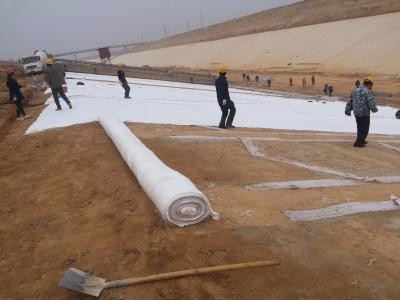
Understanding the main Types of Geotextiles is therefore important when selecting materials for civil engineering projects. Choosing a product based only on its name or general application can lead to poor performance. The more practical approach is to understand how each fabric structure works and match it with the function required by the project.
What Are the Main Types of Geotextiles?
Geotextiles are generally classified according to how their fibers or yarns are arranged and bonded. The two main categories used in many construction applications are woven and nonwoven geotextiles.
|
Geotextile Type |
Manufacturing Structure |
Main Characteristics |
Common Applications |
| Woven geotextile | Yarns or tapes are interlaced in a regular pattern | Generally offers tensile strength and dimensional stability | Soil reinforcement, separation, road construction |
| Needle-punched nonwoven geotextile | Fibers are mechanically entangled through needle punching | Flexible structure with useful filtration and drainage characteristics | Drainage, filtration, separation, protection |
| Heat-bonded nonwoven geotextile | Fibers are bonded through heat | More compact surface structure, depending on product design | Filtration and selected separation applications |
These categories are not interchangeable. Each has different structural characteristics, so the appropriate choice depends on the engineering function and the conditions under which the material will be installed. Woven and nonwoven geotextiles are the most important categories to understand when comparing products for general civil engineering applications.
Woven Geotextiles: When Tensile Strength Matters
Woven geotextiles are produced by interlacing yarns or polymer tapes in a regular pattern. This creates a structured fabric with properties that can be useful when a project requires tensile strength and dimensional stability.
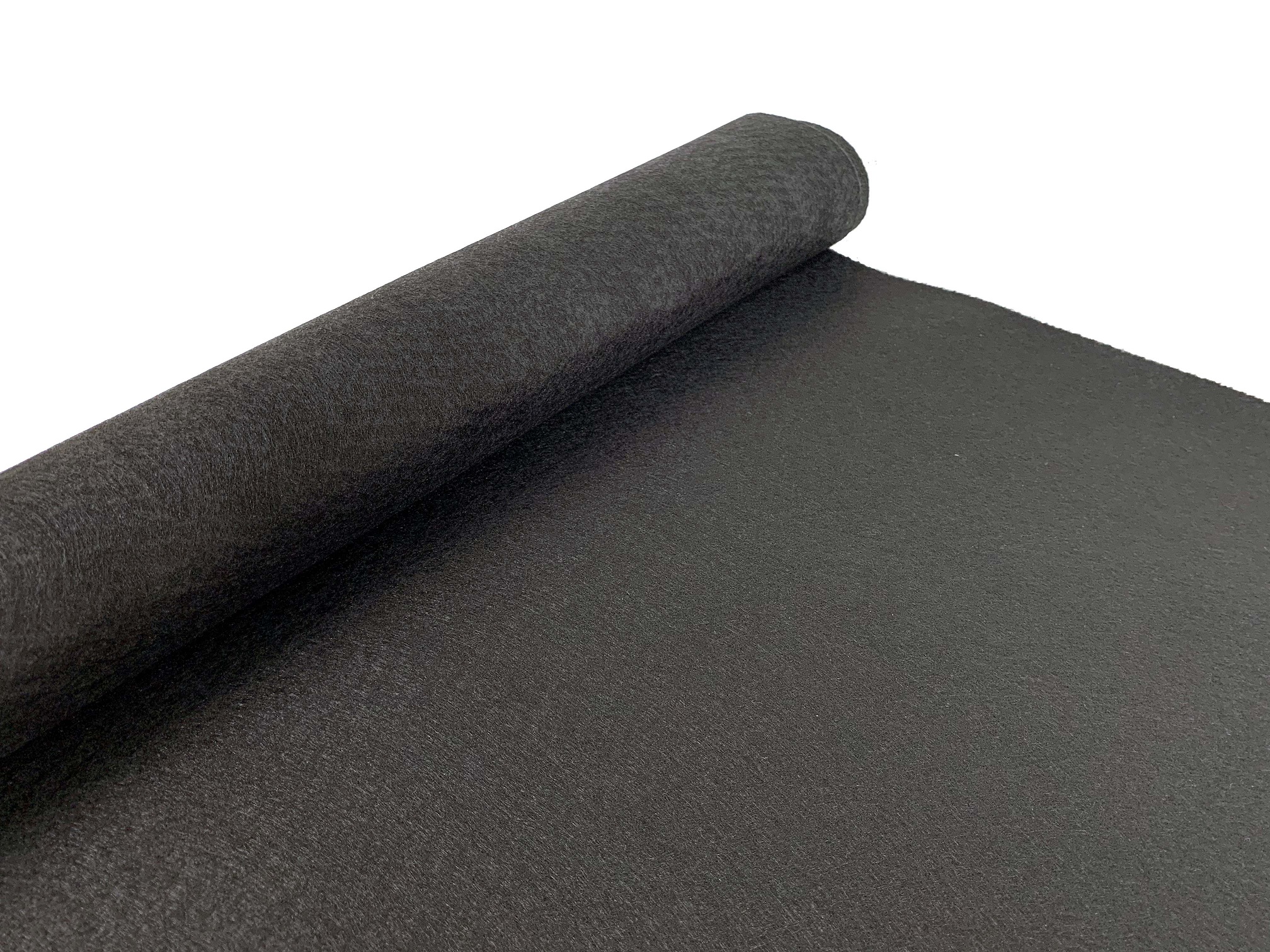
One important application is soil reinforcement. In areas where the ground needs additional support, woven geotextiles can help distribute loads and limit lateral soil movement when incorporated into an appropriate engineering design.
They are also used in separation applications. For example, in road construction, a geotextile layer may be installed between the subgrade and aggregate base. Its role is to help prevent the two layers from mixing under construction and traffic loads, preserving the intended structure of the road base.
However, tensile strength alone does not determine whether a woven product is suitable. The opening size and permeability of the fabric also matter, particularly when water movement and soil retention are important.
Woven geotextiles are worth considering when a project places significant emphasis on tensile performance, load distribution, or maintaining separation between material layers. The product must still meet the specific design requirements of the project.
Nonwoven Geotextiles: When Filtration and Drainage Are Required
Among the different Types of Geotextiles, nonwoven geotextiles are particularly suitable for applications requiring filtration, drainage, and protection. They are made by arranging fibers into a web and bonding them through mechanical, thermal, or other manufacturing processes. Needle-punched nonwoven geotextiles are commonly used in civil engineering because their porous structure supports these functions.
Filtration is one of their key applications. A nonwoven geotextile can allow water to pass through while retaining soil particles, helping reduce soil movement into drainage materials. This is useful in applications such as retaining wall drainage, underground drainage systems, and drainage layers around pipelines.
Nonwoven geotextiles can also provide cushioning and protection. When placed between a geomembrane and surrounding materials, a suitable geotextile can help reduce the risk of localized damage caused by contact with rough surfaces or sharp particles.
Their flexibility makes them practical for installation around irregular surfaces and construction features. However, the fabric still needs to have suitable filtration and mechanical properties for the intended application. A material that allows water to pass through too easily without retaining the required soil particles may not perform as intended.
When comparing different Types of Geotextiles for projects involving filtration, drainage, or protective layers, nonwoven products are often an important option to evaluate. Their suitability should be determined by the soil conditions, water flow requirements, and expected construction loads.
How Fabric Structure Affects Construction Performance
The difference between woven and nonwoven geotextiles is not simply their appearance. Their structures influence how they perform under different engineering conditions. Consider three common project requirements:
Load distribution and reinforcement
When a project requires tensile support or load distribution, the strength and deformation behavior of the geotextile become important. Woven products are often considered for these requirements, but the final decision should be based on engineering calculations and the expected loading conditions.
Water movement and soil retention
Drainage systems need to move water without allowing excessive soil particles to enter and block the drainage layer. Nonwoven geotextiles are frequently used for this purpose. Their permeability and filtration characteristics should be evaluated together rather than treating water flow as the only requirement.
Protection of adjacent materials
Geotextiles may be installed alongside geomembranes, pipes, or other construction materials. In these situations, the fabric needs to provide suitable cushioning and resistance to installation-related damage. A flexible nonwoven product may be appropriate, depending on the contact conditions and protection requirements.
These examples show why selecting among the Types of Geotextiles requires more than comparing product categories. The actual engineering function determines which structural properties matter most.
What Can Happen When the Wrong Geotextile Is Used?
Using an unsuitable geotextile may affect the performance of the entire construction system. The consequences are not always visible immediately after installation.
- Inadequate separation: If the material cannot maintain separation under construction loads, soil and aggregate may mix. This can weaken the intended road-base structure and increase maintenance requirements.
- Poor filtration: If the fabric does not retain the required soil particles, fine materials may enter drainage layers or pipes. This can reduce drainage efficiency over time.
- Insufficient mechanical performance: A geotextile that cannot withstand the expected installation or service loads may tear, stretch excessively, or lose its intended position.
- Inadequate protection: When used around geomembranes or other sensitive materials, an unsuitable fabric may not provide enough cushioning against puncture or localized pressure.
These problems demonstrate why a product should be selected according to its intended function rather than simply choosing the most commonly used type. The correct material can help the construction system perform as designed, while an unsuitable one may introduce problems that are difficult and expensive to correct after installation.
What Should You Check Before Selecting a Geotextile?
Before purchasing a geotextile, project owners, contractors, and material distributors should identify the requirements that directly affect product performance.
The following information is useful when discussing a product with a supplier:
- Engineering function: Clarify whether the material is intended for separation, filtration, drainage, reinforcement, or protection.
- Mechanical requirements: Consider tensile strength, elongation, puncture resistance, and installation conditions where relevant.
- Hydraulic requirements: For filtration and drainage applications, review permeability and the ability to retain soil particles.
- Project conditions: Provide information about the installation environment, adjacent materials, and expected construction loads.
- Product specifications: Confirm the required material type, dimensions, and applicable project standards before ordering.
For projects with specific engineering requirements, product selection should follow the design specifications prepared by qualified professionals. Comparing technical data and reviewing samples can help confirm whether a product is suitable before procurement.
Finding Suitable Geotextile Products for Different Projects
Different construction projects require different combinations of filtration, tensile strength, drainage, and protection. Vinner offers geotextile fabric options including PET and PP needle-punched products. For projects requiring nonwoven geotextiles, the intended application, engineering requirements, and installation conditions can help determine the appropriate material specifications. Sharing these details when discussing Types of Geotextiles makes it easier to identify relevant product options and evaluate their suitability before a project moves forward.
Conclusion
The main Types of Geotextiles differ in their manufacturing structures and engineering functions. Woven geotextiles are commonly considered where tensile strength and dimensional stability are important, while nonwoven geotextiles are widely used for filtration, drainage, separation, and protection. Understanding these differences helps project teams avoid unsuitable material choices and select products that support the intended construction performance.
FAQ
Q1: Are woven and nonwoven geotextiles interchangeable?
No. They have different structural characteristics and are designed to meet different engineering requirements. The selection should be based on the intended function and project specifications.
Q2: Which type of geotextile is commonly used for drainage?
Nonwoven geotextiles, particularly suitable needle-punched products, are commonly used in drainage applications because they can combine water flow with soil filtration. The required permeability and soil retention properties still need to be checked.
Q3: Can one geotextile product perform more than one function?
Yes. A geotextile may provide separation, filtration, or protection in the same application. However, its suitability for each function should be confirmed against the project’s technical requirements.
Post time: Nov-16-2026