
Water trapped behind a retaining wall can increase pressure, weaken the backfill, and affect the stability of the structure. Geotextile fabric for retaining wall drainage helps solve this problem by separating soil from drainage gravel while allowing water to pass into the drainage system.
Used together with clean aggregate and a perforated pipe, geotextile fabric helps keep fine soil out of the drainage layer and supports more reliable water movement over time.
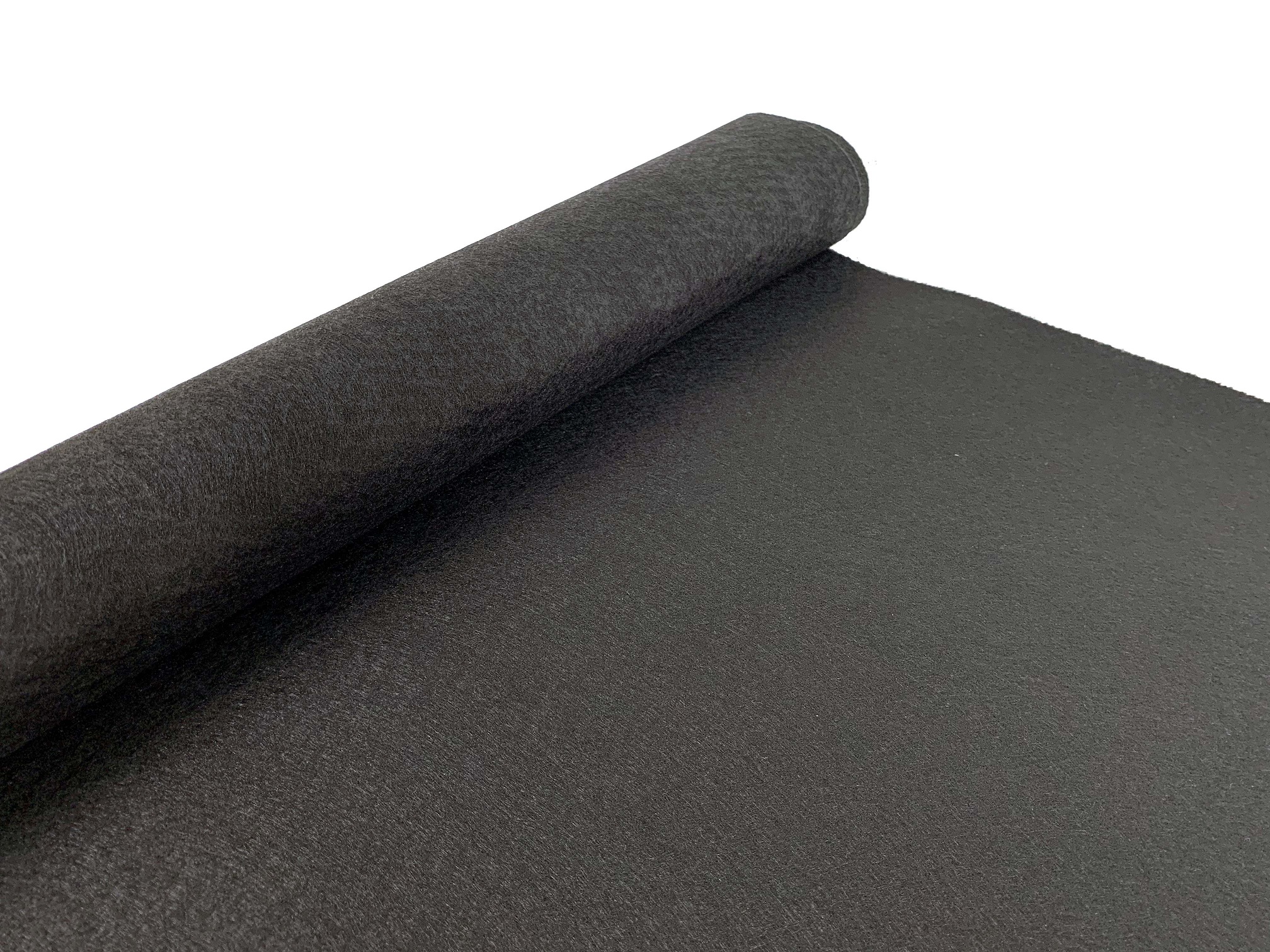
Why Retaining Walls Need Drainage
Rainwater, irrigation water, and groundwater naturally move through the soil behind a retaining wall. If there is no clear drainage route, moisture may collect against the structure.
Over time, this can lead to:
- Increased water pressure behind the wall
- Wet or unstable backfill
- Soil washing through wall joints
- Mud entering the gravel layer
- Sediment collecting around the drainpipe
- Wall movement, bulging, or settlement
A typical drainage system uses gravel and a perforated pipe to collect and discharge water. Geotextile fabric protects these materials from soil contamination.
How Geotextile Fabric Supports Drainage
Geotextile fabric performs two main functions behind a retaining wall.
Soil Filtration
The fabric allows water to move from the soil into the gravel while helping retain fine particles. This reduces the amount of mud and sediment entering the drainage layer.
Material Separation
The fabric keeps the surrounding soil separate from the clean drainage aggregate. Without this layer, soil can gradually fill the open spaces between the stones and reduce water flow.
By maintaining a cleaner gravel layer, geotextile fabric helps the drainage system continue working more effectively.
Why Gravel Alone Is Not Enough
Clean gravel contains open spaces that allow water to move toward the drainpipe. However, fine soil can migrate into these spaces during rainfall or irrigation.
As the gravel becomes mixed with soil:
- Drainage becomes slower
- Water remains behind the wall for longer
- Mud may reach the perforated pipe
- The effective gravel layer becomes thinner
- Maintenance becomes more difficult
Simply adding more gravel does not prevent this mixing. A suitable geotextile layer is needed to preserve the separation between soil and aggregate.
Where Should Geotextile Fabric Be Installed?
Geotextile fabric is normally placed between the soil backfill and the drainage gravel.
A common retaining wall drainage structure includes:
- Retaining wall
- Clean drainage gravel
- Perforated drainpipe near the base
- Geotextile fabric separating gravel from soil
- Compacted backfill
The fabric may line the back and sides of the gravel zone. In some systems, it is folded over the top of the aggregate to reduce soil entering from above.
The most important point is continuity. Gaps between fabric sections can allow soil to enter the drainage layer.
Protecting the Perforated Drainpipe
The drainpipe collects water from the gravel and carries it toward an outlet. If sediment reaches the pipe, it may enter through the perforations and reduce flow.
Geotextile fabric helps protect the pipe indirectly by keeping the surrounding gravel cleaner.
The pipe should still be installed with:
- A continuous slope toward the outlet
- Sufficient gravel around the pipe
- An open and accessible discharge point
- Proper positioning near the base of the wall
- Protection against crushing during backfilling
Geotextile improves filtration, but it cannot correct an incorrectly installed or blocked drainpipe.
Woven or Nonwoven Geotextile?
Both woven and nonwoven geotextiles can be used in ground projects, but they have different structures.
Nonwoven Geotextile
Nonwoven fabric has a fibrous structure and is commonly used where filtration and drainage are important. Water can pass through the material while fine soil is held back.
It is often suitable for:
- Retaining wall drainage
- French drains
- Landscape drainage
- Gravel filtration layers
- Drainpipe protection
Woven Geotextile
Woven fabric has an interlaced structure and is often used where soil separation and ground stability are the main priorities.
It may be suitable when the project requires:
- Strong layer separation
- Support over weaker ground
- Reduced mixing between soil and aggregate
- Greater resistance during installation
The choice depends on the soil type, water flow, gravel size, installation conditions, and wall design. The material should be selected according to the function required rather than appearance alone.
Important Installation Details
Correct installation helps the fabric perform as intended.
Prepare the Area
Remove sharp debris, roots, and loose material before laying the fabric. The surface should be reasonably even.
Overlap Fabric Sections
Adjacent rolls should overlap so that no soil is exposed between them. Corners and changes in wall direction require particular attention.
Avoid Severe Wrinkles
The fabric should follow the prepared surface and remain relatively flat. Large folds may affect gravel placement and create weak areas.
Place Gravel Carefully
Aggregate should not be dropped from excessive height. Sharp stones and heavy equipment may damage or move exposed fabric.
Cover the Top of the Gravel
Folding the fabric over the top of the drainage gravel can reduce soil entering during backfilling.
Keep the Outlet Clear
The fabric must not block the pipe outlet or interfere with the direction of water flow.
Suitable Applications
Geotextile fabric can support drainage behind different types of retaining structures, including:
- Residential retaining walls
- Garden walls
- Raised planting beds
- Landscape terraces
- Roadside walls
- Parking area walls
- Commercial landscape projects
- Slope protection structures
Although the size of each project differs, the purpose remains the same: allowing water to escape while keeping soil out of the drainage layer.
Vinner Geotextile Fabric Solutions
Vinner provides geotextile fabrics for retaining wall drainage, filtration, soil separation, landscape construction, gravel bases, and ground protection.
The product range includes needle-punched geotextiles and other functional fabrics that can be matched to different soil and drainage conditions.
Consistent fabric structure, water permeability, filtration performance, and handling strength help the material remain practical during installation and long-term use.
Vinner geotextile fabrics can also be used in French drains, road construction, pond liner protection, landscape drainage, and other projects where soil and aggregate need to remain separated.
Conclusion
A reliable retaining wall drainage system needs clean gravel, a correctly installed drainpipe, and a clear outlet. Geotextile fabric helps protect this system by filtering fine soil and keeping it separate from the drainage aggregate.
When properly installed, geotextile fabric for retaining wall drainage helps maintain water flow, reduce sediment around the pipe, and limit pressure behind the structure.
The suitable fabric should match the soil, drainage requirements, gravel layer, and installation conditions of the project.
FAQ
1. What does geotextile fabric do behind a retaining wall?
It allows water to pass into the drainage layer while helping prevent soil from entering the gravel and drainpipe.
2. Where is geotextile fabric placed?
It is generally installed between the soil backfill and the drainage gravel. It may also wrap around or cover the gravel layer.
3. Can plastic sheeting replace geotextile fabric?
No. Plastic blocks water, while geotextile fabric is designed to support water movement and soil filtration.
4. Is nonwoven geotextile suitable for retaining wall drainage?
Yes. Nonwoven geotextile is commonly used because its fibrous structure supports filtration and drainage.
Post time: Aug-05-2026