
A pond liner may provide the waterproof barrier, but its long-term performance depends heavily on the surface beneath it. Even when the ground has been cleared and leveled, small stones, roots, hard soil points, and construction debris may remain. Once the pond is filled, the weight of the water presses the liner against these irregular surfaces, increasing the risk of wear or puncture.
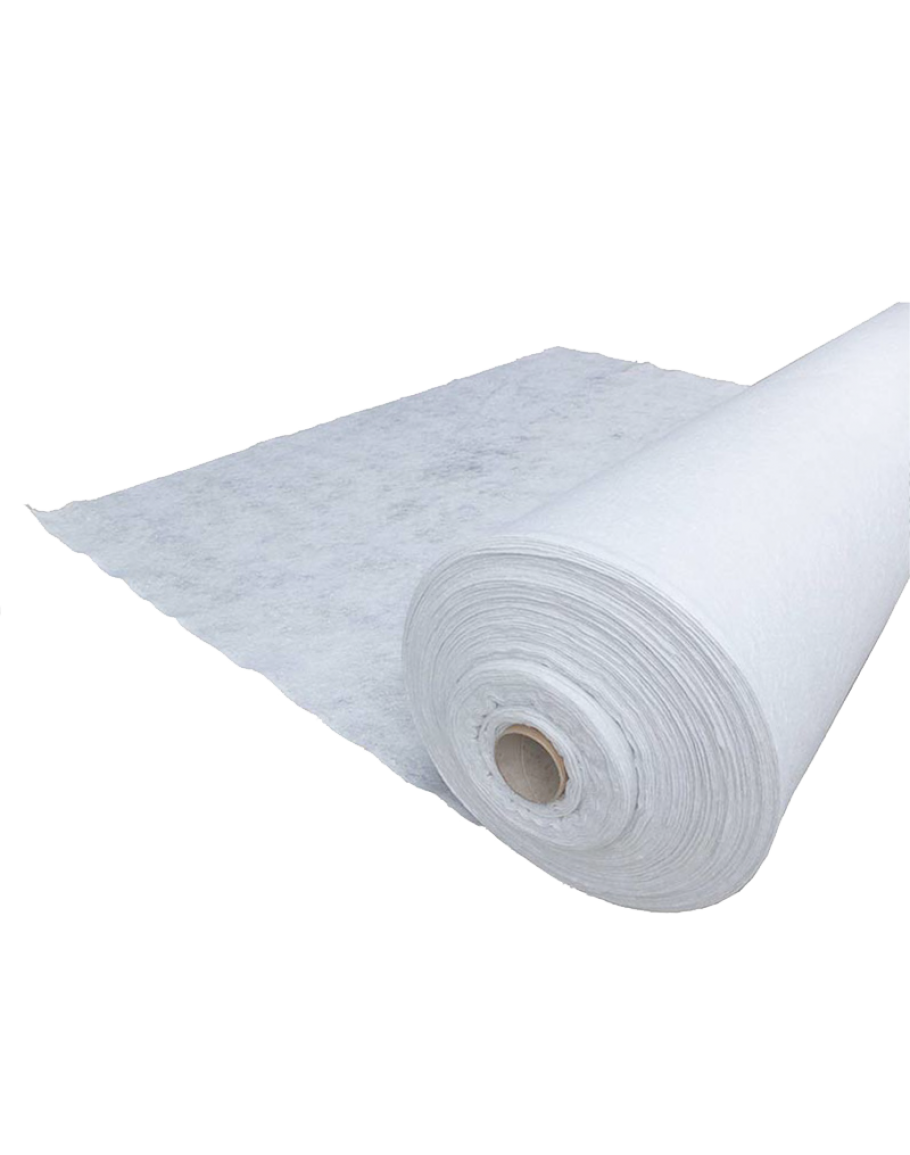
Placing geotextile fabric beneath the liner creates a protective layer between the membrane and the ground. It helps distribute pressure, reduce direct contact with sharp objects, and provide a smoother base for installation. In some projects, geotextile fabric is also placed above the liner to protect it from gravel, decorative stones, soil, or maintenance activity.
This additional layer may appear simple, but it can make an important difference to the reliability of the whole pond system.
Waterproofing Alone Is Not Enough
Pond liners are commonly made from materials such as PVC, HDPE, EPDM, or other waterproof membranes. Their job is to hold water and prevent leakage. However, even a high-quality liner can be damaged if it is installed directly over an unsuitable base.
Typical site conditions may include:
- Small stones hidden in the soil
- Roots that were not fully removed
- Uneven or compacted ground
- Sharp gravel near slopes and edges
- Debris left during construction
- Local pressure points around corners
These problems may not cause immediate failure. In many cases, damage develops gradually as water pressure, ground settlement, and temperature changes act on the liner over time.
Geotextile fabric does not replace proper site preparation, but it adds an extra level of protection where the ground cannot be made completely smooth.
A Cushion Between the Ground and the Liner
The main purpose of geotextile fabric in pond construction is to provide cushioning. Its fibrous structure creates a softer contact surface beneath the membrane and helps spread pressure over a wider area.
This can reduce the effect of stones, roots, and uneven soil on the liner. It also makes installation more forgiving, especially when the pond includes slopes, planting shelves, curved edges, or irregular shapes.
Under the liner, geotextile fabric can help:
- Reduce puncture risk
- Limit abrasion against rough ground
- Improve the installation surface
- Separate the membrane from moving soil
- Support more even pressure distribution
- Protect the liner during construction
The result is not simply a softer base. It is a more stable system in which the waterproof membrane is less exposed to direct mechanical stress.
Where Geotextile Protection Is Commonly Used
The level of protection required depends on the type and scale of the project. Geotextile fabric can be used in both small decorative ponds and larger water containment systems.
Garden Ponds
Garden ponds often include curved shapes, planting shelves, stones, and decorative edges. These details create multiple contact points where the liner may be pressed against rough ground.
A geotextile layer helps form a more even base and reduces the risk of damage during installation and later use.
Landscape Water Features
Water features in parks, hotels, residential developments, and commercial landscapes need both visual quality and reliable waterproofing. Because decorative stone and hardscape materials are often used around the liner, protection may be required both below and above the membrane.
Fish Ponds and Aquaculture Projects
In fish ponds, liner damage can lead to water loss, maintenance work, and disruption to normal operation. A protective geotextile layer helps separate the liner from the prepared soil and reduces the effect of settlement or hidden sharp points.
Artificial Lakes and Reservoirs
Larger projects involve wider liner areas and greater water pressure. Small defects in the base can affect a large membrane surface. Geotextile fabric helps create more consistent support and improves protection across the installation area.
Environmental Containment Systems
In some reservoirs, wastewater ponds, or environmental lining systems, geotextile fabric is installed together with geomembranes as part of a multi-layer system. Its role is to protect the membrane and reduce the risk of damage from the surrounding materials.
Geotextile Fabric and Pond Liner Serve Different Roles
Geotextile fabric and pond liner are often installed together, but they are not interchangeable.
|
Material |
Main Role |
| Pond liner or geomembrane | Holds water and provides the waterproof barrier |
| Geotextile fabric | Cushions, separates, and protects the liner |
| Landscape fabric | Mainly manages weeds and surface materials in planted areas |
| Plastic sheet | Provides temporary coverage but limited long-term protection |
The pond liner stops water from escaping. The geotextile layer helps protect the liner from the ground and from materials placed above it.
Understanding this difference is important because using a waterproof membrane without sufficient protection may leave the system vulnerable to damage that cannot be seen after installation.
Protection Above the Liner
Geotextile fabric is not limited to the underside of a pond liner. It can also be placed above the membrane when the finished design includes gravel, stones, soil, or other covering materials.
This is common around pond edges, planting shelves, decorative areas, and locations where maintenance workers may need access.
A protective layer above the liner helps reduce direct rubbing and concentrated pressure. It can also make it safer to place decorative materials over the membrane without creating hard contact points.
Above-liner protection is especially useful in areas where:
- Decorative stones sit directly over the membrane
- Gravel is used around the pond edge
- Soil is placed over parts of the liner
- Planting baskets or structures contact the surface
- Maintenance activity may occur
Using protection on both sides of the liner may be appropriate when the surrounding materials create higher mechanical risk.
The Ground Condition Determines the Required Protection
Not every pond needs the same geotextile specification. A shallow garden pond built on smooth sandy soil has different requirements from a deep reservoir installed on hard, rocky ground.
The level of protection should reflect actual site conditions. Important considerations include:
- The amount of stone or gravel in the soil
- The presence of roots
- The smoothness of the prepared base
- Pond depth and expected water pressure
- The type and thickness of the liner
- The shape of slopes and corners
- Materials placed above the membrane
- Expected service conditions
A heavier or thicker geotextile may be useful where the ground is rough or where the liner will carry greater pressure. In smoother conditions, a lighter protection layer may be sufficient.
The correct choice should be based on how the fabric will work within the whole lining system, rather than on a single specification alone.
Geotextile Fabric Solutions from Vinner
Vinner provides geotextile fabric for pond liner protection, drainage, filtration, ground separation, landscaping, and other outdoor applications. The Multipurpose Fabrics range includes needle-punched geotextiles, woven landscape materials, weed barrier fabrics, and other functional products used in soil and water-related projects.
For pond, reservoir, landscape water feature, aquaculture, and membrane protection applications, fabric options can be matched according to the condition of the ground, the liner system, and the way the finished project will be used.
Different roll formats and product configurations can also support projects of different sizes, from small garden installations to larger commercial applications.
By focusing on the real contact conditions around the liner, the geotextile layer can be selected as part of a complete protection system rather than treated as a general-purpose fabric.
Conclusion
The waterproof liner is the central part of a pond system, but it should not be expected to resist every stone, root, or uneven surface on its own.
Geotextile fabric provides a practical protective layer beneath or above the membrane. It cushions the liner, reduces direct contact with rough materials, and helps create a more stable installation.
For garden ponds, fish ponds, artificial lakes, reservoirs, and landscape water features, this protection can reduce hidden risks and support more reliable long-term performance. The most suitable fabric should be selected according to the ground condition, liner type, pond design, and materials used in the finished system.
FAQ
1. Is geotextile fabric necessary under a pond liner?
It is strongly recommended when the ground contains stones, roots, hard points, or uneven areas. It provides cushioning and helps reduce the risk of liner damage.
2. Does geotextile fabric make the pond waterproof?
No. The pond liner or geomembrane provides waterproofing. Geotextile fabric protects and supports that waterproof layer.
3. Can geotextile fabric be installed above the liner?
Yes. It can protect the liner from gravel, stones, soil, planting materials, and maintenance activity above the membrane.
4. Is one geotextile suitable for every pond project?
No. The appropriate protection level depends on the ground condition, liner type, pond depth, project size, and materials placed around the membrane.
Post time: Jul-27-2026