
As global industries shift toward environmentally responsible manufacturing, materials that combine performance with sustainability are gaining significant attention. PLA nonwoven spunbond fabrics are emerging as a promising alternative to traditional petroleum-based nonwoven materials, offering both functional efficiency and ecological advantages.
For B2B buyers in sectors such as packaging, agriculture, medical, and construction, understanding the capabilities of PLA spunbond nonwoven fabrics is essential for making forward-looking material decisions.
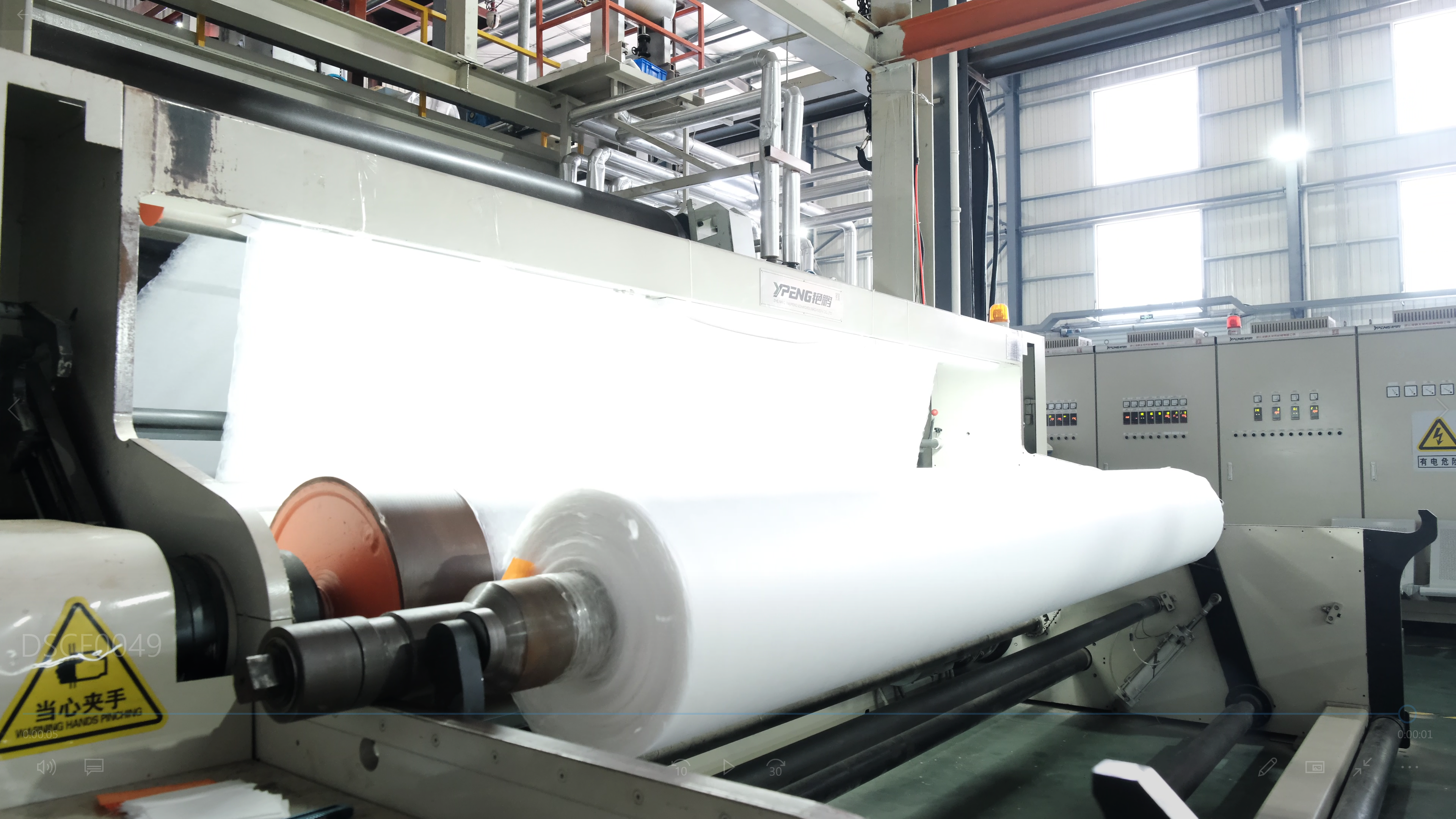
What Are PLA Nonwoven Spunbond Fabrics?
PLA (polylactic acid) nonwoven spunbond fabrics are produced from biodegradable polymers derived from renewable resources such as corn starch or sugarcane. Through the spunbond process, continuous filaments are extruded, laid into a web, and bonded to form a lightweight yet strong fabric.
Unlike traditional polypropylene (PP) spunbond nonwovens, PLA fabrics are designed to degrade under industrial composting conditions, making them an attractive option for applications where environmental impact is a concern.
The spunbond structure provides uniform strength, breathability, and durability, allowing PLA fabrics to perform effectively across a wide range of applications.
Why Are PLA Spunbond Nonwoven Fabrics Gaining Popularity?
The growing demand for sustainable materials is one of the main drivers behind the adoption of PLA nonwoven fabrics. However, their appeal goes beyond environmental benefits.
● Made from renewable resources, reducing dependence on fossil fuels
● Biodegradable under controlled conditions, minimizing long-term waste
● Lightweight and breathable, suitable for diverse applications
● Good tensile strength and uniform structure
● Compatible with existing nonwoven production processes
These characteristics make PLA spunbond fabrics a viable option for companies seeking to balance performance and sustainability.
What Are the Key Properties of PLA Spunbond Fabrics?
Understanding material properties is critical when evaluating suitability for specific applications.
● Mechanical strength: Provides adequate tensile strength for light to medium-duty uses
● Air permeability: Allows airflow, making it suitable for hygiene and agricultural applications
● Thermal bonding capability: Enables efficient manufacturing and product integration
● Biodegradability: Breaks down under composting conditions, reducing environmental impact
● Soft texture: Suitable for applications requiring comfort or skin contact
While PLA may not match the high-temperature resistance of some synthetic materials, it performs well in controlled environments.
Where Are PLA Nonwoven Spunbond Fabrics Used?
PLA spunbond nonwoven fabrics are increasingly used across multiple industries where sustainability is a priority.
● Agriculture: Crop covers, weed control fabrics, and plant protection materials
● Packaging: Eco-friendly bags, wrapping materials, and protective layers
● Medical and hygiene products: Disposable gowns, masks, and sanitary products
● Construction: Temporary protective layers and erosion control applications
● Retail and consumer goods: Shopping bags and disposable textile products
In many of these applications, the material provides short-term functionality followed by environmentally friendly disposal.
How Do PLA Fabrics Compare to Traditional PP Nonwoven Fabrics?
This is one of the most common questions from buyers considering a switch.
● Environmental impact: PLA is renewable and biodegradable, while PP is petroleum-based and non-biodegradable
● Performance: PP offers higher durability for heavy-duty applications, while PLA is suitable for moderate-use scenarios
● Cost: PLA may have higher initial costs but aligns with sustainability regulations and branding goals
● End-of-life: PLA supports composting and reduced landfill impact
For businesses prioritizing sustainability, PLA fabrics provide a strong competitive advantage.
What Should You Consider When Choosing PLA Spunbond Fabrics?
Selecting the right PLA nonwoven fabric requires balancing technical requirements and environmental goals.
● Application duration: Ensure the material lifespan matches usage needs
● Strength requirements: Evaluate tensile strength and load conditions
● Environmental conditions: Temperature, humidity, and exposure affect performance
● Processing compatibility: Confirm suitability with existing production systems
● Regulatory compliance: Consider environmental standards and certifications
Careful evaluation helps ensure the material meets both performance and sustainability expectations.
Future Trends in PLA Nonwoven Spunbond Fabrics
As technology advances, PLA nonwoven fabrics are expected to improve in both performance and adoption.
● Enhanced mechanical properties through material modification
● Better control over degradation rates
● Expansion into high-performance applications
● Increased demand driven by environmental regulations
These trends indicate strong growth potential for PLA-based materials in global markets.
Conclusion
PLA nonwoven spunbond fabrics represent a significant step forward in sustainable material development. By combining renewable sourcing with practical performance characteristics, they offer a viable alternative to traditional nonwoven materials.
For B2B buyers, adopting PLA fabrics is not only a response to environmental pressures but also an opportunity to align with future market demands. With proper selection and application, PLA nonwoven spunbond fabrics can deliver both functional value and environmental benefits.
FAQ
1. Are PLA nonwoven spunbond fabrics fully biodegradable?
They are biodegradable under industrial composting conditions, but degradation depends on environmental factors.
2. Can PLA fabrics replace PP nonwoven fabrics completely?
Not in all cases. PLA is suitable for many applications but may not match PP in high-temperature or heavy-duty uses.
3. Are PLA fabrics safe for skin contact applications?
Yes, PLA fabrics are generally safe and suitable for hygiene and medical applications.
4. What industries benefit most from PLA nonwoven fabrics?
Industries such as agriculture, packaging, medical, and retail benefit the most due to their need for sustainable materials.
Post time: Apr-17-2026