
PLA Nonwoven Fabric is used in applications where material uniformity can affect appearance, processing stability, and end-use performance. However, thickness may vary across the fabric web or along the production direction, even when the material appears visually consistent. Understanding the causes of these variations helps explain why they occur, how they can be identified, and what factors matter when evaluating fabric quality.
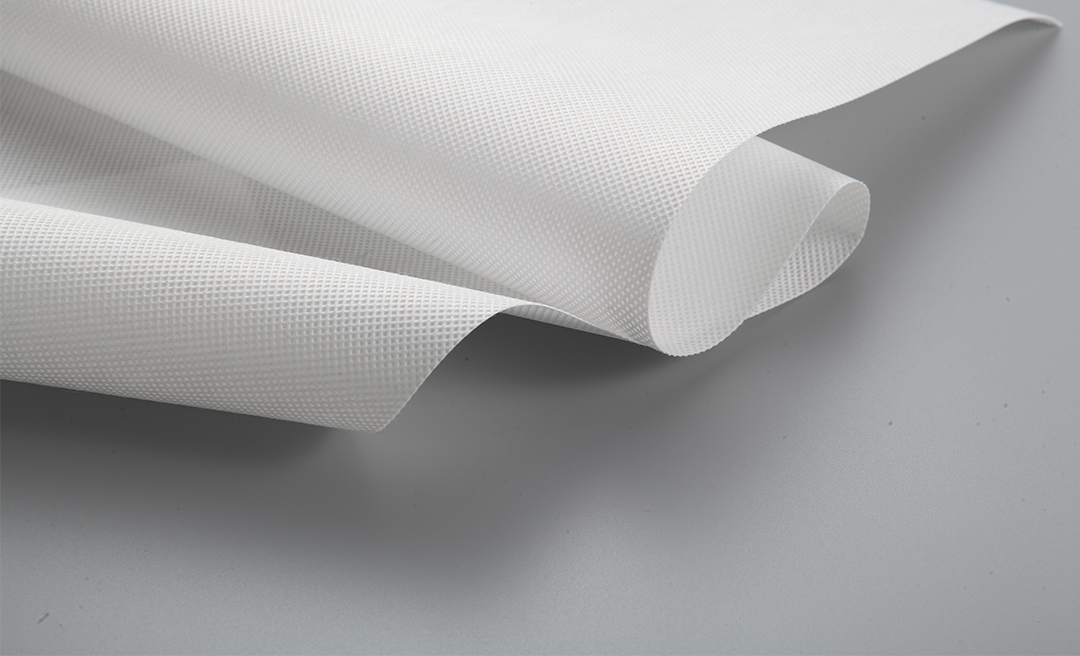
How Is Thickness Uniformity Formed?
The thickness of PLA Nonwoven Fabric depends on several related characteristics, including fiber distribution, fiber diameter, web structure, and bonding conditions. These factors determine how much space the fibers occupy and how the web responds to pressure. Thickness and basis weight are closely related, but they are not interchangeable measurements. Basis weight describes the mass of material per unit area, while thickness measures the distance between the fabric’s surfaces under specified testing conditions. Two areas can have similar basis weights but different thicknesses if their fibers are arranged differently or compressed to different degrees.
PLA fibers are generally formed from polylactic acid, a polymer whose processing behavior can be affected by temperature and other production conditions. During nonwoven formation, variations in fiber formation, deposition, and bonding may create local differences in the web structure. These differences can remain in the finished fabric and become noticeable during inspection or subsequent processing.
Common Causes of Uneven Thickness
Uneven Fiber Distribution
Uneven fiber deposition is a common reason for thickness variation. If more fibers accumulate in one area than another, the web may develop thicker and thinner zones. This can occur across the width or along the production direction.
The effect is not always obvious from appearance alone. A relatively uniform surface may still contain differences in local fiber density. Conversely, a visible surface variation does not necessarily mean that the basis weight changes by the same proportion. Fiber distribution should therefore be considered alongside basis weight and thickness measurements. Comparing samples from different positions can help determine whether the variation follows a particular pattern rather than occurring randomly.
Changes in Fiber Diameter
Fiber diameter also affects the structure of PLA Nonwoven Fabric. When fibers vary in diameter, their packing behavior and the spaces between them may change. A web containing a different mix of fiber sizes can therefore have a different thickness or degree of openness, even if the total fiber mass is similar. Fiber diameter may be influenced by material characteristics and processing conditions during fiber formation. If the variation is inconsistent, the resulting web may show differences in density, surface texture, or local compressibility.
This relationship is important because thickness alone cannot explain the entire structure of a nonwoven material. Two samples with similar thickness readings may still differ in pore structure or fiber arrangement, which can affect performance in specific applications.
Inconsistent Bonding and Compression
Bonding helps hold fibers together and gives the web its required structural integrity. Depending on the nonwoven process, thermal, mechanical, or other bonding methods may influence the final thickness. If bonding or compression is uneven, some areas may become denser while others retain a more open structure. Excessive compression can reduce thickness without necessarily changing the amount of material in the area. In contrast, insufficient or inconsistent bonding may leave the web with uneven structural stability. The result depends on the material structure and the bonding method used.
For this reason, a thickness difference should not automatically be attributed to fiber quantity. When basis weight remains relatively stable, differences in bonding and compression deserve consideration.
How Can Thickness Variations Be Identified?
Comparing thickness with basis weight is a useful starting point. If thicker areas also have a higher basis weight, uneven fiber deposition may be contributing to the variation. If basis weight remains similar while thickness changes, differences in fiber arrangement, bonding, or compression may be involved. This comparison helps narrow down possible causes, although it cannot confirm a single cause on its own.
The location of the variation also provides useful clues. Samples taken from the left edge, center, and right edge can reveal differences across the fabric width. Additional samples collected along the production direction help determine whether the variation is continuous, intermittent, or repeated at regular intervals. These patterns can help distinguish distribution-related issues from changes that occur during processing.
Consistent measurement conditions are essential for reliable comparisons. Nonwoven materials can compress under pressure, so readings taken with different instruments, contact pressures, or testing procedures may not be directly comparable. Using the same measurement method, recording sampling locations, and checking results against the same product specification provide a more reliable assessment of thickness uniformity. A single measurement cannot represent the condition of an entire roll.
Practical Checks for Better Thickness Consistency
When evaluating PLA Nonwoven Fabric, several checks can help establish whether thickness variation is significant and where further investigation may be useful:
l Compare multiple sampling positions. Take samples from different areas across the width and along the production direction instead of relying on one point.
l Check thickness and basis weight together. This helps distinguish possible material-distribution differences from structural or compression-related changes.
l Keep testing conditions consistent. Use the same measurement method and specified contact pressure so that readings can be compared meaningfully.
l Inspect the web structure. Look for visible changes in fiber distribution, surface texture, bonding, or compactness that may correspond to measured variations.
l Compare results with application requirements. A variation that is acceptable for one use may be unsuitable for a process that requires close dimensional control.
These checks are most useful when interpreted together. For example, a thicker area with a higher basis weight may point toward uneven fiber deposition, while a thickness difference without a comparable weight change may indicate that the fibers are arranged or compressed differently.
Why Does Thickness Uniformity Matter in Final Applications?
The importance of thickness consistency depends on how PLA Nonwoven Fabric is used. In products where cushioning, surface coverage, or a consistent physical profile matters, local thickness differences may affect the appearance and feel of the material. In converting operations, uneven thickness can also influence feeding, cutting, lamination, or bonding, particularly when equipment is adjusted for a narrow material tolerance.
Thickness can also affect functional properties, but the relationship is not always direct. Depending on the fiber structure and bonding method, a thicker web may contain more air space, more material, or a less compressed structure. These possibilities have different implications for properties such as permeability, flexibility, and resistance to compression. Therefore, thickness should be evaluated alongside the performance criteria relevant to the intended application.
There is no single thickness tolerance suitable for every PLA nonwoven product. The acceptable range depends on the material specification, manufacturing process, and requirements of the finished product. Defining the measurement method and acceptance criteria in advance makes quality comparisons more meaningful and reduces the risk of treating harmless variation as a defect—or overlooking a variation that affects use. When selecting PLA Nonwoven Fabric, it is useful to review the required thickness range, basis weight, bonding characteristics, and intended processing conditions together. Clear specifications and consistent sampling provide a stronger basis for comparing materials and assessing their suitability for a particular application.
Conclusion
Uneven thickness in PLA Nonwoven Fabric can result from differences in fiber distribution, fiber diameter, bonding, or compression. Since thickness and basis weight measure different aspects of the material, neither should be used alone to explain every variation. Comparing measurements across multiple positions, maintaining consistent testing conditions, and considering the fabric’s structure and end-use requirements can help identify meaningful differences. A combined assessment provides a more reliable understanding of uniformity and its practical significance.
Frequently Asked Questions
1. Does uneven thickness always mean that PLA Nonwoven Fabric is defective?
No. The significance of a thickness difference depends on the product specification and intended application. Minor variations may fall within the accepted tolerance, while larger differences may affect processing or final performance.
2. Can two PLA nonwoven samples have the same basis weight but different thicknesses?
Yes. Differences in fiber arrangement, bonding, or compression can produce different thickness readings even when the mass per unit area is similar.
3. Is thickness enough to evaluate PLA Nonwoven Fabric quality?
No. Thickness is one useful indicator, but it should be considered with basis weight, fiber structure, bonding consistency, and the requirements of the intended application.
Post time: Oct-21-2026