
As global construction and environmental standards continue to evolve, sustainability has become a critical factor in material selection. PLA geotextile is emerging as an innovative alternative to traditional synthetic geotextiles, offering both performance and environmental benefits.
For B2B buyers and project planners, understanding how PLA geotextiles work and where they add value is essential for meeting both engineering and sustainability goals.
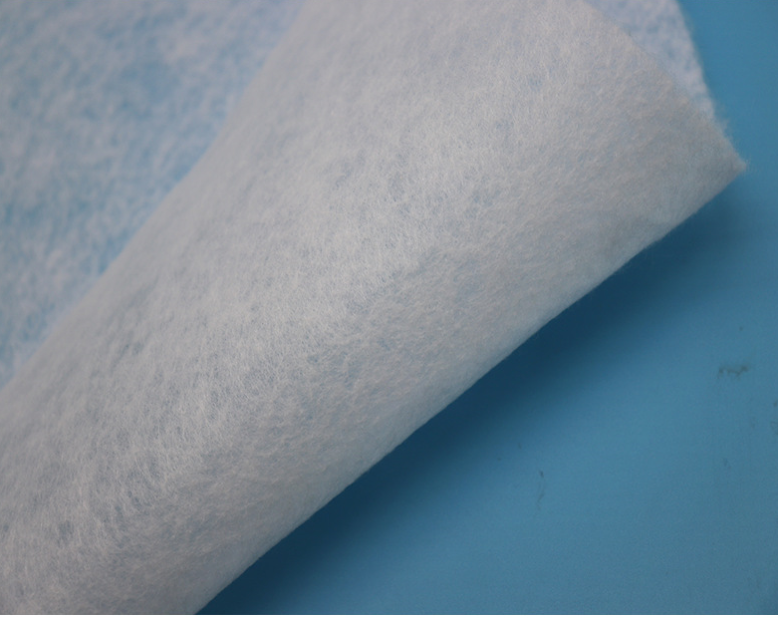
What Is PLA Geotextile and Why Is It Gaining Attention?
PLA geotextile is a type of biodegradable geotextile made from polylactic acid (PLA), a polymer derived from renewable resources such as corn starch or sugarcane. Unlike conventional polypropylene (PP) or polyester (PET) geotextiles, PLA-based products are designed to degrade naturally over time under specific environmental conditions.
This characteristic makes PLA geotextiles particularly attractive for projects where temporary reinforcement or erosion control is required without leaving long-term environmental impact.
As governments and industries push for greener infrastructure, PLA geotextiles are becoming increasingly relevant in sustainable engineering practices.
Key Functions of PLA Geotextile in Engineering Applications
Despite being biodegradable, PLA geotextiles still perform the essential functions expected from traditional geotextiles.
● Soil stabilization: Reinforces weak soil structures and improves load distribution
● Filtration: Allows water to pass through while retaining soil particles
● Drainage: Facilitates water flow and reduces hydrostatic pressure
● Separation: Prevents mixing of different soil layers
● Erosion control: Protects soil from water and wind erosion
These functions ensure that PLA geotextiles can meet the technical requirements of many civil engineering projects.
Where Are PLA Geotextiles Commonly Used?
PLA geotextiles are particularly suitable for projects where environmental impact and temporary functionality are key considerations.
● Slope stabilization and vegetation projects
● Riverbank and coastal erosion control
● Temporary road construction and site access
● Landscaping and ecological restoration
● Agricultural soil protection and weed control
In these applications, the material provides initial structural support and gradually degrades as natural stabilization (such as plant growth) takes over.
How Does PLA Compare to Traditional Geotextiles?
One of the most common concerns among buyers is how PLA geotextiles perform compared to conventional materials.
● Environmental impact: PLA is biodegradable and derived from renewable resources, while PP and PET are petroleum-based
● Lifespan: PLA is suitable for temporary applications, whereas traditional geotextiles are designed for long-term use
● Strength: PLA offers adequate strength for many applications but may not match heavy-duty synthetic alternatives
● Cost: PLA products may have higher upfront costs but offer environmental and regulatory advantages
For projects prioritizing sustainability and controlled lifecycle performance, PLA geotextiles present a compelling option.
What Factors Should You Consider When Choosing PLA Geotextile?
Selecting the right PLA geotextile requires evaluating both engineering requirements and environmental conditions.
● Project duration: Ensure the degradation timeline aligns with project needs
● Soil conditions: Consider soil type, moisture levels, and load requirements
● Climate factors: Temperature and humidity can affect degradation rates
● Mechanical properties: Check tensile strength and permeability
● Installation conditions: Ensure proper handling to maintain material integrity
Balancing these factors helps ensure optimal performance throughout the material’s functional lifespan.
What Are the Benefits of Using PLA Geotextile?
PLA geotextiles offer several advantages that align with modern construction and environmental goals.
● Reduced environmental footprint due to biodegradability
● Support for green building certifications and sustainability targets
● Elimination of long-term waste in soil systems
● Compatibility with ecological restoration projects
● Contribution to circular economy initiatives
These benefits make PLA geotextiles an attractive choice for forward-thinking organizations.
Future Trends in PLA Geotextile Development
As material science advances, PLA geotextiles are expected to see further improvements in performance and adoption.
● Enhanced strength and durability through material modification
● Improved control over degradation rates
● Expansion into more demanding engineering applications
● Increased adoption driven by environmental regulations
The combination of performance and sustainability positions PLA geotextiles as a key material for future infrastructure projects.
Conclusion
PLA geotextile represents a significant step forward in sustainable engineering materials. By combining essential geotextile functions with biodegradability, it offers a solution that meets both technical and environmental requirements.
For B2B buyers, the decision to use PLA geotextiles should be based on project duration, performance needs, and sustainability goals. When applied correctly, this material can deliver reliable results while reducing long-term environmental impact.
FAQ
1. How long does PLA geotextile last before degrading?
The lifespan depends on environmental conditions such as temperature, moisture, and microbial activity. It can range from several months to a few years.
2. Is PLA geotextile strong enough for construction projects?
Yes, it provides sufficient strength for many temporary and moderate-load applications, though it may not replace heavy-duty synthetic materials in all cases.
3. Is PLA geotextile environmentally friendly?
Yes, it is made from renewable resources and is biodegradable, making it a more sustainable alternative to traditional geotextiles.
4. Where is PLA geotextile most effective?
It is ideal for erosion control, landscaping, ecological restoration, and temporary infrastructure projects where long-term material presence is not required.
Post time: Apr-03-2026