
When discussing ground stabilization, weed control, drainage, or soil separation, two materials are frequently mentioned: geotextile and landscape fabric. Because they often look similar, many buyers assume they are the same product. However, in professional construction and landscaping applications, there are important differences between the two.
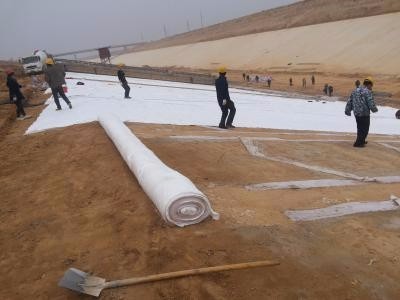
For contractors, distributors, engineers, and B2B buyers, understanding these differences is essential for selecting the right material and avoiding performance problems. This article explains how geotextiles and landscape fabrics differ in structure, function, durability, and application.
What Is Geotextile?
Geotextile is an engineered permeable fabric designed for civil engineering and infrastructure projects. It is typically made from polypropylene (PP) or polyester (PET) fibers and manufactured as woven, nonwoven, or knitted materials.
Geotextiles are designed to perform technical functions such as:
● Soil stabilization
● Separation between soil layers
● Drainage and filtration
● Reinforcement of weak ground
● Protection of geomembranes and structures
Because geotextiles are engineered for demanding environments, they are commonly used in highways, railways, drainage systems, erosion control projects, and landfills.
What Is Landscape Fabric?
Landscape fabric is primarily designed for gardening and landscaping applications. It is usually lighter and less technically engineered than geotextile products.
Its main purposes include:
● Weed suppression
● Moisture retention
● Decorative stone separation
● Basic soil stabilization in landscaping
Landscape fabrics are commonly installed under mulch, gravel paths, flower beds, or decorative stone areas to reduce weed growth while allowing water penetration.
Are Geotextile and Landscape Fabric Made from the Same Materials?
In many cases, both products may use similar raw materials such as polypropylene. However, the manufacturing standards and performance specifications are very different.
Geotextiles are engineered for structural performance, meaning they undergo testing for tensile strength, permeability, puncture resistance, and durability.
Landscape fabrics, on the other hand, are generally designed for lighter-duty applications and may not meet the same engineering standards.
So while the materials may appear similar, the product performance can differ significantly.
What Are the Main Functional Differences?
The biggest difference lies in how the products are intended to function.
Geotextile Functions
● Reinforces soil under heavy loads
● Prevents soil erosion in infrastructure projects
● Filters water while retaining soil particles
● Supports long-term drainage systems
● Handles demanding environmental conditions
Landscape Fabric Functions
● Blocks sunlight to suppress weeds
● Separates decorative materials from soil
● Reduces maintenance in gardens and pathways
● Allows limited water and air movement
Landscape fabric is mainly designed for surface-level landscaping, while geotextiles are engineered for structural and subsurface applications.
Which Product Is More Durable?
Durability is one of the most important differences between the two.
Geotextiles are manufactured for long-term use in demanding environments. They are often resistant to:
● Heavy loads
● Soil pressure
● Chemical exposure
● UV degradation
● Puncture and tearing
Landscape fabrics are generally thinner and may degrade more quickly, especially when exposed to sunlight, moisture, or heavy traffic.
For professional infrastructure projects, geotextiles provide significantly higher durability and reliability.
Can Landscape Fabric Replace Geotextile?
This is a common question, especially in cost-sensitive projects.
In light landscaping applications, landscape fabric may be sufficient. However, it should not replace geotextile in engineering or heavy-duty environments.
Using landscape fabric in place of geotextile can result in:
● Reduced drainage performance
● Fabric tearing under load
● Soil instability
● Shortened project lifespan
● Increased maintenance costs
For projects involving roads, drainage systems, retaining walls, or erosion control, engineered geotextiles are the correct solution.
When Should You Use Geotextile Instead of Landscape Fabric?
Geotextile should be selected when structural performance is important.
Typical applications include:
● Road and highway construction
● Railway stabilization
● Drainage and filtration systems
● Coastal and riverbank erosion control
● Landfill and environmental engineering
● Heavy-duty gravel stabilization
These applications require higher strength and technical performance than standard landscape fabrics can provide.
How to Choose the Right Geotextile?
Selecting the correct geotextile depends on project requirements.
● Woven geotextiles: Best for reinforcement and stabilization
● Nonwoven geotextiles: Best for drainage and filtration
● Heavier GSM: Better for demanding applications
● Higher permeability: Important for drainage systems
Understanding soil conditions, load requirements, and environmental exposure helps ensure the correct product selection.
Why Are Geotextiles Important in Modern Construction?
Modern infrastructure projects require materials that improve performance while reducing long-term maintenance costs.
Geotextiles help achieve this by:
● Increasing soil stability
● Improving drainage efficiency
● Extending infrastructure lifespan
● Reducing material consumption
● Lowering maintenance requirements
Because of these benefits, geotextiles have become a standard material in civil engineering.
Conclusion
Although geotextile and landscape fabric may look similar, they are not the same product. Landscape fabric is primarily intended for gardening and decorative landscaping, while geotextiles are engineered materials designed for demanding construction and infrastructure applications.
For B2B buyers and project planners, choosing the correct material is essential for ensuring durability, performance, and long-term project success. In applications involving structural support, drainage, or erosion control, geotextiles provide the reliability and engineering performance that landscape fabrics cannot match.
FAQ
1. Can geotextile be used for landscaping?
Yes, geotextiles can be used in landscaping, especially in areas requiring better drainage or stabilization.
2. Is landscape fabric strong enough for road construction?
No, landscape fabric is generally not designed for heavy-load engineering applications.
3. What is the biggest advantage of geotextile?
Its ability to provide reinforcement, drainage, filtration, and separation in demanding environments.
4. Which lasts longer, geotextile or landscape fabric?
Geotextile is typically more durable and designed for long-term performance in harsh conditions.
Post time: May-06-2026