
When it comes to soil stabilization, erosion control, and landscaping projects, geotextiles play a crucial role. Many people wonder, “Is geotextile the same as landscape fabric?” While they share some similarities, geotextiles and landscape fabrics have distinct purposes, properties, and applications. This article provides an in-depth look at geotextiles, their features, benefits, and why they are essential in construction, agriculture, and environmental projects.
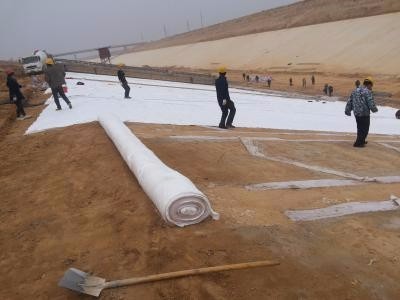
What is Geotextile?
Geotextile is a permeable fabric made from synthetic materials such as polypropylene or polyester. It is designed to improve soil performance, enhance stability, and provide erosion control in civil engineering, landscaping, and environmental applications. Geotextiles are classified into two main types:
● Woven Geotextiles – Made by interlacing fibers, providing high tensile strength and durability, suitable for load-bearing applications.
● Non-Woven Geotextiles – Manufactured by bonding fibers together using heat or chemical processes, ideal for filtration, drainage, and separation tasks.
Unlike standard landscaping fabrics, geotextiles are engineered to withstand heavy mechanical loads, resist UV degradation, and endure long-term environmental exposure.
Geotextiles vs. Landscape Fabric
While both geotextiles and landscape fabrics are permeable and allow water to pass through, there are key differences:
● Purpose – Landscape fabric is primarily used in gardens to prevent weed growth while allowing water and nutrients to reach plants. Geotextiles, on the other hand, are designed for large-scale engineering applications such as road construction, soil reinforcement, erosion control, and drainage systems.
● Strength and Durability – Geotextiles are stronger and more durable than typical landscape fabrics. They can handle heavy loads, high tension, and environmental stress.
● Thickness and Weight – Geotextiles are generally thicker and heavier, which makes them suitable for industrial and civil engineering projects. Landscape fabrics are lightweight and flexible, optimized for small-scale gardening.
● Longevity – Geotextiles are engineered for long-term performance in harsh conditions, whereas landscape fabrics may degrade faster under UV exposure and heavy use.
In summary, while landscape fabric can be considered a type of geotextile in very light-duty applications, geotextiles are far more robust, versatile, and designed for professional civil, environmental, and agricultural projects.
Key Features of Geotextiles
Geotextiles have several features that make them indispensable in engineering and landscaping projects:
● Soil Stabilization – Geotextiles distribute loads and prevent soil displacement, making them ideal for embankments, roads, and retaining walls.
● Erosion Control – By holding soil in place and reducing runoff, geotextiles protect slopes, riverbanks, and coastal areas from erosion.
● Filtration – Non-woven geotextiles allow water to pass through while preventing soil particles from moving, essential for drainage systems.
● Separation – Geotextiles prevent mixing of different soil layers, maintaining the structural integrity of roads, railways, and industrial platforms.
● Durability – Resistant to UV radiation, chemicals, and mechanical damage, ensuring long-term effectiveness.
Applications of Geotextiles
Geotextiles are widely used across multiple industries due to their versatility:
● Construction – Used in roadbeds, foundations, retaining walls, and airport runways to enhance soil stability and load-bearing capacity.
● Agriculture – Protects crop beds, prevents soil erosion in fields, and enhances drainage in agricultural drainage systems.
● Landscaping – Supports slope stabilization, garden drainage, and ground reinforcement in parks and recreational areas.
● Environmental Protection – Applied in landfills, sediment control, and water filtration systems to reduce contamination and maintain ecological balance.
The ability of geotextiles to perform multiple functions simultaneously makes them a cost-effective and reliable solution for B2B projects.
Benefits of Using Geotextiles
Investing in geotextiles provides tangible advantages for professional and industrial applications:
● Enhanced Structural Stability – Reinforces soil and prevents displacement, supporting heavy loads and construction activities.
● Cost-Effective Solution – Reduces the need for frequent maintenance, repair, and soil replacement.
● Improved Drainage – Maintains water flow while preventing soil clogging in drainage systems.
● Erosion Prevention – Protects landscapes, roads, and embankments from natural wear and extreme weather events.
● Versatility – Available in different types, weights, and sizes to suit specific project requirements.
By implementing geotextiles, businesses and municipalities can achieve durable, reliable, and environmentally friendly outcomes.
Choosing the Right Geotextile for Your Project
Selecting the appropriate geotextile depends on the specific requirements of your project:
● Assess the load-bearing capacity needed for construction or traffic applications.
● Determine the drainage and filtration requirements, especially in water management projects.
● Consider soil type and environmental conditions, including chemical exposure and UV intensity.
● Choose between woven and non-woven geotextiles based on strength and filtration needs.
● Confirm long-term durability to ensure the material withstands project-specific stresses.
By carefully evaluating these factors, B2B buyers can select geotextiles that deliver the desired performance and longevity.
Conclusion
In conclusion, geotextiles and landscape fabrics may appear similar, but they serve fundamentally different purposes. Landscape fabrics are designed for light-duty garden use, primarily to control weeds and allow water flow. Geotextiles, however, are engineered for heavy-duty applications, offering soil stabilization, erosion control, drainage, and separation functions in construction, agriculture, and environmental projects.
For B2B buyers, understanding these differences ensures that the right material is chosen for the right project, maximizing efficiency, safety, and cost-effectiveness. By selecting high-quality geotextiles, businesses can protect infrastructure, enhance soil performance, and achieve long-term project success.
FAQ:
Q1: Can geotextiles be used in landscaping projects?
Yes, geotextiles can be used for slope stabilization, garden drainage, and erosion control in landscaping, but they are more robust than standard landscape fabrics.
Q2: What is the difference between woven and non-woven geotextiles?
Woven geotextiles provide high tensile strength and are ideal for load-bearing applications. Non-woven geotextiles excel in filtration, drainage, and separation.
Q3: How long do geotextiles last?
High-quality geotextiles are UV and chemically resistant, typically lasting 10-20 years depending on environmental exposure and application.
Q4: Are geotextiles environmentally friendly?
Yes, most geotextiles are made from recyclable synthetic fibers and contribute to soil protection and erosion prevention, supporting sustainable project practices.
Post time: Jan-16-2026