
Choosing a reliable factory geotextile manufacturer is important for buyers who need stable geotextile fabric for construction, drainage, landscaping, agriculture, road base, erosion control, and ground protection projects.
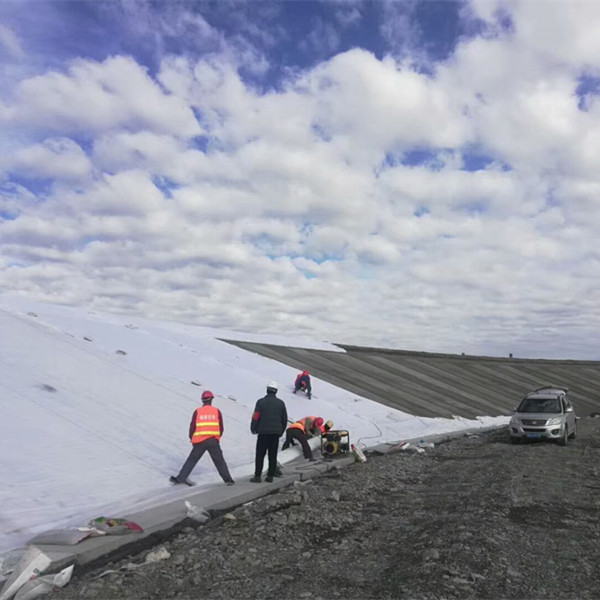
Geotextile is often installed under soil, gravel, sand, stone, or waterproof membranes, so material quality may not be visible after installation. If the fabric is weak, uneven, or unsuitable for the application, problems may appear later as poor drainage, soil mixing, settlement, clogging, or structural damage.
For contractors, distributors, project buyers, and engineering material suppliers, the key is not only finding a low price. A good geotextile manufacturer should provide the right fabric type, stable production quality, suitable specifications, reliable packaging, and practical support for different project applications.
What Does a Factory Geotextile Manufacturer Supply?
A factory geotextile manufacturer usually supplies geotextile fabric in rolls for construction, landscaping, agriculture, drainage, and environmental projects. Common product types include nonwoven geotextile, needle-punched geotextile fabric, woven geotextile, PP geotextile fabric, and PET geotextile fabric.
Nonwoven geotextile is often used for filtration, drainage, separation, protection, and landscaping applications. Needle-punched geotextile fabric has a flexible structure and good water permeability, making it suitable for drainage trenches, retaining walls, road separation, pond liner protection, and erosion control.
Woven geotextile is usually chosen when higher tensile strength and reinforcement are required. It is often used in road bases, embankments, driveways, temporary roads, and load-bearing ground projects.
Vinner’s product system includes multipurpose fabrics, PP/PET needle-punched geotextile fabrics, PP/PET/RPET/PLA nonwoven fabrics, garden products, netting, shade products, and outdoor covering materials. This product range allows buyers to match geotextile fabric with broader ground protection, garden, construction, and outdoor project needs.
Why Factory Production Quality Matters
Geotextile fabric may look similar from the outside, but the real difference is in production consistency. A reliable factory geotextile manufacturer should control fabric weight, thickness, tensile strength, elongation, permeability, roll width, and surface uniformity.
If the fabric weight is unstable, the material may perform differently from roll to roll. If the thickness is uneven, filtration and protection performance may be affected. If tensile strength is too low, the fabric may tear during installation or under load. If water permeability is not suitable, drainage systems may clog or fail.
For large projects, stable roll quality is especially important. Contractors and distributors need fabric that performs consistently during cutting, laying, overlapping, and installation. Good factory control helps reduce waste, complaints, and project risk.
Which Geotextile Type Is Suitable for Your Application?
Different projects require different geotextile functions, so buyers should choose a manufacturer that can help match material type with application.
|
Application |
Recommended Geotextile Focus |
Key Performance Needed |
| Road base and driveway | Woven or strong separation geotextile | Tensile strength, separation, stabilization |
| Drainage trench | Nonwoven needle-punched geotextile | Filtration, permeability, clogging resistance |
| Retaining wall drainage | Nonwoven geotextile fabric | Water flow, soil retention, durability |
| Pond liner protection | Thicker nonwoven geotextile | Cushioning, puncture protection |
| Landscaping and gravel paths | Flexible nonwoven geotextile | Separation, drainage, easy installation |
| Erosion control | Project-specific geotextile | Soil retention, water permeability, ground stability |
| Agriculture and garden use | Lightweight or medium geotextile | Soil separation, moisture movement, weed control support |
This comparison shows why buyers should not select geotextile only by price or roll size. The right fabric depends on soil condition, water flow, installation environment, load pressure, and expected service life.
Why Material Selection Should Match Soil and Water Conditions
Geotextile performance depends heavily on the project environment. In soft soil areas, separation and reinforcement may be more important. In drainage systems, filtration and water permeability are the main concerns. In pond liner or membrane protection, cushioning and puncture resistance matter more.
For example, using a fabric with poor permeability in a drainage trench may slow water movement and increase clogging risk. Using a fabric with insufficient strength under a road base may lead to tearing during installation. Using a thin fabric under a pond liner may not provide enough protection against stones or sharp ground surfaces.
A professional factory geotextile manufacturer should understand these differences and offer suitable fabric options instead of recommending one material for every project.
Can Geotextile Fabric Be Customized?
Yes. Geotextile fabric can usually be customized according to project and market needs. Common customization options include GSM, roll width, roll length, color, material type, packaging method, and sometimes functional requirements.
For road and construction projects, buyers may need wider rolls and higher strength. For landscaping and garden markets, smaller roll sizes and retail-friendly packaging may be more suitable. For drainage or filtration use, permeability and pore structure should be considered carefully.
Customization is useful because different markets have different installation habits, project standards, and buyer preferences. A factory with flexible production and export support can help buyers serve different customer groups more effectively.
Why Work with Vinner for Geotextile and Multipurpose Fabrics?
Vinner focuses on multipurpose fabrics, geotextile fabrics, nonwoven spunbond fabrics, garden products, netting, shade products, and outdoor covering materials. This product background makes it easier to support buyers who need geotextile fabric for construction, landscaping, agriculture, drainage, and ground protection projects.
For buyers looking for a factory geotextile manufacturer, Vinner can provide fabric solutions based on actual application needs, including PP/PET needle-punched geotextile fabrics and related outdoor material products. With export-oriented service and OEM support, buyers can source geotextile fabric in suitable specifications for different markets and project requirements.
Conclusion
A reliable factory geotextile manufacturer should offer more than standard fabric rolls. Buyers need stable quality, suitable material selection, proper specification matching, OEM options, export packaging, and application support. Whether the geotextile is used for road construction, drainage systems, retaining walls, pond liner protection, landscaping, erosion control, or agriculture, the correct fabric can improve project stability and reduce future maintenance problems.
When choosing a geotextile manufacturer, buyers should focus on material type, GSM, tensile strength, permeability, roll quality, customization, and factory experience. A well-made geotextile fabric helps projects perform better from installation to long-term use.
FAQ
1. What does a factory geotextile manufacturer provide?
A factory geotextile manufacturer provides geotextile fabric rolls for construction, drainage, landscaping, road base, erosion control, agriculture, and ground protection applications.
2. How do I choose the right geotextile fabric?
Buyers should choose geotextile based on application, soil condition, water flow, tensile strength, permeability, GSM, thickness, and installation environment.
3. What is the difference between woven and nonwoven geotextile?
Woven geotextile is usually used for reinforcement and stabilization, while nonwoven geotextile is more commonly used for filtration, drainage, separation, protection, and landscaping.
4. Can geotextile fabric be customized by a factory?
Yes. Geotextile fabric can be customized in GSM, roll width, roll length, material type, color, packaging, labeling, and other specifications according to project or market needs.
Post time: Jul-03-2026