
Geotextiles are widely used materials in construction, engineering, and environmental protection, designed to improve soil stability, provide structural support, reduce erosion, and enhance the load-bearing capacity of foundations. As infrastructure development and environmental protection projects continue to grow, the use of geotextiles has expanded significantly. This article aims to address common user questions about geotextiles and explore their key features, applications, and the benefits they bring.
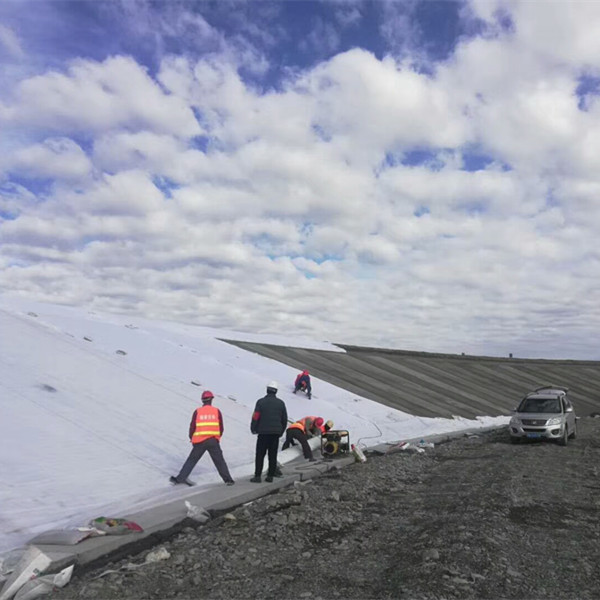
What Exactly Are Geotextiles and Why Are They Important?
Geotextiles are synthetic fabrics made from materials like polyester or polypropylene, designed to be used in construction, civil engineering, and environmental protection projects. They can be woven or nonwoven, providing various physical properties, such as filtration, drainage, and reinforcement, depending on the intended application. Geotextiles play a crucial role in separating different soil layers, enhancing soil stability, preventing erosion, and ensuring drainage.
Key Functions and Advantages of Geotextiles
Geotextiles have various uses in industries like civil engineering, construction, and agriculture. Below are the main functions and advantages of using geotextiles:
1. Filtration
Geotextiles effectively filter soil particles, preventing fine particles from migrating while allowing water to pass through. This function is particularly important in water management projects like dams, drainage systems, and roads, as geotextiles help maintain the integrity of the soil structure and prevent erosion.
2. Drainage
Geotextiles facilitate drainage by allowing water to pass through while filtering out unwanted particles. They are often used in drainage systems to prevent water accumulation, ensuring the structural stability of roads, foundations, and other infrastructure. In addition, geotextiles help prevent water-related damage, such as swelling or erosion of the soil.
3. Reinforcement
Geotextiles are used to reinforce soil and provide additional strength to the ground, particularly in weak or unstable areas. They are essential in road construction, railways, and soft soil foundations, as they prevent settling and enhance the soil’s load-bearing capacity.
4. Erosion Control
Geotextiles are also employed to control soil erosion, particularly in slopes, riverbanks, and coastal areas. By providing a stable surface, geotextiles prevent soil from being washed away by water or wind, helping to preserve land and prevent environmental degradation.
Common Applications of Geotextiles
Geotextiles are essential in a variety of applications, including civil engineering, environmental protection, and agriculture. Here are some of the main areas where geotextiles are applied:
1. Road and Railway Construction
In road and railway construction, geotextiles are used to stabilize the soil, prevent settling, and support the foundation. They help distribute weight and prevent structural damage due to water infiltration, enhancing the longevity of road and railway infrastructure.
2. Water Conservation and Drainage Systems
Geotextiles are frequently used in water management projects such as dams, drainage systems, and flood control structures. They help filter water while preventing soil erosion and ensuring the stability of the structure.
3. Landfills and Environmental Protection
Geotextiles are used in landfills to isolate waste materials from surrounding soil and groundwater. They are also used to prevent soil erosion in environmental protection projects such as slope stabilization and coastal defenses.
4. Agriculture and Landscaping
In agriculture, geotextiles are used to improve soil conditions, prevent weed growth, and conserve moisture. They help maintain soil structure and improve drainage in gardening and landscaping applications.
How to Choose the Right Geotextile for Your Project?
Choosing the right geotextile requires understanding the specific needs of the project and matching the material’s properties to those needs. Here are some important factors to consider:
1. Purpose of Use
Geotextiles are designed for different functions such as filtration, drainage, reinforcement, or erosion control. Identify the primary need for your project before selecting a material. For example, if filtration is essential, choose a geotextile with high permeability. If soil reinforcement is required, select a geotextile with high tensile strength.
2. Material Type
Geotextiles are commonly made from polypropylene, polyester, or other synthetic materials. Each material has its advantages, with polyester being durable and resistant to chemicals, while polypropylene is lighter and more flexible. Choose the material based on the environmental conditions and load requirements of the project.
3. Size and Thickness
Geotextiles come in various sizes and thicknesses. Larger projects may require customized geotextiles, while smaller projects can use standard sizes. Consider the weight-bearing capacity and the type of soil or terrain when choosing the thickness.
4. Durability and Resistance
Consider the exposure to chemicals, UV rays, and extreme weather conditions. Geotextiles that are resistant to UV degradation and harsh chemicals will last longer and perform better in demanding environments.
What Are the Latest Trends in Geotextile Technology?
As the construction industry evolves, so does the demand for more advanced and sustainable geotextile solutions. Here are some emerging trends:
1. Eco-friendly Materials
With increased environmental awareness, there is a growing demand for biodegradable or eco-friendly geotextiles. These materials help reduce the environmental impact while maintaining performance.
2. Smart Geotextiles
Future geotextiles may come with integrated sensors that monitor soil conditions, moisture levels, and structural stability. This “smart” technology will allow for real-time data collection and improve the efficiency of projects.
3. Multifunctional Geotextiles
Geotextiles are becoming more versatile, with some products offering multiple functions such as drainage, reinforcement, and erosion control combined. These multifunctional geotextiles help simplify project requirements and reduce costs.
Conclusion
Geotextiles are essential materials that enhance soil stability, support infrastructure, and protect the environment. They are indispensable in construction, water management, landfills, and agricultural applications. By understanding the key features and functions of geotextiles, businesses can make informed decisions and choose the best material for their projects.
FAQ
1. How long do geotextiles last?
The lifespan of geotextiles depends on the material used and environmental conditions. Geotextiles made from polyester or polypropylene typically last for many years, especially when exposed to stable conditions.
2. Can geotextiles prevent soil erosion?
Yes, geotextiles are commonly used to control soil erosion in areas such as slopes, riverbanks, and coastal zones. They help stabilize the soil and prevent erosion caused by water and wind.
3. Are geotextiles environmentally friendly?
Some geotextiles are made from eco-friendly materials, and there is increasing demand for biodegradable options. Geotextiles help reduce soil erosion and prevent environmental degradation.
4. How do I choose the right geotextile for my project?
When choosing a geotextile, consider the function it needs to serve (filtration, reinforcement, drainage, etc.), the material type, size, thickness, and the durability required for your specific project conditions.
Post time: Mar-27-2026