
A drainage system can lose efficiency even when its pipes, gravel layers, and outlets are properly installed. One possible cause is filter clogging, which occurs when soil particles accumulate around or within the filtering layer and restrict water movement. Choosing the right Geotextile for Drainage Systems is therefore important for maintaining the intended drainage function.
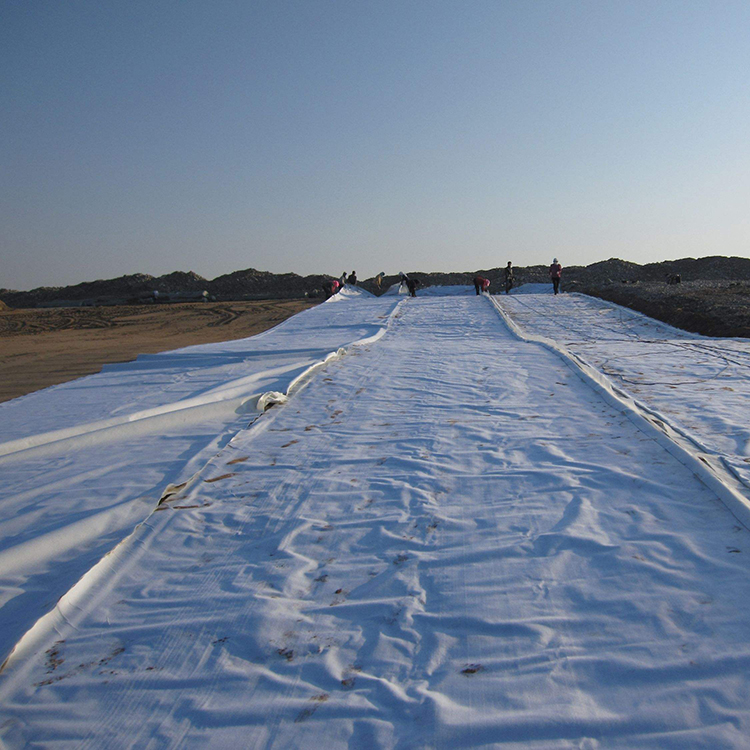
Geotextiles are commonly used as separation and filtration materials in drainage applications. However, not every geotextile is suitable for every soil condition. The material must allow water to pass while retaining soil particles that could enter the drainage aggregate or pipes. Understanding this balance helps prevent material mismatches and reduces the risk of drainage problems.
Why Filter Clogging Occurs in Drainage Systems
Fine soil particles may migrate toward the drainage layer as water moves through the surrounding ground. If the geotextile cannot retain these particles effectively, they may enter the aggregate or drainage pipes. Over time, sediment accumulation can reduce the available flow paths and affect the system’s performance.
The opposite problem can also occur. A filter that is too restrictive for the soil and hydraulic conditions may experience particle accumulation at its surface or within its structure. This can reduce water flow even if the material initially appears suitable.
Soil composition also matters. Fine-grained soils, mixed particle sizes, and soils containing a high proportion of silt or clay can present different filtration challenges. A material selected without considering these conditions may not perform as expected after installation.
For this reason, choosing a Geotextile for Drainage Systems requires more than checking whether the product is described as permeable. Its filtration characteristics must be appropriate for the surrounding soil and the drainage design.
How Geotextile Supports Drainage Filtration
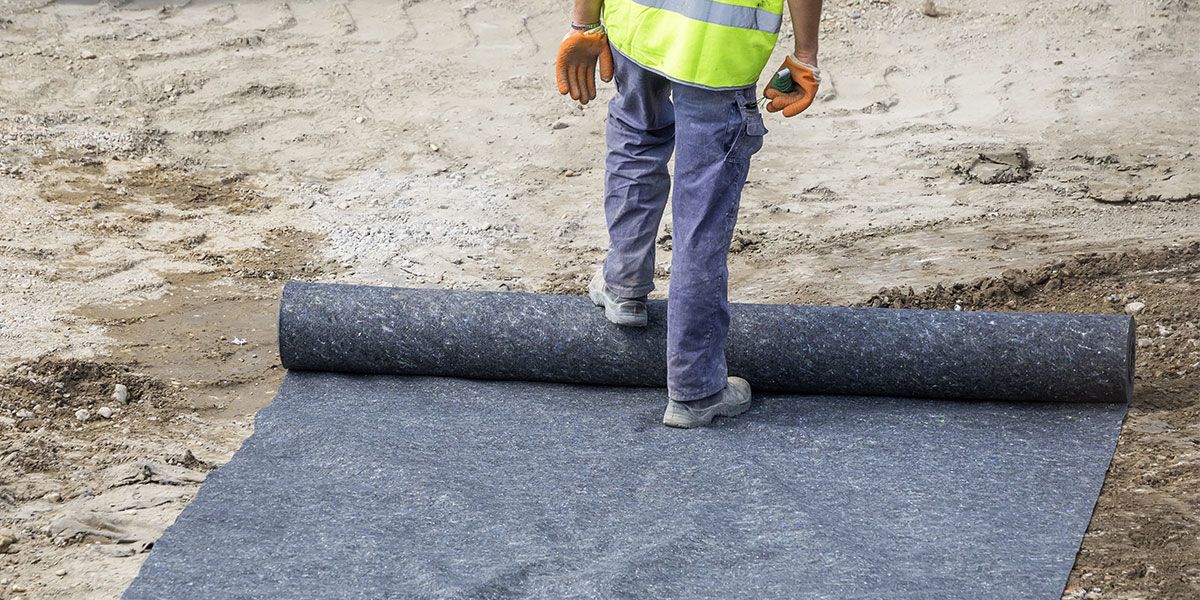
In a typical drainage arrangement, water moves from the surrounding soil toward a drainage aggregate layer or pipe. The geotextile is positioned to separate the soil from the drainage material while allowing water to pass through.
This separation function helps prevent surrounding soil from mixing directly with the drainage aggregate. At the same time, the filtration function helps retain soil particles according to the requirements of the application.
Nonwoven geotextiles are frequently considered for drainage filtration because their interconnected fiber structure provides a porous medium through which water can move. Their structure can also help retain soil particles, depending on the material properties and the surrounding soil conditions.
However, the term “nonwoven” alone does not confirm that a product is suitable. Different nonwoven geotextiles can have different pore structures, permeability characteristics, and physical properties. These differences affect how they interact with soil and water.
Three Factors That Influence Filter Performance
When evaluating a Geotextile for Drainage Systems, buyers and project planners should pay attention to several related properties.
Apparent opening size is one important consideration. It indicates the size of openings in the geotextile and helps assess whether the material can retain soil particles under the intended conditions. If the openings are too large for the surrounding soil, excessive particle migration may occur. If they are too small, the risk of restricted flow or particle accumulation may increase. The appropriate value depends on soil gradation and design requirements.
Permittivity and water flow capacity are also important. A drainage filter needs to allow sufficient water to pass through under the expected hydraulic conditions. A product with unsuitable flow characteristics may restrict drainage, even if its filtration structure appears appropriate. Buyers should compare the relevant test results with the project’s drainage requirements rather than relying on general descriptions such as “high permeability.”
Thickness and structural integrity influence how the material behaves during handling, placement, and service. The geotextile needs to remain sufficiently intact during installation and resist damage from contact with aggregate or other construction materials. If the material is torn or punctured, soil may bypass the intended filter layer.
These properties should not be assessed independently. A product with suitable opening characteristics may still be unsuitable if its water flow capacity or physical strength does not meet the project requirements.
Where Drainage Geotextiles Are Commonly Used
|
Application |
Main filtration concern |
Selection consideration |
| French drains | Soil entering the gravel layer | Match opening characteristics to surrounding soil |
| Foundation drainage | Fine particles accumulating around drainage materials | Consider water flow and soil retention |
| Roadside drainage | Sediment movement into drainage layers | Evaluate filtration and installation durability |
| Retaining wall drainage | Soil migration toward drainage aggregate | Ensure suitable separation and filtration |
In French drain systems, the geotextile is often placed around the drainage aggregate to reduce direct contact between surrounding soil and the gravel. If the filter is unsuitable, soil may gradually enter the drainage layer and reduce its effectiveness.
Foundation drainage systems require attention to the surrounding soil and the expected direction of water movement. The geotextile should work with the drainage layer rather than create an unnecessary restriction.
For roadside drainage, construction conditions and the surrounding ground can vary considerably. The material must be selected according to the soil characteristics and the demands of installation.
Retaining wall drainage also depends on maintaining a pathway for water movement while limiting soil migration. The geotextile should be considered as part of the complete drainage arrangement, not as an isolated material.
Selection Mistakes That Can Lead to Drainage Problems
Some common purchasing decisions can increase the risk of poor filtration performance.
One mistake is selecting a product based only on weight per unit area. Geotextile weight can help describe a material, but it does not independently determine filtration suitability. Two products with similar weights may have different opening sizes, permeability, and structural characteristics.
Another mistake is choosing the smallest available openings without considering the soil. A very restrictive filter is not automatically the safest option. If water cannot pass through at the required rate, the drainage system may still experience reduced performance.
Buyers may also overlook installation conditions. Sharp aggregate, uneven surfaces, excessive stretching, and unsuitable placement methods can damage the material or create gaps. Even a correctly selected geotextile cannot perform its intended function if surrounding soil can bypass it through damaged or poorly connected sections.
Finally, selecting the material before reviewing the drainage design can lead to unnecessary adjustments later. The filter should be chosen as part of the complete system, considering soil conditions, aggregate, drainage pipes, and expected water flow.
How to Check Whether a Geotextile Is Suitable
Before placing a larger order, buyers should request relevant product information and compare it with the project’s technical requirements.
Start with soil information. Particle-size distribution is particularly useful because it helps determine the filtration requirements. Where soil conditions are uncertain or complex, a qualified geotechnical professional may need to assess the appropriate filter criteria.
Next, review the geotextile’s technical data. Depending on the project, relevant information may include apparent opening size, permittivity, permeability, thickness, and tensile properties. These values should be assessed against the design requirements rather than treated as independent indicators of overall quality.
Sample evaluation can also help confirm the material’s physical condition and handling characteristics. Buyers can inspect the fabric structure, check its consistency, and discuss whether the available product specifications match the intended drainage application.
For projects with demanding soil or hydraulic conditions, laboratory testing and engineering review may be necessary. A general product description cannot replace application-specific filtration design.
Choosing the Right Geotextile for Drainage Projects
Selecting a suitable Geotextile for Drainage Systems begins with understanding the soil and the intended drainage function. The material must balance soil retention, water flow, and physical durability under the conditions in which it will be installed.
Vinner provides geotextile products for construction and related applications, including nonwoven geotextile materials. When evaluating a suitable option, buyers should communicate the intended application, surrounding soil conditions, required dimensions, and relevant technical requirements. This information makes it easier to assess whether an available product matches the project’s filtration needs.
Conclusion
Filter clogging can reduce drainage efficiency when soil particles, water flow, and filter materials are not properly matched. A suitable Geotextile for Drainage Systems helps separate soil from drainage materials while allowing water to pass through. By evaluating opening size, water flow capacity, structural properties, and installation conditions together, project planners can make more reliable material decisions and reduce the risk of filtration problems.
FAQ
1. Is nonwoven geotextile suitable for every drainage system?
No. Nonwoven geotextile is commonly considered for filtration, but suitability depends on soil gradation, water flow requirements, and installation conditions. The product should be matched to the specific drainage design.
2. Does a heavier geotextile always provide better drainage performance?
No. Weight alone does not determine filtration or water flow capacity. Opening size, permittivity, structural properties, and soil compatibility should also be evaluated.
3. Can geotextile completely prevent drainage pipes from clogging?
No material can guarantee that a drainage system will never clog. A properly selected and installed geotextile can help reduce soil migration into drainage materials, but overall performance also depends on the drainage design, construction quality, and site conditions.
Post time: Nov-20-2026