
Placing geotextile fabric under gravel can help keep the gravel layer separate from the soil, reduce sinking, preserve drainage space, and make the finished surface easier to maintain. However, not every gravel project has the same requirements. A residential driveway, garden path, drainage trench, and decorative stone bed place very different demands on the material below the gravel.
The most useful approach is not to ask whether geotextile is always necessary, but to consider the soil condition, expected traffic, drainage requirements, and purpose of the finished surface.
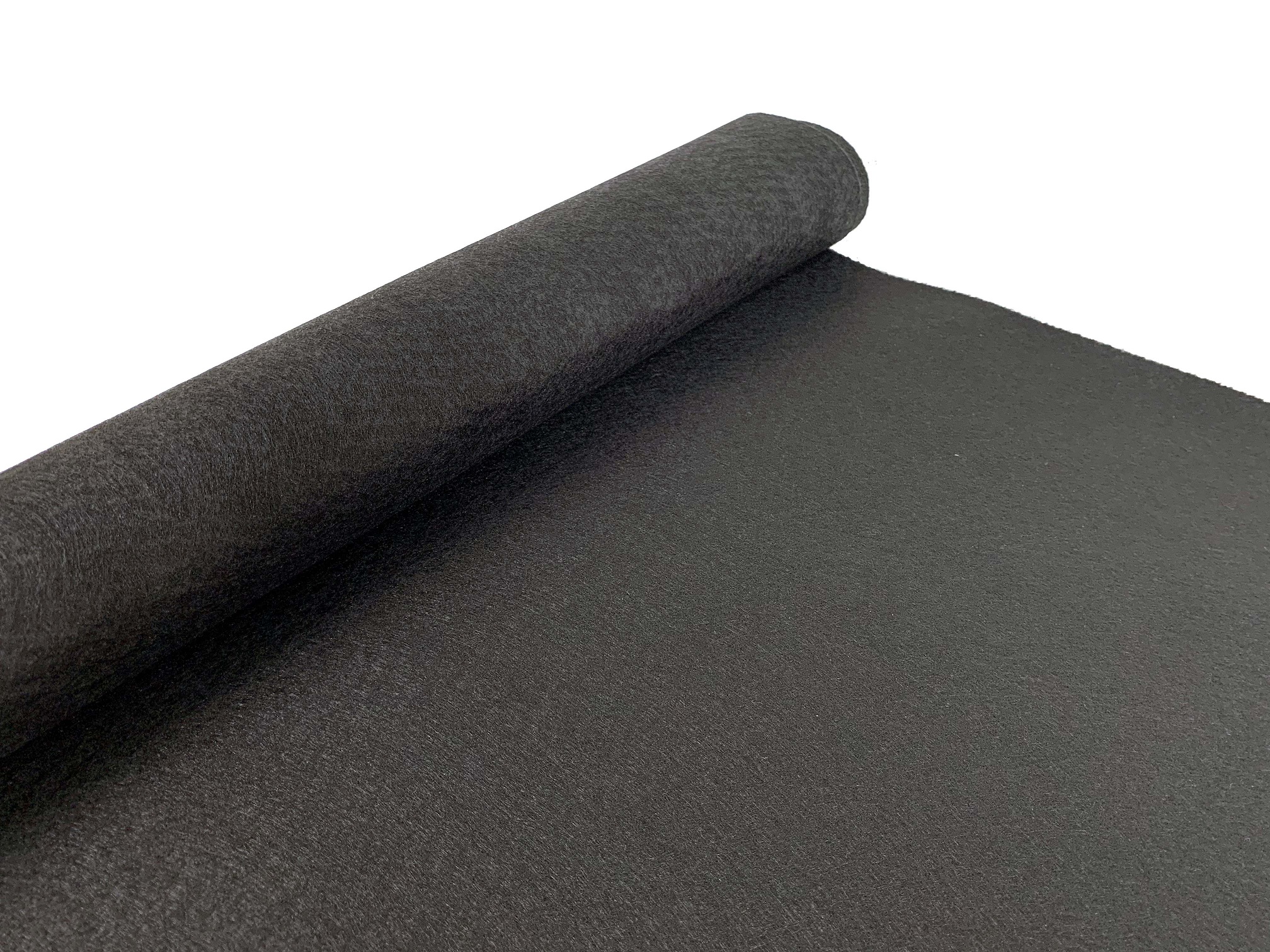
Do You Need Geotextile Fabric Under Gravel?
Geotextile fabric is especially useful when gravel is being installed over soft, wet, clay-rich, or fine-grained soil. Without a separation layer, the stone can gradually sink into the ground while soil moves upward into the gravel.
This material mixing reduces the effective thickness of the gravel layer and may lead to ruts, low spots, muddy surfaces, and repeated stone replacement.
Geotextile is commonly recommended when:
- The soil becomes soft after rain
- The area will carry vehicles or frequent foot traffic
- Gravel has previously sunk into the ground
- Mud rises through the stone layer
- The project needs reliable drainage
- Decorative gravel must stay separate from planting soil
- The base contains fine soil that may enter the aggregate
On firm, well-drained ground with very light use, the benefit may be less noticeable. Even then, a separation layer can help preserve the appearance and structure of the gravel surface.
Geotextile should not be treated as a way to avoid proper site preparation. Soft ground may still need grading, compaction, or additional base material before the fabric is installed.
What Type of Fabric Goes Under Gravel?
The best material depends on what the gravel area is expected to do.
A driveway needs to withstand repeated vehicle movement. A drainage layer needs to let water pass while holding back soil. A garden path may place more importance on keeping decorative stone clean and reducing surface maintenance.
|
Application |
Main Requirement |
| Gravel driveway | Separation and resistance to installation and traffic stress |
| Parking area | Stable support under repeated loads |
| Garden path | Soil separation and cleaner decorative gravel |
| Drainage layer | Water flow and soil filtration |
| Landscape stone bed | Surface management and reduced stone loss |
| Equipment access area | Stronger base support and reduced rutting |
There is no single fabric that is automatically best for every project. The correct choice should reflect the problem beneath the gravel rather than the appearance of the roll.
Woven or Nonwoven Geotextile Under Gravel?
Woven and nonwoven geotextiles are both used beneath gravel, but they do not perform in exactly the same way.
Woven Geotextile
Woven geotextile is made from interlaced strands that form a strong, regular structure. It is often used where separation and ground stability are the main priorities.
It can be suitable beneath:
- Gravel driveways
- Parking areas
- Access roads
- Working yards
- Areas with repeated vehicle movement
The woven structure helps prevent aggregate from pressing into the soil and supports a more clearly separated base.
Nonwoven Geotextile
Nonwoven geotextile has a fibrous structure rather than a regular woven pattern. It is commonly selected where filtration, drainage, cushioning, or protection are important.
It can be suitable beneath:
- Drainage gravel
- Garden paths
- Landscape areas
- Retaining wall drainage
- Areas with fine soil movement
- Gravel placed near membranes or liners
Nonwoven fabric allows water to move through its structure while helping retain soil particles.
The decision should not be reduced to “woven is stronger” or “nonwoven drains better.” Soil condition, expected load, aggregate type, and project purpose all matter.
Does Geotextile Fabric Allow Water to Drain?
Suitable geotextile fabric is designed to allow water to pass through while reducing the movement of fine soil particles.
This is important because gravel drains through the spaces between individual stones. When fine soil enters those spaces, the gravel layer gradually loses its open structure and water movement becomes slower.
By separating the soil from the gravel, geotextile helps preserve drainage space. However, it cannot correct poor slope, blocked outlets, unsuitable aggregate, or a badly designed drainage system.
For effective drainage, the whole installation should include:
- A suitable surface slope
- Properly graded gravel
- A stable base
- An outlet for collected water
- Correct fabric placement
- Adequate edge control
Geotextile supports drainage, but it is only one part of the complete ground system.
Geotextile vs Weed Barrier Under Gravel
Geotextile fabric and weed barrier are often confused because both may be black, supplied in rolls, and installed below outdoor surface materials.
Their main purposes are different.
| Material | Main Purpose | Typical Application |
| Geotextile fabric | Separation, filtration, drainage support, and ground protection | Driveways, roads, drainage layers, parking areas, gravel paths |
| Weed barrier | Weed suppression and surface management | Planting beds and decorative stone areas |
| Plastic sheet | Moisture blocking or temporary coverage | Short-term covering where drainage is not required |
A basic weed barrier may work below decorative stone in a low-load garden area. It may not provide the same separation, strength, or filtration performance required below a driveway or parking surface.
Plastic sheeting is usually unsuitable under gravel where drainage is needed. Because it blocks water, moisture may collect above or below the sheet and create soft areas.
For vehicle areas and engineered gravel bases, material should be selected according to ground performance rather than weed control alone.
Geotextile Under Gravel Driveways
For gravel driveways, the fabric is normally placed directly over the prepared soil and below the aggregate base. Its main purpose is to keep the gravel from mixing with the subgrade.
This can help reduce:
- Deep wheel ruts
- Mud pumping through the surface
- Gravel disappearing into soft ground
- Frequent stone replacement
- Uneven drainage
The geotextile should be combined with proper grading, a suitable aggregate depth, and effective compaction. In areas used by trucks, trailers, or frequent commercial traffic, the base design should reflect the heavier loading.
Geotextile Under Gravel Paths and Landscape Areas
Garden paths and decorative stone areas usually carry less load, but separation is still useful.
The fabric helps stop stone from gradually mixing with planting soil and can make future maintenance easier. It may also help decorative gravel retain a cleaner appearance.
For these areas, flexibility and ease of installation may be as important as high load resistance. Where drainage and soil filtration are priorities, a suitable nonwoven structure may be considered.
The fabric should be selected according to whether the path is mainly decorative, frequently walked on, or used by garden equipment.
Geotextile Fabric Solutions from Vinner
Vinner provides geotextile fabrics for gravel bases, drainage, filtration, ground separation, landscape construction, and membrane protection. Its Multipurpose Fabrics range includes different functional structures suited to roads, paths, parking areas, gardens, drainage layers, and general outdoor projects.
For gravel applications, the fabric can be matched to the soil condition, expected traffic, drainage needs, aggregate layer, and project size. This helps avoid using the same general material for a low-load landscape path and a frequently used vehicle area.
Different roll formats and product configurations can also support contractors, distributors, garden product businesses, and project buyers working with varying installation requirements.
Conclusion
Using geotextile fabric under gravel can help separate aggregate from soil, reduce sinking, preserve drainage spaces, and improve the long-term condition of driveways, paths, parking areas, and landscape surfaces.
The key is to choose the material according to the actual application. Woven and nonwoven geotextiles serve different priorities, while lightweight weed barrier and plastic sheeting may not meet the needs of traffic-bearing or drainage-sensitive projects.
Good results depend on the complete installation: prepared soil, suitable fabric, correct overlap, adequate gravel depth, drainage planning, compaction, and stable edges. When these parts work together, the gravel surface is more likely to remain firm, clean, and manageable.
FAQ
1. Do I need geotextile fabric under a gravel driveway?
It is often useful when the soil is soft, wet, fine-grained, or likely to mix with the gravel. It can also reduce long-term rutting and stone loss.
2. Should woven or nonwoven geotextile be used under gravel?
Woven geotextile is often used where separation and stability are priorities, while nonwoven fabric is commonly selected for filtration, drainage, and protection. The project conditions determine the better option.
3. Can I use weed barrier under gravel?
Weed barrier may be suitable below decorative gravel in low-load areas. Driveways and parking areas usually need material designed for ground separation and installation stress.
4. Does geotextile fabric stop weeds?
It may reduce some weed growth, but weed control is not its only or primary purpose in gravel base projects. Seeds can still grow in soil and organic material that collect above the gravel.
Post time: Jul-29-2026