
In the construction and civil engineering industry, durability, cost-efficiency, and sustainability are critical considerations. Geotextiles are high-performance materials that effectively address these challenges. They are widely used in roads, railways, landfills, drainage systems, as well as flood control and slope protection projects. Geotextiles not only improve soil stability and prevent erosion but also extend the lifespan of infrastructure projects.
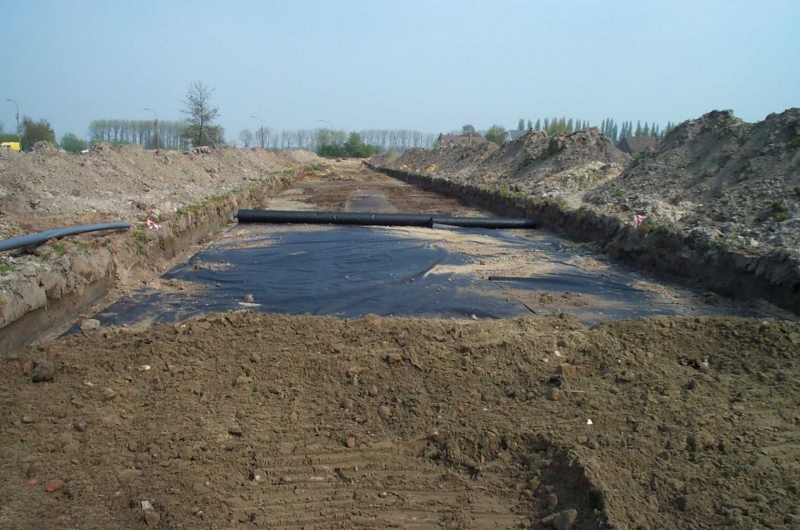
For businesses seeking high-performance solutions, understanding geotextile applications and benefits is essential to achieve safer and more cost-effective results in large-scale engineering projects.
What Is Geotextile and Why It Matters
Geotextiles are permeable fabrics made from synthetic fibers such as polypropylene or polyester. They are engineered to separate, filter, reinforce, protect, or drain soil and other materials in civil engineering applications. By integrating geotextiles into construction projects, companies can achieve significant improvements in safety, performance, and cost-efficiency.
In road construction, geotextiles prevent subgrade settlement and rutting, improving the longevity of pavements. In railway projects, they strengthen the track foundation and enhance train operational safety. In landfills and drainage systems, geotextiles effectively prevent soil loss, facilitate water drainage, and reduce environmental pollution risks.
● Soil stabilization: Geotextiles reinforce weak soils, enabling construction on challenging terrains.
● Erosion control: They protect slopes, embankments, and riverbanks from soil loss.
● Drainage efficiency: Geotextiles allow water to pass through while retaining soil, preventing clogging and flooding.
● Infrastructure longevity: Roads, railways, and embankments last longer with reduced maintenance costs.
Types of Geotextiles and Applications
Choosing the right geotextile depends on project requirements and environmental conditions. The main types include:
● Woven Geotextiles: Made by weaving synthetic fibers, offering high tensile strength for load-bearing applications such as roadbed reinforcement, embankment stabilization, and heavy-load projects.
● Non-Woven Geotextiles: Produced through needle-punching or heat-bonding techniques, providing excellent filtration and drainage, widely used for drainage channels, landfill liners, and slope protection.
● Knitted or Braided Geotextiles: Less common, used in specialized reinforcement applications such as retaining walls, riverbank stabilization, and composite structures.
Each type has distinct mechanical properties, permeability, and durability, allowing businesses to select the most suitable geotextile for specific civil engineering scenarios.
Key Features for B2B Applications
For large-scale infrastructure and civil engineering projects, businesses should consider the following key geotextile features:
● Tensile strength: High-strength geotextiles resist soil movement and heavy loads, essential for roads, railways, and embankments.
● Permeability: Allows water to pass through while maintaining soil integrity, critical for drainage and flood control.
● Durability: Must withstand construction machinery pressure, environmental factors, and long-term wear.
● UV and chemical resistance: Ensures performance in outdoor exposure and complex soil conditions.
● Ease of installation: Lightweight and flexible products reduce labor costs and shorten construction timelines, especially for large-scale deployments.
● Environmental friendliness: High-quality geotextiles can be reused or recycled, supporting sustainable and green construction practices.
Main Benefits of Geotextiles in Infrastructure Projects
Implementing geotextiles in civil engineering and environmental projects provides multiple technical and economic advantages:
● Cost reduction: Geotextiles minimize extensive excavation, reduce fill material needs, and lower maintenance frequency.
● Improved soil performance: Prevents settlement, rutting, slope movement, and soil erosion, ensuring stable structures.
● Enhanced project safety: Reinforces slopes, retaining walls, and embankments, reducing structural failure risk.
● Extended service life: Roads, railways, and embankments last longer, decreasing long-term maintenance costs.
● Sustainability: Controls sediment runoff and environmental degradation, supporting green and sustainable construction practices.
● Versatility: Suitable for roads, railways, drainage channels, landfills, retaining walls, slope protection, and flood control projects.
Installation and Maintenance Best Practices
Proper handling, installation, and maintenance are critical to maximize geotextile performance:
● Clear the construction site of debris, sharp objects, and rocks to prevent damage.
● Overlap geotextile sheets properly and secure edges to prevent displacement.
● Avoid folding or over-stretching during installation to maintain mechanical properties.
● For drainage and protection projects, check seam integrity to ensure proper functionality.
● Inspect regularly, especially after heavy rain or construction activities, and address any damage or displacement immediately.
● Follow manufacturer guidelines for anchoring, trimming, and integration with other civil engineering materials.
Summary
Geotextiles are indispensable in modern civil engineering and infrastructure construction. By enhancing soil stability, preventing erosion, and improving drainage efficiency, they significantly extend the lifespan of roads, railways, embankments, and other critical structures. For B2B companies, investing in high-quality geotextiles can reduce construction costs, minimize maintenance, and improve project safety and sustainability. Selecting the right type and following proper installation and maintenance practices ensures optimal performance and long-term value.
FAQ
Q1: What are the most common applications of geotextiles in construction?
A1: Geotextiles are widely used for soil stabilization, road construction, erosion control, drainage systems, landfill liners, and slope protection projects.
Q2: How do woven and non-woven geotextiles differ in performance?
A2: Woven geotextiles offer high tensile strength for load-bearing applications, while non-woven geotextiles excel in filtration and drainage.
Q3: Can geotextiles withstand harsh environmental conditions?
A3: Yes, high-quality geotextiles are UV-resistant, chemically stable, and durable, making them suitable for exposed outdoor applications.
Q4: How do geotextiles support sustainability in construction?
A4: By reducing soil erosion, controlling sediment runoff, and extending infrastructure lifespan, geotextiles promote environmentally responsible and sustainable construction practices.
Post time: Mar-09-2026