
In construction, landscaping, and civil engineering projects, sourcing the right geotextiles is critical. Cheap geotextile wholesalers play a pivotal role for B2B buyers who need high-quality materials at competitive prices. Selecting the right supplier can significantly reduce project costs, minimize delays, and ensure optimal performance. This guide explores how to evaluate wholesalers, what factors to consider, and how to maximize value without compromising quality.
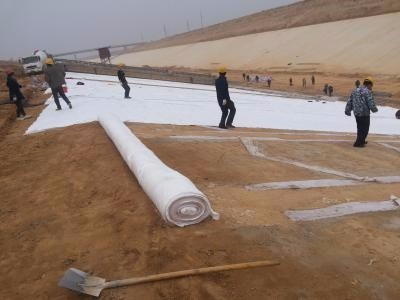
Why Choosing the Right Geotextile Supplier Matters
Partnering with a reliable geotextile wholesaler ensures consistent material quality, on-time delivery, and cost-efficiency. Here’s why it’s essential:
• Project Cost Efficiency: High-quality geotextiles reduce material waste, installation errors, and long-term maintenance costs.
• Performance Assurance: Proper geotextiles meet specific requirements for filtration, drainage, separation, or reinforcement, depending on the application.
• Timely Delivery: Reliable wholesalers guarantee that your materials arrive on schedule, helping keep construction and industrial projects on track.
• Risk Reduction: Sourcing from experienced suppliers minimizes the risk of defective products, regulatory non-compliance, and project delays.
Key Factors When Selecting a Cheap Geotextile Wholesaler
To make informed purchasing decisions, B2B buyers should evaluate the following aspects:
1. Product Quality
• Check tensile strength, elongation, permeability, and durability.
• Ensure the geotextiles comply with recognized industry standards such as ASTM, ISO, or EN.
• Confirm resistance to UV degradation, chemical exposure, and mechanical stress for long-term performance.
2. Range of Products
• Non-woven geotextiles: Ideal for filtration, drainage, and erosion control.
• Woven geotextiles: Provide high tensile strength for soil stabilization, separation, and reinforcement.
• Specialty geotextiles: Designed for waterproofing, slope protection, or industrial applications.
• A supplier with a broad product range allows B2B buyers to consolidate orders, reducing logistics complexity.
3. Pricing and Cost-Effectiveness
• Compare unit prices while factoring in performance, durability, and expected lifespan.
• Consider bulk discounts for large-scale projects or repeat orders.
• Evaluate total cost of ownership, including shipping, installation efficiency, and maintenance requirements.
4. Supplier Reliability
• Look for suppliers with proven experience serving industrial, construction, or landscaping clients.
• Request references, case studies, or testimonials to validate claims.
• Ensure the supplier has adequate production capacity to meet deadlines, especially for large projects.
5. Customization Options
• Ability to provide specific widths, lengths, or material types.
• Custom labeling or packaging can streamline inventory management and project logistics.
• Some suppliers offer pre-cut rolls, stitched seams, or reinforced edges for specialized projects.
Applications of Geotextiles in Various Industries
Cheap geotextile wholesalers supply products that are widely used in different sectors:
• Civil Engineering: Roads, embankments, drainage layers, and subgrade stabilization.
• Landscaping: Soil separation, weed control, slope protection, and garden projects.
• Water Management: Canals, ponds, retaining walls, and filtration systems.
• Industrial Projects: Mining, landfill covers, erosion control, and environmental protection.
Understanding these applications helps B2B buyers select the most suitable product for each project, ensuring functional and cost-effective solutions.
Tips for Maximizing Value from a Cheap Geotextile Wholesaler
• Verify Product Certifications: Confirm compliance with ASTM, ISO, or other international standards.
• Request Samples: Test geotextiles under real-world conditions before bulk purchasing.
• Negotiate Bulk Pricing: Large orders or long-term contracts often provide cost advantages.
• Evaluate Delivery and Support: Efficient logistics and responsive technical guidance reduce project delays.
• Check Sustainability: Many projects now require eco-friendly or recyclable geotextiles, which some wholesalers provide.
Conclusion
Selecting a cheap geotextile wholesaler is not solely about price—it is about balancing cost, quality, reliability, and support. Evaluating supplier capabilities, product performance, and customization options ensures B2B buyers receive the best value for their investment. By working with experienced wholesalers, companies can reduce project risks, enhance operational efficiency, and achieve long-term savings. Ultimately, the right supplier becomes a strategic partner, helping projects succeed from planning through execution.
FAQ
1.How can I ensure a cheap geotextile is still high-quality?
Verify certifications, request samples, and review the supplier’s industry experience.
2.What types of geotextiles are commonly available?
Non-woven for filtration and drainage, woven for reinforcement and separation, and specialty geotextiles for erosion control or waterproofing.
3.Can suppliers provide custom sizes or specifications?
Yes. Many wholesalers offer tailored widths, lengths, and materials to meet project requirements.
4.Why is it important to compare multiple wholesalers?
Comparing helps identify the best balance of price, quality, and reliability, ensuring maximum value and minimizing project risks.
Post time: Dec-12-2025