
Finding a Cheap Geotextile Factory involves more than comparing the price of individual rolls. When a project requires a large quantity of nonwoven geotextile, consistency between rolls is equally important. Differences in weight, thickness, width, or physical properties can affect material handling, installation, and final performance.
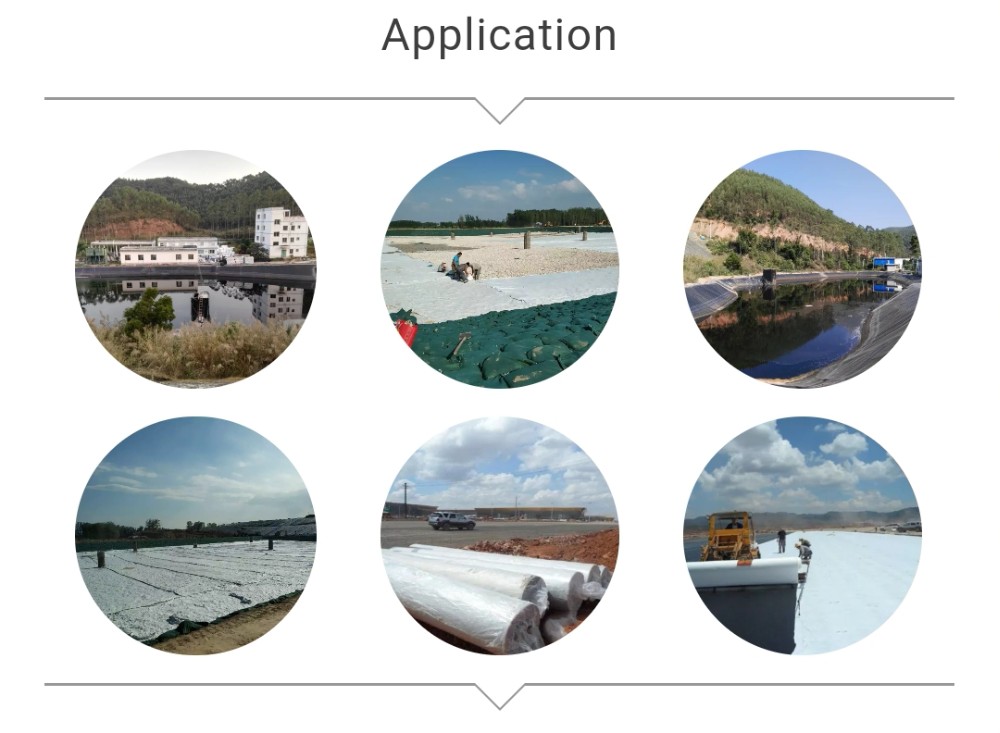
A sample may meet expectations, but the real question is whether the same specifications can be maintained across a bulk order. Understanding what influences roll-to-roll consistency helps avoid unexpected material differences and makes factory evaluation more practical.
What Does Consistency Mean for Nonwoven Geotextile Rolls?
Consistency means that multiple rolls supplied under the same specifications maintain comparable physical characteristics and application performance. It does not require every measurement to be identical, but variations should remain within agreed tolerances.
Several characteristics deserve attention:
Weight per unit area: Usually expressed in grams per square meter (GSM), this indicates the amount of material in a given area. Noticeable differences between rolls may suggest variations in material formation or production conditions.
Thickness: Thickness affects material handling and how the geotextile fits into an installation. Measurements should be taken using a consistent method because testing pressure can influence the result.
Roll width and length: These dimensions determine the available coverage. Inconsistent widths can complicate cutting, overlapping, and installation planning.
Physical properties: Tensile strength, elongation, puncture resistance, and water permeability should be considered according to the intended application. Similar-looking rolls do not necessarily have identical performance.
These characteristics need to be evaluated together. A higher GSM value alone does not guarantee better performance or suitability for a particular project.
Why Can Differences Occur Between Rolls?
Roll-to-roll variation can develop at several stages of production. Understanding these factors helps explain why products with similar descriptions or quoted weights may not deliver the same results.
Raw Material and Fiber Preparation
The characteristics of the fibers used in nonwoven geotextiles influence the finished fabric structure. Differences in raw material or fiber preparation can affect web formation and material uniformity.
If fiber distribution is inconsistent, the finished fabric may show variations in weight, thickness, or strength. Therefore, a product description such as polypropylene or polyester geotextile is not enough to establish whether two products are equivalent.
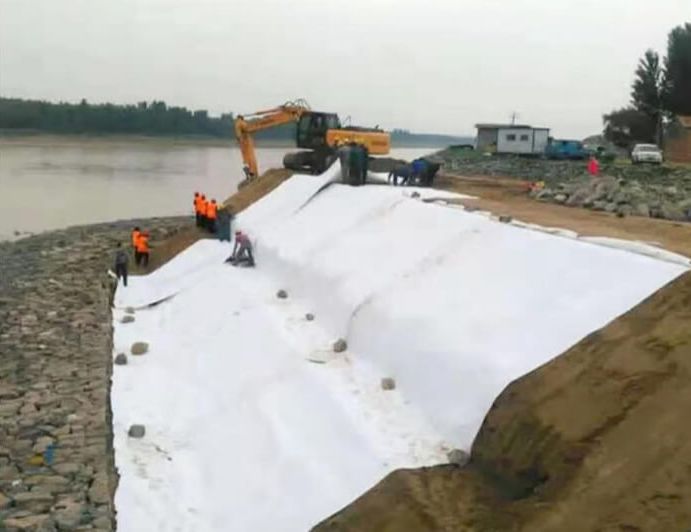
Web Formation and Bonding
During production, fibers are formed into a web and bonded to create a stable fabric structure. Variations in fiber distribution, web formation, or bonding conditions may influence the finished material.
For needle-punched geotextiles, fiber entanglement contributes to fabric stability. Differences in the web structure or needling conditions can affect thickness, density, and mechanical properties.
The important consideration is whether the production process can deliver material that meets the required specifications consistently, rather than whether one individual parameter appears satisfactory.
Slitting and Winding
Consistency also matters when the fabric is converted into finished rolls. Uneven slitting can create width differences, while inconsistent winding may affect roll tightness and edge alignment.
Packaging should also be considered. Inadequate protection during storage or transportation can expose geotextile rolls to damage, moisture, or contamination. These issues may create handling difficulties even when the original fabric meets the required specifications.
How Do Inconsistent Rolls Affect Installation?
The consequences depend on the application, but variations can create practical problems during construction.
If roll widths differ, installation crews may need to adjust cutting and overlapping arrangements. This can increase material waste and make it harder to maintain consistent coverage across a project area.
Differences in thickness and fabric structure may also affect how the material is handled and placed. In drainage or filtration applications, changes in relevant physical properties can be more significant than visual differences because the geotextile must perform its intended separation, filtration, or protection function.
This does not mean every minor measurement difference makes a product unsuitable. The key is whether the variation remains within acceptable limits and whether the material still meets the project’s engineering requirements.
What Specifications Should Be Confirmed Before Ordering?
A quotation based only on the term nonwoven geotextile is not detailed enough for a meaningful comparison. Before requesting prices from a Cheap Geotextile Factory, establish clear specifications that can be used for both sample evaluation and bulk production.
The following information is particularly useful:
- Material type: Confirm whether the required geotextile is made from polypropylene (PP) or polyester (PET), where applicable.
- GSM: Specify the required weight per square meter and clarify acceptable tolerances.
- Roll dimensions: Confirm the required width, length, and roll format.
- Performance requirements: Identify relevant properties such as tensile strength, elongation, puncture resistance, and water permeability.
- Application conditions: Explain whether the material is intended for drainage, filtration, separation, reinforcement, or protection.
Different applications require different combinations of properties. For example, a drainage filter needs appropriate filtration and water flow characteristics, while a separation application may place greater emphasis on mechanical performance.
A clear specification prevents comparisons based only on GSM or price. Neither factor alone can determine whether a product is suitable for a particular project.
Does an Approved Sample Guarantee Consistent Bulk Production?
An approved sample is an important reference, but it should not automatically be treated as proof that every subsequent roll will be identical.
A sample represents a limited quantity of material, while bulk orders may involve multiple production runs. The sample and delivered products should therefore be compared using the same agreed specifications and measurement methods.
Before confirming an order, clarify how the approved product is identified and what variation is acceptable. It is also important to confirm that the quoted specifications apply to the entire order, not just the sample.
For larger orders, inspecting selected rolls from the delivered batch can provide additional confidence. Checks should focus on the characteristics that matter most to the application, including GSM, dimensions, and relevant physical properties.
How to Evaluate a Factory Beyond the Quoted Price
A low quotation may appear attractive, but the price should be assessed alongside product specifications and material consistency.
Two factories may quote different prices for products described as the same type of nonwoven geotextile. However, the comparison is not meaningful if their material types, GSM tolerances, roll dimensions, or performance requirements differ.
When evaluating a Cheap Geotextile Factory, consider these questions:
- Does the quotation clearly state the material type, GSM, width, length, and required specifications?
- Can the factory provide a sample matching the proposed product?
- Are acceptable tolerances and inspection requirements discussed before ordering?
- Can the factory explain how finished roll dimensions and product characteristics are checked?
- Are packaging and transportation arrangements suitable for the order?
These points help distinguish a cost-effective product from one that appears inexpensive because important specifications have not been defined.
The total material cost should also account for potential losses caused by unsuitable specifications, inconsistent rolls, additional cutting, and installation adjustments. A lower unit price may not represent real savings if the material creates avoidable work on site.
Choosing Nonwoven Geotextile for Your Project
The right nonwoven geotextile should match its intended function, installation conditions, and required physical properties. Price is one consideration, but it should not replace a technical comparison.
Vinner provides geotextile products for construction-related applications, including nonwoven geotextile materials. When discussing a project, providing the intended application, material type, GSM, roll dimensions, and performance expectations can help clarify which product specifications should be considered and make quotation comparisons more meaningful.
Conclusion
Choosing a Cheap Geotextile Factory requires more than finding the lowest price per roll. For projects involving multiple rolls, consistency in weight, thickness, dimensions, and application-related properties can influence material handling and installation results.
By defining specifications before ordering, comparing samples with bulk requirements, and evaluating factories beyond their quotations, users can make more informed decisions and reduce the risk of receiving geotextile rolls that do not meet project expectations.
FAQ
1. Why is roll-to-roll consistency important for nonwoven geotextiles?
It helps maintain predictable material dimensions and physical properties across an installation. Significant differences may complicate handling, cutting, overlapping, or application performance.
2. Is higher GSM always better for nonwoven geotextile?
No. GSM indicates the material’s weight per unit area, but it does not independently determine suitability. It should be considered alongside strength, filtration properties, thickness, and application conditions.
3. What information should I provide when requesting a geotextile quotation?
Provide the material type, GSM, roll width, roll length, intended application, and relevant performance requirements. Clear specifications make it easier to compare quotations and determine whether the proposed product meets project needs.
Post time: Nov-24-2026