
In civil engineering and construction projects, water management is a critical factor that directly affects structural stability and long-term performance. One common question raised by engineers, contractors, and B2B buyers is: Can water go through geotextile fabric? The answer is yes—but the mechanism and performance depend on the type, structure, and application of the fabric.
Understanding how geotextile fabric interacts with water is essential for selecting the right material for drainage, filtration, and soil stabilization systems. This article provides a comprehensive explanation tailored for professionals seeking reliable and cost-effective solutions.
What Is Geotextile Fabric and How Does It Work?
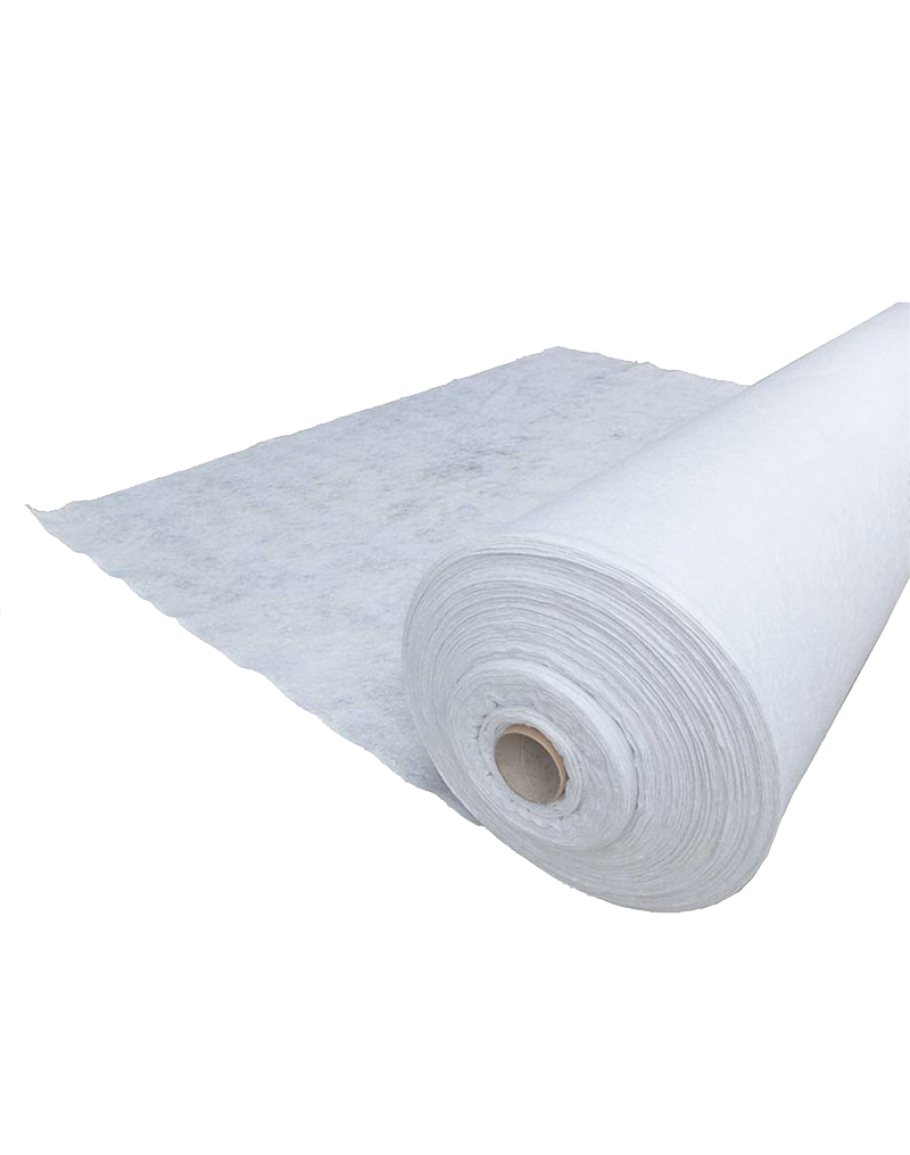
Geotextile fabric is a permeable synthetic textile material commonly made from polypropylene (PP) or polyester (PET). It is designed to be used in contact with soil and plays multiple roles in engineering applications, including separation, filtration, drainage, reinforcement, and protection.
The key function related to water flow is permeability. Unlike impermeable membranes, geotextiles allow water to pass through while retaining soil particles. This dual functionality makes them highly valuable in drainage systems and erosion control.
There are three main types of geotextile fabrics, each with different water permeability characteristics:
● Woven Geotextile Fabric
Made by weaving polypropylene tapes or filaments, this type offers high tensile strength but relatively lower permeability compared to non-woven options.
● Non-Woven Geotextile Fabric
Produced by bonding fibers through needle punching or heat, non-woven geotextiles provide excellent water permeability and filtration performance.
● Knitted Geotextile Fabric
Less common but combines flexibility and moderate strength with acceptable permeability.
Can Water Pass Through Geotextile Fabric?
Yes, water can pass through geotextile fabric. In fact, this is one of its most important functional properties. However, the rate and efficiency of water flow depend on several technical parameters such as pore size, thickness, and manufacturing method.
Geotextile fabrics are engineered to achieve a balance between permeability and filtration. This means they allow water to flow while preventing soil particles from being washed away.
● Permeability Mechanism
Water flows through microscopic pores within the fabric structure. These pores are carefully designed to control the flow rate.
● Filtration Function
While water passes through, soil particles are retained, preventing clogging and maintaining soil stability.
● Hydraulic Performance
High-quality geotextiles maintain consistent permeability even under pressure and long-term use.
Key Factors Affecting Water Permeability
Not all geotextile fabrics perform the same. For B2B procurement and engineering design, understanding the factors that influence water flow is essential.
● Material Type (PP vs PET)
Polypropylene geotextiles generally offer better chemical resistance and stable permeability in harsh environments.
● Fabric Structure
Non-woven fabrics typically have higher permeability, while woven fabrics focus more on strength.
● Pore Size (Apparent Opening Size, AOS)
The size of openings determines how easily water can pass and which soil particles are retained.
● Thickness and Density
Thicker fabrics may slow water flow but improve filtration and durability.
● Installation Conditions
Compaction, soil pressure, and environmental conditions can affect long-term permeability.
Applications Where Water Permeability Is Critical
Geotextile fabrics are widely used in applications where controlled water flow is necessary. Their ability to allow water passage while stabilizing soil makes them indispensable in modern infrastructure.
● Drainage Systems
Used in French drains, subsurface drainage, and retaining walls to allow water flow while preventing soil clogging.
● Road Construction
Placed between soil layers to improve drainage and prevent water accumulation that can weaken road foundations.
● Landfill Engineering
Acts as a filtration layer to separate waste and soil while allowing leachate to pass through controlled systems.
● Erosion Control Projects
Helps manage water flow on slopes and riverbanks, reducing soil displacement.
● Agricultural and Landscaping Applications
Used in irrigation systems and landscaping to maintain proper water distribution and soil separation.
Advantages of Using Permeable Geotextile Fabric
For contractors, distributors, and project developers, selecting geotextile fabric with proper water permeability offers multiple operational benefits.
● Improved Drainage Efficiency
Prevents water accumulation and reduces hydrostatic pressure in structures.
● Soil Stability Maintenance
Keeps soil in place while allowing water to pass, preventing erosion and structural failure.
● Reduced Maintenance Costs
Efficient filtration minimizes clogging and extends the lifespan of drainage systems.
● Enhanced Infrastructure Durability
By controlling water flow, geotextiles protect roads, retaining walls, and foundations from water-related damage.
● Adaptability Across Projects
Suitable for a wide range of industries including construction, environmental engineering, and agriculture.
Choosing the Right Geotextile for Water Permeability
Selecting the correct geotextile fabric requires balancing permeability with strength and filtration requirements. B2B buyers should evaluate project-specific needs before making procurement decisions.
● Assess Soil Type
Fine soils require smaller pore sizes, while coarse soils allow for higher permeability fabrics.
● Determine Flow Rate Requirements
High drainage systems require non-woven fabrics with higher permeability.
● Consider Load and Strength Needs
For heavy-load applications like roads, woven geotextiles may be preferred despite lower permeability.
● Evaluate Environmental Conditions
Chemical exposure, UV resistance, and temperature variations should be considered.
Conclusion
So, can water go through geotextile fabric? The answer is clearly yes—and this permeability is one of the most valuable characteristics of geotextiles in modern engineering. By allowing water to pass through while retaining soil particles, geotextile fabrics provide an effective solution for drainage, filtration, and soil stabilization.
For B2B buyers and project engineers, understanding the relationship between permeability, material type, and application is essential for selecting the right product. With proper selection and installation, geotextile fabric can significantly improve project performance, reduce maintenance costs, and enhance long-term infrastructure durability.
FAQ
1. Does all geotextile fabric allow water to pass through?
Yes, most geotextile fabrics are designed to be permeable, but the level of water flow varies depending on the type and structure of the fabric.
2. Which type of geotextile has the best water permeability?
Non-woven geotextile fabric generally offers the highest permeability, making it ideal for drainage and filtration applications.
3. Can geotextile fabric get clogged over time?
If not properly selected, geotextile fabric can clog due to fine soil particles. Choosing the correct pore size and material helps minimize this risk.
4. Is geotextile fabric suitable for drainage systems?
Yes, geotextile fabric is widely used in drainage systems because it allows water to flow through while preventing soil from entering and blocking the system.
Post time: Mar-23-2026