
Polypropylene (PP) geotextile fabric has become an essential material in civil engineering and construction projects, offering a wide range of benefits for soil stabilization, erosion control, and drainage management. With its versatile properties, PP geotextile fabric plays a vital role in reinforcing structures, improving soil performance, and extending the lifespan of infrastructure projects. This article explores the numerous advantages of using PP geotextile fabric, highlighting its importance in modern construction practices.
What is PP Geotextile Fabric?
PP geotextile fabric is a synthetic material made from polypropylene fibers that are woven, non-woven, or knitted together to form a durable and flexible fabric. It is primarily used in civil engineering applications for separating, reinforcing, filtering, draining, and protecting various structures. Its strength, durability, and cost-effectiveness make it ideal for use in a range of applications, from road construction and landfills to drainage systems and slope stabilization.
The three main types of PP geotextile fabric include:
l Woven Geotextiles: Made from polypropylene threads woven together, these geotextiles are designed for high tensile strength and durability.
l Non-Woven Geotextiles: Produced by bonding polypropylene fibers together, these geotextiles are known for their superior filtration and drainage capabilities.
l Knitted Geotextiles: This type combines the best qualities of woven and non-woven fabrics, offering both strength and flexibility.
Key Advantages of PP Geotextile Fabric
PP geotextile fabric offers a range of advantages that make it indispensable in modern civil engineering and construction projects. These benefits include its durability, strength, environmental compatibility, and ease of use.
1. High Strength and Durability
One of the most significant advantages of PP geotextile fabric is its excellent tensile strength. Polypropylene fibers are designed to withstand heavy loads, making them ideal for applications where soil reinforcement and load distribution are critical. Whether used in road construction, landfill liners, or coastal erosion control, PP geotextile fabric is capable of handling substantial stress and pressure without deteriorating.
PP geotextile fabrics are also resistant to abrasion and mechanical wear, ensuring a long lifespan even in challenging environments. This durability minimizes the need for frequent repairs or replacements, making it a cost-effective solution for construction projects.
2. Improved Soil Stability and Reinforcement
PP geotextile fabric is widely used to improve soil stability, particularly in areas where the soil is weak or prone to shifting. By reinforcing the soil structure, it helps prevent soil erosion and compaction. The fabric acts as a stabilizing layer, ensuring that the ground beneath construction projects remains intact and secure.
In road construction, for example, PP geotextile fabric is often placed between layers of soil to enhance their strength and load-bearing capacity. This prevents roadways from cracking or sinking over time, ensuring that the infrastructure remains safe and durable for years to come.
3. Effective Filtration and Drainage
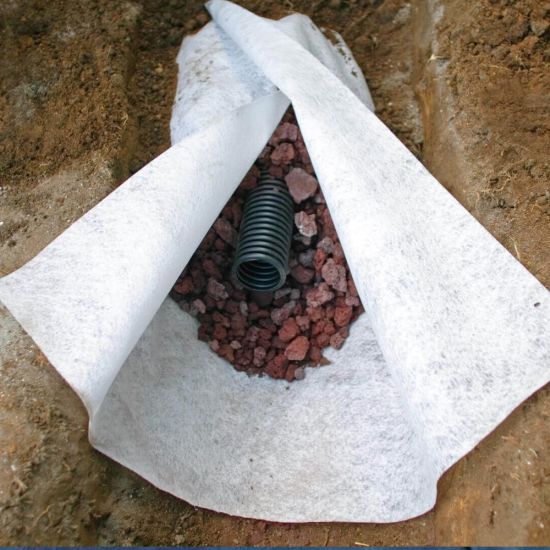
Another key advantage of PP geotextile fabric is its excellent filtration and drainage capabilities. The fabric allows water to flow through while trapping soil particles, which prevents sedimentation and clogging of drainage systems. This property makes it particularly useful in drainage applications such as retaining walls, drainage trenches, and stormwater management systems.
The ability to filter out fine particles while allowing water to flow freely helps maintain soil integrity, reduces the risk of flooding, and ensures that drainage systems operate efficiently. PP geotextile fabric is also commonly used in landfills to separate waste materials from the underlying soil, preventing contamination and facilitating proper waste management.
4. Erosion Control
Soil erosion is a significant concern in many construction projects, particularly in areas with steep slopes, waterways, or coastal regions. PP geotextile fabric plays a crucial role in preventing soil erosion by providing a protective barrier that holds the soil in place. When used in slope stabilization projects, it helps reduce the impact of wind and water erosion, keeping the soil intact and preventing landslides or washouts.
In addition to reinforcing the soil, PP geotextile fabric also promotes vegetation growth, as the fabric provides a stable base for plants and grass to take root. This makes it an effective solution for preventing erosion while simultaneously promoting environmental restoration.
5. Cost-Effective Solution
PP geotextile fabric offers a highly cost-effective solution for construction projects. Its durability and strength reduce the need for expensive materials and labor, making it an economical choice for a variety of applications. Moreover, the long lifespan of PP geotextile fabric minimizes maintenance and replacement costs, leading to long-term savings for project developers and contractors.
The fabric is lightweight, easy to transport, and quick to install, which further reduces construction time and labor costs. This makes it an attractive option for large-scale projects that require a cost-efficient yet reliable solution for soil stabilization, erosion control, and drainage.
6. Environmentally Friendly
Polypropylene is a non-toxic and environmentally friendly material, making PP geotextile fabric an eco-conscious choice for construction and civil engineering projects. It does not release harmful chemicals into the soil or water, making it suitable for use in environmentally sensitive areas, such as wetlands or near bodies of water.
In addition, PP geotextile fabric is 100% recyclable, contributing to sustainability efforts in construction. By using geotextiles made from recyclable materials, construction projects can reduce their environmental footprint and contribute to a more sustainable future.
7. Versatile Applications
PP geotextile fabric is highly versatile and can be used in a wide range of applications. Some of the most common uses of PP geotextiles include:
l Road Construction: Enhancing the strength and durability of road foundations by providing soil stabilization and drainage.
l Landfill Liners: Separating waste from the underlying soil and preventing contamination of groundwater.
l Coastal Erosion Control: Stabilizing shorelines and preventing erosion in coastal areas.
l Slope Stabilization: Reducing soil movement on steep slopes and preventing landslides.
l Retaining Walls: Improving drainage and reducing hydrostatic pressure behind retaining walls.
The adaptability of PP geotextile fabric to various construction and environmental needs makes it an indispensable material for modern civil engineering projects.
Conclusion
PP geotextile fabric offers a wide range of advantages that make it a valuable material in civil engineering and construction projects. Its high strength, durability, filtration capabilities, and effectiveness in erosion control and soil stabilization make it an ideal solution for infrastructure development, environmental protection, and drainage management.
Whether you’re involved in road construction, landfill design, or slope stabilization, PP geotextile fabric provides an affordable, durable, and environmentally friendly option that enhances the performance and longevity of your project. As the demand for sustainable and cost-effective construction materials continues to grow, the importance of PP geotextile fabric in the industry is likely to increase, cementing its place as a critical component of modern civil engineering.
FAQ
1. What is PP geotextile fabric used for in construction?
PP geotextile fabric is commonly used for soil stabilization, erosion control, drainage, and reinforcing structures in construction projects such as roads, landfills, and retaining walls.
2. How does PP geotextile fabric help with drainage?
The fabric allows water to pass through while trapping soil particles, preventing clogging and ensuring efficient water flow in drainage systems.
3. Is PP geotextile fabric environmentally friendly?
Yes, PP geotextile fabric is non-toxic, recyclable, and does not release harmful chemicals into the environment, making it an environmentally friendly material for construction.
4. What are the benefits of using PP geotextile fabric for erosion control?
PP geotextile fabric provides a protective barrier that prevents soil erosion, reduces the impact of wind and water, and promotes vegetation growth, making it an effective solution for slope stabilization and coastal erosion control.
Post time: Mar-18-2026