
Geotextile Fabric is widely used in road construction, gravel driveways, drainage systems, landscaping projects, and ground stabilization applications. As an engineered textile material placed between soil layers and construction materials, geotextile fabric helps improve structural stability by providing separation, filtration, and reinforcement functions.
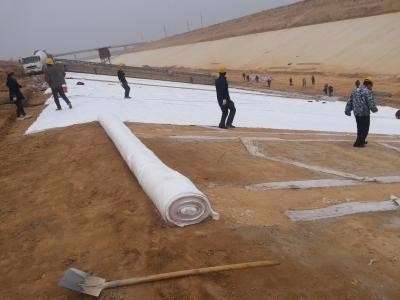
However, the performance of geotextile fabric is not determined only by the quality of the material itself. In many projects, problems appear because of incorrect installation methods, unsuitable material selection, or a lack of understanding of site conditions.
Once covered by soil, gravel, or other construction layers, geotextile fabric becomes difficult to inspect or replace. Therefore, understanding common installation problems before construction can help improve the long-term reliability of the entire ground structure.
How Does Geotextile Fabric Work in Ground Applications?
Geotextile fabric works as a functional layer between different materials. It is not simply a fabric placed on the ground surface, but a material designed to control the interaction between soil, water, and aggregate.
Depending on the application, geotextile fabric can provide several important functions:
- Soil separation: Geotextile fabric prevents fine soil particles from mixing with gravel or aggregate layers. This helps maintain the original structure of the base layer and reduces settlement caused by material migration.
- Filtration and drainage support: In drainage applications, geotextile fabric allows water to pass through while limiting the movement of soil particles. This helps maintain drainage channels and reduces the risk of clogging.
- Ground reinforcement: In areas with weak soil conditions or repeated loading, geotextile fabric can help distribute stress and improve the stability of the surface structure.
Because different projects require different functions, proper installation and correct material selection are essential for achieving expected performance.
Installation Issues That Can Reduce Geotextile Fabric Performance
1. Installing Geotextile Fabric Without Proper Ground Preparation
The condition of the installation surface has a direct impact on the performance of geotextile fabric. A common problem is placing the fabric directly over sharp stones, roots, construction debris, or highly uneven ground without proper preparation.
These irregular surfaces can create concentrated pressure points during installation or after the upper layers are added. Over time, this may affect the integrity of the fabric and reduce its ability to maintain separation between soil and aggregate.
Before installation, the ground should be reasonably prepared by removing sharp objects, reducing uneven areas, and creating a stable base. A suitable foundation allows the geotextile fabric to maintain better contact with the ground and perform more consistently.
2. Selecting Geotextile Fabric Based Only on Thickness
One of the most common misunderstandings about geotextile fabric is that a thicker material will always provide better performance. In reality, thickness is only one factor among several important characteristics.
Different applications require different performance combinations:
|
Application |
Key Requirements |
| Gravel driveway and road base | Strength, puncture resistance, separation ability |
| Drainage projects | Filtration performance and water flow capability |
| Landscaping areas | Separation and long-term ground management |
| Soft soil stabilization | Tensile strength and durability |
For example, a drainage project may require better filtration and permeability, while a driveway reinforcement application may place more importance on strength and resistance to mechanical stress.
Choosing geotextile fabric should therefore be based on the actual working environment rather than a single specification.
3. Ignoring Overlap and Coverage During Installation
Large construction areas often require multiple rolls of geotextile fabric to cover the entire surface. The connection between fabric sections is an important part of maintaining overall performance.
If the overlap between sections is insufficient or the fabric shifts during installation, gaps may appear. These weak points can allow soil particles to move into aggregate layers, reducing the separation effect.
Proper planning of fabric placement, overlap distance, and fixing methods helps maintain continuous coverage. This is particularly important in applications exposed to vehicle loads, water movement, or long-term soil pressure.
4. Damaging Geotextile Fabric During Construction
Although geotextile fabric is designed for long-term underground use, the installation process itself can affect its final performance.
Common causes of damage include heavy equipment moving directly over exposed fabric, contact with sharp materials, and leaving installed fabric uncovered for extended periods.
These issues may not always be visible immediately, but small tears or weak areas can reduce the overall effectiveness of the material after the project is completed.
Protecting the geotextile fabric during construction and covering it with the next material layer in a timely manner helps preserve its original performance.
5. Selecting Geotextile Fabric Without Considering Site Conditions
Every project has different environmental conditions, and these factors directly influence the suitable type of geotextile fabric.
Important considerations include:
- Soil type and particle size
- Ground moisture conditions
- Expected traffic or loading pressure
- Drainage requirements
- Required service life
For example, a residential landscape pathway and a heavy-duty gravel driveway may use geotextile fabric in different ways. A material designed for light landscaping applications may not provide the required performance in areas exposed to repeated vehicle loads.
Understanding the actual conditions of the site is essential for selecting a suitable geotextile solution.
How to Improve the Long-Term Performance of Geotextile Fabric?
The performance of geotextile fabric depends on the combination of suitable material selection and proper installation practices.
Important factors include:
- Choosing a geotextile structure that matches the application requirements
- Preparing the ground before installation
- Maintaining continuous coverage between fabric sections
- Protecting the material during construction
- Considering future environmental changes and loading conditions
When correctly applied, geotextile fabric becomes an important part of the overall ground system, helping maintain stability and reduce long-term maintenance requirements.
Vinner Geotextile Fabric
Vinner provides PET and PP Geotextile Fabric solutions for road construction, gravel driveway reinforcement, drainage systems, landscaping projects, and soil stabilization applications.
The products are available with different material options, GSM weights, roll widths, and customized specifications to meet different project requirements.
Through suitable material selection and professional manufacturing processes, Vinner geotextile fabric helps provide reliable separation, filtration, and reinforcement performance for various ground applications.
FAQ
What is geotextile fabric mainly used for?
Geotextile fabric is mainly used for soil separation, filtration, drainage support, and ground stabilization. It helps maintain the structure between soil and aggregate layers in applications such as roads, driveways, drainage systems, and landscaping projects.
Why can incorrect installation reduce geotextile fabric performance?
Incorrect installation can affect the way geotextile fabric interacts with soil and aggregate. Problems such as poor ground preparation, insufficient overlap, or construction damage may reduce its ability to provide separation, filtration, or reinforcement.
Is a higher GSM geotextile fabric always the better choice?
Not always. A suitable GSM depends on the specific application, soil conditions, expected loads, and required performance. Different projects require different combinations of strength, permeability, and durability.
Can geotextile fabric help improve gravel driveway stability?
Yes. When properly selected and installed, geotextile fabric can help prevent soil and gravel from mixing, reduce uneven settlement, and improve the long-term stability of gravel surfaces.
Post time: Aug-21-2026