
PP nonwoven fabric has become one of the most widely used industrial materials across agriculture, construction, environmental engineering, and packaging industries due to its unique balance of strength, flexibility, cost efficiency, and functional performance. As global industries continue to demand lightweight yet durable materials that can perform under harsh conditions, polypropylene-based nonwoven fabrics have established themselves as a reliable solution in both temporary and long-term applications.
Unlike traditional woven textiles, PP nonwoven fabric is engineered through mechanical, thermal, or chemical bonding of polypropylene fibers, creating a structure that does not rely on weaving or knitting. This allows manufacturers to produce materials with controlled properties tailored for specific industrial needs, making it highly adaptable across different sectors.
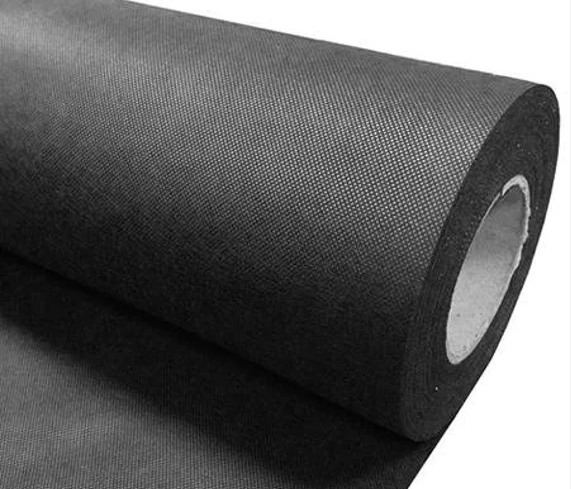
What Is PP Nonwoven Fabric?
PP nonwoven fabric is a type of engineered textile made from polypropylene polymer fibers that are bonded together without weaving. The structure is formed through processes such as needle punching, thermal bonding, or spunbond technology, which create a web-like material with consistent strength and permeability characteristics.
This material is widely used because it combines lightweight construction with excellent durability and resistance to moisture, chemicals, and environmental stress. It can be produced in various thicknesses, densities, and surface finishes depending on the intended application, which makes it suitable for agriculture, construction, filtration systems, and industrial packaging.
Key characteristics of PP nonwoven fabric include:
● Lightweight structure with high tensile stability
● Excellent resistance to moisture and chemical exposure
● Customizable density and thickness for different applications
● Breathability combined with filtration capability
● Cost-efficient production for large-scale industrial use
Why PP Nonwoven Fabric Is Widely Used in Agriculture
Agriculture is one of the largest application areas for PP nonwoven fabric because modern farming requires materials that can improve crop yield, protect soil, and reduce environmental impact while maintaining cost efficiency.
Soil protection and weed control
One of the most important agricultural uses of PP nonwoven fabric is in ground coverage systems where it helps control weed growth and protect soil structure.
● Prevents sunlight from reaching weed seeds, reducing unwanted plant growth
● Maintains soil moisture by reducing evaporation
● Improves soil temperature stability for better crop development
By acting as a physical barrier, the fabric reduces the need for chemical herbicides and supports more sustainable farming practices.
Crop protection and agricultural coverage
PP nonwoven fabric is also widely used as crop covers in both open-field and greenhouse farming environments.
● Protects crops from frost, wind, and heavy rainfall
● Reduces damage caused by insects and birds
● Helps create a controlled microclimate for faster plant growth
This makes it especially useful in regions with unpredictable weather conditions where crop protection is essential for maintaining yield stability.
Drainage and soil stabilization
Agricultural land often requires proper drainage systems to avoid waterlogging and soil erosion.
● Allows water to pass through while retaining soil particles
● Prevents soil erosion in sloped or irrigated farmland
● Enhances root development by improving oxygen flow in soil
Because of its permeability, PP nonwoven fabric plays an important role in maintaining healthy soil conditions over long cultivation periods.
Why PP Nonwoven Fabric Is Important in Construction
In construction engineering, PP nonwoven fabric is widely used as a geosynthetic material that enhances structural stability, improves drainage performance, and extends the lifespan of infrastructure projects.
Road and highway engineering applications
One of the most common uses of PP nonwoven fabric in construction is in road base reinforcement and separation layers.
● Prevents mixing of soil layers and aggregate materials
● Improves load distribution across road surfaces
● Reduces deformation and cracking in pavement structures
By maintaining separation between soil and aggregate layers, the fabric significantly improves road durability and reduces long-term maintenance costs.
Drainage systems and filtration layers
Construction projects often require effective drainage systems to manage groundwater and surface water flow.
● Allows water to pass through while filtering fine soil particles
● Prevents clogging in drainage pipes and gravel layers
● Maintains long-term drainage efficiency in infrastructure systems
This makes PP nonwoven fabric a critical component in retaining walls, tunnels, and underground structures.
Foundation protection and soil reinforcement
In foundation engineering, stability is essential for ensuring long-term structural safety.
● Enhances soil strength under building foundations
● Reduces settlement and uneven ground movement
● Improves load-bearing capacity of weak soil areas
Its reinforcing properties help engineers build safely on challenging ground conditions.
Manufacturing Advantages That Increase Its Popularity
The widespread adoption of PP nonwoven fabric is also driven by its efficient manufacturing process and scalable production capabilities.
Efficient production technology
● Spunbond and needle-punching processes allow continuous production
● High-speed manufacturing reduces production cost per unit
● Enables large-scale supply for infrastructure and agricultural projects
Material flexibility and customization
● Can be produced in different weights, thicknesses, and densities
● Allows customization for specific engineering or agricultural requirements
● Suitable for both light-duty and heavy-duty applications
Environmental and economic efficiency
● Reduces need for chemical weed control in agriculture
● Extends lifespan of construction structures, reducing repair costs
● Supports sustainable material usage in modern engineering projects
Key Performance Benefits Across Industries
PP nonwoven fabric offers a combination of physical and functional advantages that make it suitable for multiple industries.
● High durability under mechanical stress and environmental exposure
● Resistance to chemicals, moisture, and biological degradation
● Lightweight structure for easy transportation and installation
● Cost-effective solution for large-scale industrial applications
These advantages explain why it continues to replace traditional materials in many sectors.
Global Market Demand and Industry Trends
The demand for PP nonwoven fabric continues to grow globally due to increasing infrastructure development and modern agricultural practices.
● Expansion of road and railway construction projects worldwide
● Rising demand for sustainable agricultural materials
● Growth of geotechnical engineering applications
● Increasing focus on cost-efficient and long-lasting materials
● Adoption in environmental protection and waste management systems
As industries move toward more efficient and sustainable solutions, PP nonwoven fabric is expected to remain a core material in both agriculture and construction sectors.
Conclusion
PP nonwoven fabric has become a critical material in both agriculture and construction due to its versatility, durability, and cost-effectiveness. In agriculture, it improves crop protection, soil stability, and weed control, while in construction, it enhances structural reinforcement, drainage efficiency, and long-term durability of infrastructure systems.
Its scalable production, customizable properties, and strong performance characteristics make it one of the most important industrial materials in modern engineering and agricultural development. As global demand continues to rise, PP nonwoven fabric will play an even greater role in supporting sustainable and efficient industry practices.
FAQ
1、What is PP nonwoven fabric used for in agriculture?
It is used for weed control, crop protection, soil moisture retention, and improving drainage in agricultural land.
2、Why is PP nonwoven fabric important in construction?
It is widely used for soil separation, road reinforcement, drainage systems, and foundation stabilization in civil engineering projects.
3、Is PP nonwoven fabric waterproof?
PP nonwoven fabric is not fully waterproof, but it has excellent water permeability, allowing water to pass while filtering soil particles.
4、What makes PP nonwoven fabric cost-effective?
It is cost-effective due to efficient mass production processes, low raw material cost, and long service life in both agricultural and construction applications.
Post time: May-29-2026