
A car wash mat with raised edges is designed to solve one simple but common problem: how to keep water, mud, soap, snow, and road dirt under control during vehicle washing or parking. Unlike a flat floor cover, this type of mat creates a contained area around the vehicle, helping users manage liquid runoff and protect the floor surface more effectively.
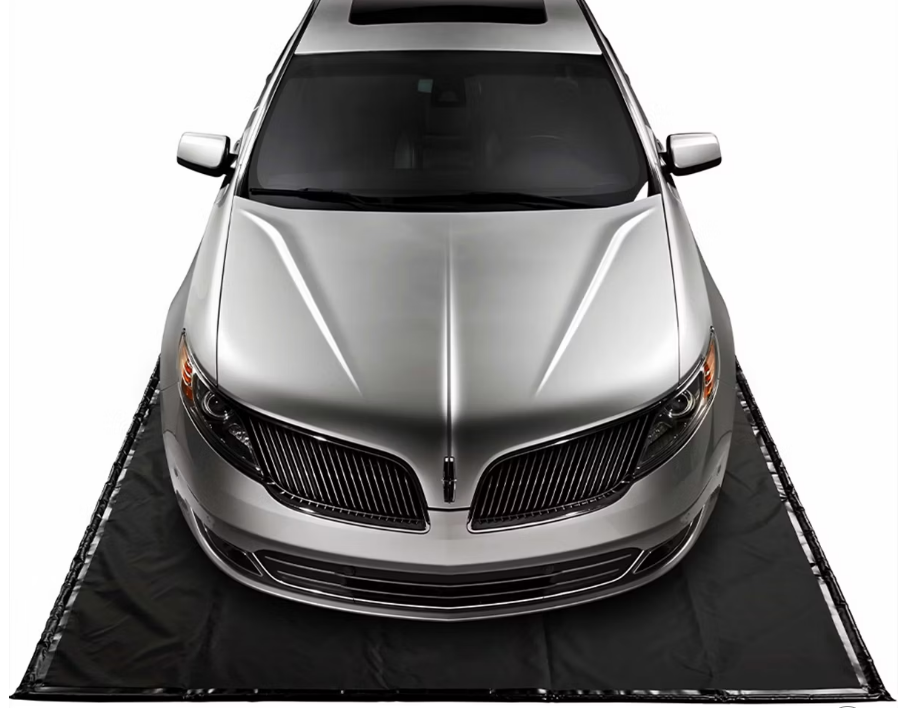
For homeowners, mobile detailers, auto care shops, and garage users, the value of a car wash mat is not only in covering the ground. Its real performance depends on the material, edge design, waterproof structure, size, surface strength, and ease of cleaning. A good car wash containment mat should be durable enough for repeated use, flexible enough for convenient handling, and practical enough to make cleaning work easier.
Raised Edges Are the Key Design
The most important feature of a car wash mat with raised edges is its containment structure. During car washing, water does not stay in one place. It flows from the vehicle body, tires, wheels, and undercarriage, carrying mud, sand, soap, and cleaning residue. Without a raised edge, this dirty water can quickly spread across the garage floor or driveway.
Raised edges help create a shallow containment area. They keep liquid inside the mat and reduce uncontrolled runoff. This is especially useful when washing a car indoors, working in a customer’s driveway, or protecting a garage floor from melted snow and road salt.
Different mats may use different edge designs. Some use foam borders, some use reinforced raised seams, and some use inflatable or fixed side barriers. For buyers, the key is to choose an edge structure that is stable, easy to use, and suitable for the amount of water expected during cleaning.
Why PVC Material Is Commonly Used
PVC-coated fabric is widely used for car wash mats because it offers a good balance of waterproof performance, flexibility, and durability. A car wash mat needs to resist water, dirt, light chemicals, shoe friction, tire contact, and repeated folding or rolling. PVC material is suitable for these requirements because it can form a strong waterproof layer while remaining practical for daily handling.
A PVC car wash containment mat is also relatively easy to clean. After washing a vehicle, users can remove water and debris, rinse the surface, and allow it to dry before storage. Compared with absorbent materials, PVC does not easily hold water inside the fabric, which makes it more suitable for containment and repeated use.
When evaluating PVC material, buyers should consider thickness, coating quality, surface texture, and welding or sealing details. A thin or poorly coated mat may wear out quickly, while a well-made mat can provide better service life and more stable water control.
Waterproof Construction Matters
A car wash mat is not useful if water leaks through the bottom or escapes from weak seams. Therefore, waterproof construction is an important part of product quality. The mat surface should prevent liquid from passing through, and the seams or welded areas should be strong enough to handle water pressure and movement during use.
In real washing conditions, users may step on the mat, move around the vehicle, drag hoses, and rinse different parts of the car. These actions create pressure and movement on the mat surface. If the construction is weak, cracks, leaks, or edge failure may appear after repeated use.
A reliable water containment mat for car washing should maintain its shape and sealing performance during normal use. For buyers, checking material bonding, edge sealing, and overall workmanship is just as important as checking the size.
Size Should Match the Vehicle and Use
Choosing the right size is one of the most practical decisions when buying a car wash mat. A mat that is too small may not catch water splashing from the sides of the vehicle. A mat that is too large may be harder to move, clean, and store.
For small cars, a medium-sized mat may be enough. For SUVs, pickup trucks, or larger vehicles, buyers should choose a larger car wash mat to cover the vehicle footprint and surrounding washing area. Mobile detailers may prefer a size that balances coverage and portability, while garage users may prefer a size that fits their parking space.
The best size depends on the vehicle type, available floor area, and washing method. If high-pressure rinsing is used, extra coverage around the vehicle can help contain more splash and runoff.
Surface Texture and Safety
A good car wash mat should not only hold water but also provide a safer working surface. During washing, the mat may become wet and soapy. If the surface is too smooth, it may become slippery. Surface texture can help improve grip and reduce the risk of slipping during use.
The surface should also resist abrasion from shoes, tires, brushes, hoses, and cleaning tools. In garage or detailing applications, the mat may be used frequently, so wear resistance is important. A stronger surface helps the mat keep its appearance and performance after repeated washing tasks.
For commercial users, surface durability is especially important because the mat may be installed and removed many times in different locations.
Foldable and Portable Design
Many users need a car wash mat that can be stored when not in use. Foldable or rollable design makes the product easier to handle, especially for home garages and mobile detailing services.
However, portability should not come at the cost of durability. A mat that is too soft may be easy to fold but may not hold its shape well during use. A mat that is too stiff may be strong but difficult to transport and store. A good product should balance flexibility, structure, and strength.
For mobile detailing, portability is a major advantage. The mat should be easy to carry, quick to lay out, simple to clean, and practical to store in a vehicle after service.
Easy Cleaning Saves Time
A car wash mat should make cleaning easier, not create more work. After use, users should be able to remove dirty water, mud, leaves, sand, and soap residue without difficulty. Smooth waterproof surfaces and proper edge design can make this process more efficient.
Some users may drain the collected water first, then rinse the mat surface. Others may wipe the surface clean and dry it before storage. Either way, the mat should be simple to maintain.
Easy cleaning is especially important for repeated use. If a mat takes too long to clean or dry, users may stop using it regularly. A practical design helps improve the user experience and supports long-term use.
Suitable for More Than Car Washing
Although the product is called a car wash mat, it can also be used for other floor protection needs. In a garage, it can collect melting snow, rainwater, mud, and road salt from parked vehicles. In a workshop, it can help protect the floor during equipment cleaning. It may also be used for motorcycles, bicycles, lawn tools, golf carts, and small machinery.
This flexibility makes the mat useful for both personal and light commercial applications. For distributors and buyers, this also means the product can be promoted to different customer groups, including homeowners, car enthusiasts, mobile detailers, garage owners, and outdoor cleaning service providers.
Conclusion
A good car wash mat with raised edges should combine water containment, floor protection, durable material, easy cleaning, and convenient handling. The raised edge structure helps control dirty water, while PVC-coated fabric provides waterproof and wear-resistant performance. Suitable size, strong seams, surface texture, and foldable design all affect how well the mat performs in real use.
For homeowners, it helps keep the garage or driveway cleaner. For mobile detailers, it supports a more professional and organized service process. For distributors and project buyers, a well-designed car wash containment mat offers a practical product with broad application potential.
FAQ
1. Why does a car wash mat need raised edges?
Raised edges help contain water, mud, soap, and dirt inside the mat area. This prevents dirty water from spreading across the garage floor, driveway, or working space.
2. Is PVC a good material for a car wash mat?
Yes. PVC-coated fabric is commonly used because it is waterproof, flexible, wear-resistant, and easy to clean, making it suitable for repeated washing and floor protection.
3. How do I choose the right size car wash mat?
The mat should be large enough to cover the vehicle footprint and surrounding splash area. Larger vehicles such as SUVs and pickup trucks usually need a bigger mat than small cars.
4. Can a car wash mat be folded for storage?
Many car wash mats are designed to be foldable or rollable. This makes them easier to store in a garage or transport for mobile detailing services.
Post time: Jun-26-2026