
Spunbond non-woven fabric has become an essential material across multiple industries, ranging from healthcare and agriculture to construction and packaging. Understanding its properties, applications, and benefits is crucial for businesses seeking durable, cost-effective, and versatile materials. This article provides a comprehensive overview of spunbond non-woven fabric, highlighting why it is a popular choice in B2B contexts.
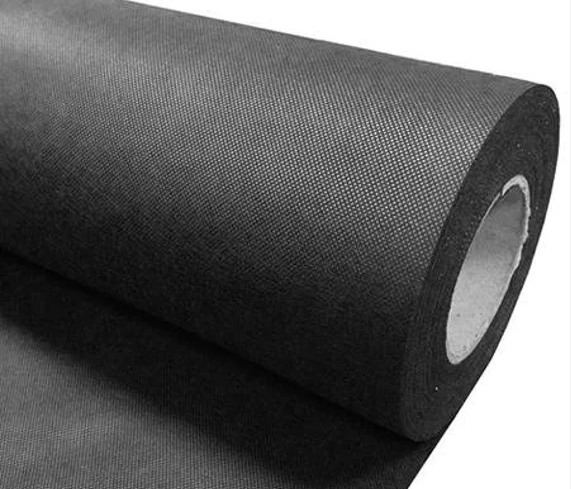
What is Spunbond Non-Woven Fabric?
Spunbond non-woven fabric is a type of fabric made by directly bonding continuous thermoplastic filaments into a web. Unlike traditional woven or knitted fabrics, spunbond non-woven fabrics do not require weaving or knitting processes. Instead, the fibers are bonded using heat, chemical, or mechanical methods, resulting in a strong and uniform material.
The most common raw material used for spunbond non-woven fabric is polypropylene (PP), although polyester and polyethylene can also be used depending on the required properties. The production process creates a lightweight yet durable fabric that offers excellent breathability, chemical resistance, and water repellency, making it suitable for a wide range of applications.
Key Characteristics of Spunbond Non-Woven Fabric
Spunbond non-woven fabrics possess a combination of features that make them highly desirable for industrial and commercial use:
● Durability – The continuous filament structure provides high tensile strength and resilience, allowing the fabric to withstand heavy use.
● Lightweight – Spunbond fabrics are thin and lightweight, reducing shipping costs and making them easy to handle and store.
● Breathability – The porous structure allows air and moisture to pass through, which is crucial in applications like medical garments and agricultural covers.
● Water Resistance – While inherently water-resistant, additional treatments can enhance barrier properties for specific uses.
● Chemical Resistance – Resistant to many acids, bases, and solvents, making it suitable for industrial and laboratory environments.
● Eco-Friendly Options – Many spunbond fabrics are recyclable, and biodegradable versions are available, offering sustainable solutions for businesses.
Common Applications of Spunbond Non-Woven Fabric
Spunbond non-woven fabric is widely used across various industries due to its versatility and cost-effectiveness. Some of the primary applications include:
● Healthcare – Surgical gowns, masks, caps, shoe covers, and disposable medical products rely on spunbond non-woven fabric for its strength, hygiene, and breathability.
● Agriculture – Used as crop covers, plant protection sheets, and greenhouse insulation, spunbond fabrics protect plants from frost, pests, and excessive sunlight while allowing air and water flow.
● Construction – Geotextiles, insulation layers, and roofing membranes utilize spunbond non-woven fabric for soil stabilization, drainage, and water resistance.
● Packaging – Tote bags, reusable shopping bags, and protective wrapping materials benefit from spunbond fabrics due to their lightweight and durable nature.
● Hygiene Products – Diapers, sanitary pads, and wipes often incorporate spunbond layers for softness, absorbency, and structural integrity.
Advantages of Using Spunbond Non-Woven Fabric
Choosing spunbond non-woven fabric offers several benefits for businesses looking to optimize cost, performance, and sustainability:
● Cost-Effective – Production processes are efficient, resulting in an affordable material suitable for large-scale applications.
● Customizable – Available in various weights, colors, and thicknesses to meet project-specific requirements.
● Durable and Lightweight – Provides strength without adding bulk, making it ideal for disposable and reusable products.
● Easy to Handle and Process – Can be easily cut, sewn, laminated, or bonded with other materials.
● Environmentally Friendly – Options for recyclable and biodegradable spunbond fabrics align with corporate sustainability goals.
How to Choose the Right Spunbond Non-Woven Fabric
Selecting the appropriate spunbond fabric requires consideration of several factors:
● Intended Application – Medical, agricultural, industrial, or packaging uses have different performance requirements.
● Weight and Thickness – Heavier fabrics offer more strength, while lighter fabrics are suitable for disposable or breathable applications.
● Chemical or Water Resistance Needs – Consider treatments or coatings if the application involves exposure to moisture or chemicals.
● Durability Requirements – Choose fabrics with higher tensile strength for heavy-duty industrial or construction applications.
● Sustainability Considerations – Select recyclable or biodegradable options to meet environmental standards and reduce waste.
Conclusion
Spunbond non-woven fabric is a versatile, cost-effective, and high-performance material suitable for a wide range of B2B applications. Its unique structure and combination of durability, breathability, and water resistance make it ideal for industries such as healthcare, agriculture, construction, and packaging. By understanding the properties, applications, and benefits of spunbond non-woven fabric, businesses can make informed decisions and select the most suitable material for their projects.
FAQ:
Q1: Is spunbond non-woven fabric washable or reusable?
Spunbond fabrics can be reusable depending on the weight and treatment, but lighter fabrics are often designed for disposable applications.
Q2: Can spunbond non-woven fabric be laminated?
Yes, it can be laminated with films, foils, or other layers to enhance barrier properties or durability.
Q3: What makes spunbond fabric different from other non-wovens?
The continuous filament bonding process gives spunbond fabrics higher strength, uniformity, and stability compared to staple fiber non-wovens.
Q4: Is spunbond non-woven fabric environmentally friendly?
Many spunbond fabrics are recyclable, and biodegradable options are available, making them a sustainable choice for businesses aiming to reduce environmental impact.
Post time: Jan-21-2026