
Extruded Plastic Netting is used in various industries where lightweight mesh structures are required for support, protection, separation, or ventilation. Although the product has a relatively simple appearance, its actual performance depends on multiple factors, including material type, mesh structure, production method, and working environment.
Different applications have different requirements for plastic netting. A mesh used for agricultural support may need flexibility and outdoor resistance, while a netting product used for packaging or industrial separation may require different levels of strength and stability. Understanding the relationship between structure and application helps determine a suitable netting design for specific working conditions.
Understanding the Structure of Extruded Plastic Netting
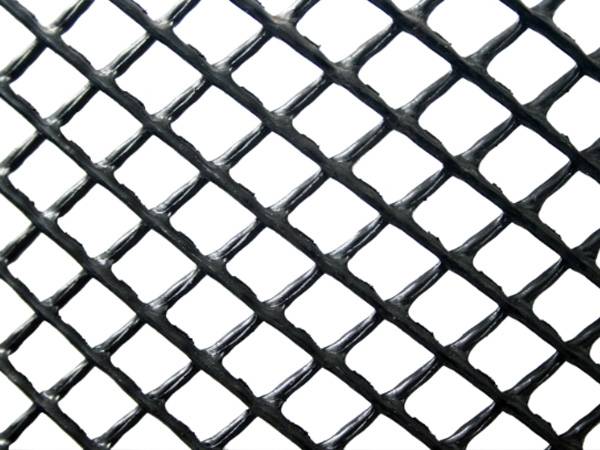
Extruded Plastic Netting is manufactured through an extrusion process, where plastic materials are shaped into a continuous mesh structure. Unlike woven mesh products that are produced by interlacing individual strands, extruded netting is formed as an integrated structure with fixed mesh openings. The extrusion process determines the basic structure of the netting, including mesh arrangement, strand thickness, and overall density. These structural factors influence how the material behaves in different situations.
For example, applications that require better airflow may use a more open mesh design, while applications involving separation or protection may require smaller openings or a denser structure. Therefore, selecting extruded plastic netting usually depends on the specific requirements of the working environment.
Key Structural Factors That Influence Extruded Plastic Netting Performance
The performance of extruded plastic netting is affected by the interaction between material properties and structural design. Instead of focusing on a single specification, it is important to consider how different elements work together during use.
l Mesh opening design:
The size and shape of mesh openings influence airflow, visibility, separation ability, and protection performance. Larger openings may allow better air circulation, while smaller openings can provide more effective separation or coverage in certain applications.
l Material selection:
Different plastic materials have different characteristics. Polyethylene (PE) is commonly considered when flexibility and moisture resistance are important, while polypropylene (PP) is often used in applications where a balance between strength and lightweight properties is needed.
l Strand structure and thickness:
The thickness and arrangement of strands affect the stability and flexibility of the mesh. A thicker structure may provide additional support, while a lighter design may be more suitable for applications where flexibility and easy handling are important.
These factors are usually evaluated together because changes in one area may influence other characteristics. For example, increasing thickness may improve strength but may also affect flexibility and material weight.
Applications of Extruded Plastic Netting Across Different Industries
Extruded Plastic Netting is used in many fields because its structure can be adjusted according to different functional requirements. The suitable design depends on the purpose of use, environmental conditions, and expected performance.
In agriculture, extruded plastic netting is often used for plant support, crop protection, and cultivation systems. The open mesh structure allows air movement and light transmission while providing a supporting framework. The required mesh design may vary depending on plant type, outdoor exposure, and the length of the growing period.
In packaging applications, extruded plastic netting can be used for product separation, protection, and ventilation. Some products require protection during transportation while also needing visibility or airflow. In these situations, a mesh structure can provide a practical alternative to fully enclosed packaging materials.
Industrial applications may involve protective layers, separation systems, or lightweight barriers. In these cases, factors such as mechanical stress, environmental exposure, and structural requirements influence the selection of suitable extruded plastic netting.
How Material Choice Affects Long-Term Performance
The material used in extruded plastic netting plays an important role in determining how the product performs under different conditions. Common plastic materials such as PE and PP have different characteristics, making them suitable for different applications.
PE materials generally offer good flexibility and resistance to moisture, making them suitable for applications where the netting may experience environmental changes. PP materials typically provide a balance between strength, rigidity, and lightweight characteristics, which can be useful in applications requiring more structural support.
Environmental conditions should also be considered when selecting materials. Factors such as sunlight exposure, temperature changes, humidity, and contact with other substances may influence the long-term condition of plastic netting. Choosing a material that matches the actual working environment can help maintain stable performance and reduce issues caused by unsuitable material selection.
Considerations When Selecting Extruded Plastic Netting
Choosing suitable extruded plastic netting requires an understanding of both the application requirements and the conditions where the material will be used.
Important factors include:
l Application purpose:
The intended function of the netting, such as support, protection, separation, or ventilation, affects the required structure and material characteristics.
l Working environment:
Outdoor exposure, moisture levels, temperature changes, and mechanical contact should be considered when evaluating suitable netting options.
l Performance expectations:
Requirements for strength, flexibility, airflow, and service life should be balanced according to the actual application.
A suitable netting structure is not necessarily the strongest or thickest option. Instead, it should match the practical requirements of the application while maintaining appropriate performance.
Maintaining Extruded Plastic Netting During Use
Proper handling and installation can influence the service performance of extruded plastic netting. Even when the material and structure are suitable, incorrect usage conditions may affect its expected lifespan.
During storage and installation, avoiding excessive stretching, sharp impacts, or unsuitable environmental exposure can help maintain the original mesh structure. Regular checks may also help identify whether the netting continues to meet the requirements of the application. Long-term performance depends on several combined factors, including material characteristics, structural design, installation conditions, and the actual working environment.
Conclusion
Extruded Plastic Netting performance is influenced by various factors, including mesh structure, material selection, application conditions, and expected usage requirements. Understanding these elements helps users evaluate different netting designs based on practical needs rather than only basic appearance or dimensions.
Whether used in agriculture, packaging, or industrial applications, the suitable extruded plastic netting design depends on finding the right balance between strength, flexibility, openness, and durability. A clear understanding of these factors allows the material to be better matched with different working environments.
Frequently Asked Questions
1. What materials are commonly used for extruded plastic netting?
Common materials include polyethylene (PE) and polypropylene (PP). The suitable choice depends on factors such as flexibility, strength requirements, environmental exposure, and intended application.
2. How is extruded plastic netting different from woven mesh?
Extruded plastic netting is formed as a continuous mesh structure during the extrusion process, while woven mesh is created by interlacing separate strands. The different manufacturing methods result in different structural characteristics.
3. Can extruded plastic netting be used in outdoor environments?
Yes, many types of extruded plastic netting can be used outdoors. However, material selection should consider conditions such as sunlight, moisture, and temperature changes.
4. Why does mesh size matter in extruded plastic netting applications?
Mesh size affects airflow, visibility, separation ability, and protection level. The appropriate mesh opening depends on the functional requirements of the specific application.
Post time: Oct-15-2026