
PP spunbond non-woven fabrics are one of the most widely used industrial textile materials in the world today. They are found in packaging, agriculture, hygiene products, medical supplies, and many other sectors where cost efficiency and stable performance are required.
Unlike traditional woven fabrics, PP spunbond materials are produced through a continuous extrusion process that creates a uniform fiber web without weaving or knitting. This structure gives the material a unique balance of strength, breathability, and lightweight performance, making it suitable for both disposable and semi-durable applications.
What Is PP Spunbond Non-Woven Fabric?
PP spunbond non-woven fabric is made from polypropylene (PP) resin, a thermoplastic polymer that is melted and extruded into continuous filaments. These filaments are then laid randomly to form a web, which is bonded together using heat and pressure without the use of adhesives or chemical binders.
The result is a fabric-like material with consistent mechanical properties and stable production efficiency. Because of its simple manufacturing process and low raw material cost, PP spunbond fabric has become a core material in global nonwoven industries.
How PP Spunbond Fabric Is Manufactured
The production process of PP spunbond non-woven fabric is highly automated and designed for continuous industrial output. Each stage directly affects the final quality of the material, including its strength, softness, and uniformity.
The typical production process includes:
● Polypropylene resin melting under controlled temperature conditions
● Extrusion of molten polymer through spinnerets to form continuous filaments
● Air drawing to stretch and thin fibers for improved strength
● Web formation where fibers are evenly laid onto a conveyor belt
● Thermal bonding to fuse fibers together without chemical adhesives
● Cooling, finishing, and rolling into final fabric rolls for shipment
This continuous process allows manufacturers to produce large volumes of fabric with consistent quality, which is essential for industrial applications.
Key Performance Characteristics of PP Spunbond Non-Woven Fabrics
PP spunbond non-woven fabrics are valued for their balanced performance, combining mechanical strength with lightweight properties. They are designed to be functional rather than decorative, which makes them highly suitable for disposable and industrial uses.
Their main characteristics include:
● Lightweight structure that reduces transportation and material handling costs
● Good tensile strength suitable for packaging and protective applications
● Breathable surface allowing air and moisture permeability
● Stable chemical resistance against many common cleaning agents
● Cost-effective production suitable for large-scale industrial supply
● Wide range of customizable thickness, color, and width options
These properties make PP spunbond fabrics one of the most versatile nonwoven materials in the global market.
Why PP Spunbond Fabric Is Used in So Many Industries
The widespread adoption of PP spunbond non-woven fabrics is driven by their adaptability and low production cost. Industries that require large quantities of disposable or semi-disposable materials benefit the most from this fabric type.
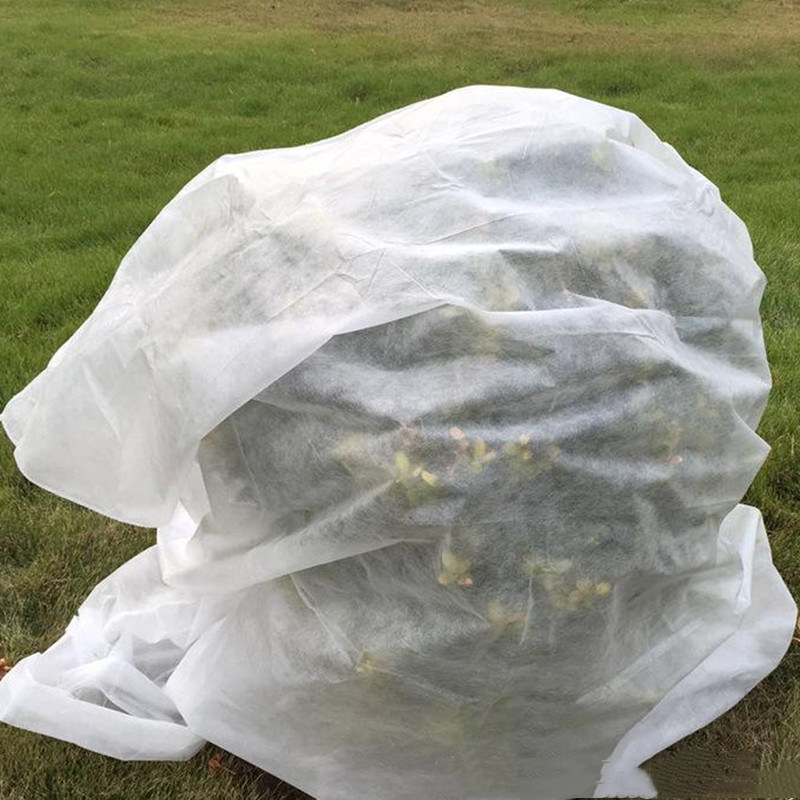
In medical and hygiene industries, PP spunbond fabric is commonly used for surgical gowns, masks, caps, and disposable bed sheets. In agriculture, it is used for crop protection covers, weed control fabrics, and greenhouse applications. In packaging, it is widely used for reusable shopping bags, protective wrapping, and industrial packaging materials.
Its flexibility allows manufacturers to adjust weight and strength based on different application requirements.
Main Application Areas in Global Markets
PP spunbond non-woven fabrics are used across multiple sectors due to their functional versatility and scalable production.
Common applications include:
● Medical and hygiene products such as masks, gowns, and disposable sheets
● Agricultural covers used for crop protection and soil management
● Packaging materials including reusable shopping bags and industrial wraps
● Furniture and home textile backing materials
● Automotive interiors and protective liners
● Industrial filtration and protective covering materials
Each application benefits from the material’s combination of breathability, strength, and cost efficiency.
Advantages Compared to Traditional Woven Fabrics
PP spunbond non-woven fabrics differ significantly from traditional woven textiles in both structure and production method. Instead of interlacing yarns, spunbond fabrics rely on directly bonded fibers, which simplifies manufacturing and reduces cost.
Compared to woven fabrics, PP spunbond materials offer:
● Faster production speed due to continuous manufacturing process
● Lower production cost because no weaving or knitting is required
● More uniform surface structure without yarn irregularities
● Easier customization of thickness and functional properties
● Better suitability for disposable applications
However, they are generally not designed for heavy-duty long-term textile applications, which is where woven fabrics still dominate.
Industrial Flexibility and Customization Options
One of the key strengths of PP spunbond non-woven fabrics is their high level of customization. Manufacturers can adjust multiple parameters to meet different market demands.
Customization options typically include:
● Fabric weight (GSM) adjustment for different strength levels
● Color customization for branding or functional identification
● Width and roll size adaptation for production line compatibility
● Anti-static or UV-resistant treatment for specialized applications
● Laminated or coated versions for waterproof or barrier functions
This flexibility makes PP spunbond fabric suitable for both mass production and niche industrial applications.
Market Trends and Global Demand Growth
The global demand for PP spunbond non-woven fabrics continues to grow steadily due to increasing hygiene awareness, agricultural modernization, and packaging industry expansion.
Environmental regulations and cost efficiency requirements are also pushing industries to adopt nonwoven materials instead of traditional textiles or plastic-based products.
Future market trends include:
● Increased demand in medical and protective product sectors
● Expansion of biodegradable and eco-friendly nonwoven alternatives
● Growth in agricultural applications due to precision farming practices
● Rising use in industrial packaging and logistics solutions
Despite competition from alternative materials, PP spunbond remains a dominant product due to its cost-performance balance.
Conclusion
PP spunbond non-woven fabric is a foundational material in modern industrial manufacturing, offering a strong balance between performance, cost, and production efficiency. Its wide range of applications across medical, agricultural, packaging, and industrial sectors makes it one of the most important nonwoven materials globally.
As industries continue to focus on efficiency and scalable production, PP spunbond fabrics are expected to maintain their strong position in the global nonwoven market while continuing to evolve with new functional enhancements and application-driven innovations.
FAQ:
1. What is PP spunbond non-woven fabric made of?
It is made from polypropylene (PP) resin, which is melted and extruded into continuous fibers that are bonded together using heat without weaving or adhesives.
2. Is PP spunbond fabric recyclable?
Yes, PP spunbond fabric is recyclable under appropriate industrial recycling systems, although actual recycling rates depend on local infrastructure.
3. What is the difference between PP spunbond and meltblown fabric?
Spunbond fabric is stronger and used for structural applications, while meltblown fabric has finer fibers and is mainly used for filtration, such as in mask layers.
4. What industries use PP spunbond non-woven fabric the most?
It is widely used in medical, hygiene, agriculture, packaging, automotive, and industrial protective applications due to its versatility and cost efficiency.
Post time: Jun-10-2026