
PP nonwoven fabric, short for polypropylene nonwoven fabric, is a highly versatile and widely used material across multiple industries. Thanks to its excellent durability, breathability, lightweight structure, and water resistance, PP nonwoven fabric has become a preferred choice for manufacturers, contractors, and project developers worldwide. From medical protection to agriculture, packaging, and industrial applications, this material offers a reliable and cost-effective solution. In this comprehensive guide, we will explore the characteristics, production features, applications, advantages, and key considerations of PP nonwoven fabric to help you make informed decisions for your projects.
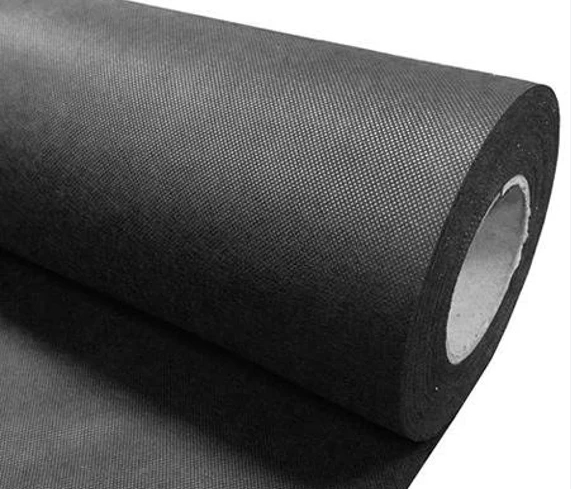
What Is PP Nonwoven Fabric?
PP nonwoven fabric is made from polypropylene, a thermoplastic polymer known for its strength, chemical resistance, and flexibility. Unlike traditional woven fabrics, nonwoven fabrics are produced by bonding fibers together through mechanical, thermal, or chemical processes rather than weaving or knitting. Among these methods, spunbond technology is one of the most common processes used for PP nonwoven fabric, resulting in a smooth surface, uniform structure, and high tensile strength.
Because of its manufacturing process, PP nonwoven fabric can be produced quickly and efficiently, allowing for large-scale production at a relatively low cost. This makes it especially attractive for industries that require consistent quality, high volumes, and controlled specifications.
Characteristics of PP Nonwoven Fabric
PP nonwoven fabric is valued for its well-balanced performance characteristics, which allow it to meet the demands of various applications.
First, it is lightweight yet durable. Even at lower grammage levels, PP nonwoven fabric maintains good strength and tear resistance. Second, it offers excellent breathability, allowing air to pass through while still providing a protective barrier. This property is particularly important in medical and agricultural uses. Third, PP nonwoven fabric has natural water resistance and can be further treated to enhance hydrophobic performance. In addition, it is resistant to many chemicals, acids, and alkalis, making it suitable for industrial environments.
PP nonwoven fabric is also highly customizable. Manufacturers can adjust weight, thickness, color, width, and surface treatments to match specific project requirements.
Applications of PP Nonwoven Fabric
Due to its versatility and cost efficiency, PP nonwoven fabric is widely used across various industries.
Medical and Healthcare Industry
In the medical sector, PP nonwoven fabric is commonly used for surgical masks, disposable gowns, caps, shoe covers, and sterilization wraps. Its breathability ensures comfort, while its barrier properties help reduce the risk of contamination. The ability to produce PP nonwoven fabric in hygienic and controlled environments further enhances its suitability for medical use.
Agriculture
In agriculture, PP nonwoven fabric is used as ground covers, crop protection fabric, frost covers, and greenhouse covers. It helps regulate temperature, retain soil moisture, and protect plants from pests, wind, and excessive sunlight. UV-treated PP nonwoven fabric can withstand prolonged outdoor exposure, making it ideal for seasonal or long-term agricultural applications.
Packaging and Shopping Bags
PP nonwoven fabric is widely used in packaging, particularly for reusable shopping bags, promotional bags, garment covers, and protective packaging. Its lightweight yet strong structure makes it an excellent alternative to traditional plastic or woven materials. In addition, PP nonwoven bags can be easily printed with logos and designs, making them popular for branding and marketing purposes.
Industrial and Construction Applications
In industrial and construction fields, PP nonwoven fabric is used for insulation layers, protective covers, filtration materials, and geotextile-related applications. Its resistance to moisture and chemicals, combined with good mechanical strength, makes it suitable for demanding working conditions.
Advantages of PP Nonwoven Fabric
PP nonwoven fabric offers several advantages that contribute to its widespread adoption.
One major advantage is cost-effectiveness. Compared with woven fabrics and other synthetic materials, PP nonwoven fabric provides excellent performance at a lower cost, making it suitable for large-scale and disposable applications.
Another key benefit is breathability. The fabric allows airflow while reducing moisture buildup, which is essential for medical, hygiene, and agricultural uses.
Environmental performance is also an important advantage. PP nonwoven fabric is recyclable and can be reused in various forms. Compared with single-use plastics, it represents a more sustainable material option when properly collected and recycled.
In addition, PP nonwoven fabric is easy to handle and process. It can be cut, sewn, welded, or laminated, allowing manufacturers to integrate it into different product designs efficiently.
Q&A Section
Q: Can PP nonwoven fabric be recycled?
A: Yes, PP nonwoven fabric is recyclable. As it is made from polypropylene, it can be collected and reprocessed into new plastic or nonwoven products, making it an environmentally responsible option.
Q: Is PP nonwoven fabric water-resistant?
A: Yes, PP nonwoven fabric has inherent water resistance. Additional treatments can further enhance its hydrophobic properties for applications that require higher moisture protection.
Q: Is PP nonwoven fabric suitable for outdoor use?
A: With proper UV treatment, PP nonwoven fabric can be used outdoors, especially in agricultural and construction applications.
Considerations for Choosing PP Nonwoven Fabric
When selecting PP nonwoven fabric for a project, several factors should be carefully evaluated. These include the required weight and thickness, which directly affect strength and durability. Color and width options should be chosen based on functional and aesthetic needs. The intended application, whether medical, agricultural, or industrial, will also determine whether special treatments such as UV resistance, anti-static properties, or enhanced water repellency are necessary.
Working with experienced and reliable suppliers ensures consistent quality, stable supply, and access to customized solutions tailored to project requirements.
Conclusion
PP nonwoven fabric is a high-performance, versatile, and cost-effective material suitable for a wide range of applications. Its durability, breathability, water resistance, and recyclability make it an excellent choice for medical, agricultural, packaging, and industrial projects. By understanding its characteristics, applications, advantages, and selection considerations, businesses and project managers can confidently choose PP nonwoven fabric to achieve reliable and efficient results.
Product Selection Recommendations
For projects that prioritize hygiene and comfort, such as medical products, lightweight and breathable PP nonwoven fabric is recommended. Agricultural applications benefit from UV-treated and water-permeable fabric, while packaging and promotional products require balanced strength and appearance. Always select PP nonwoven fabric specifications that align with your project’s performance requirements, and partner with reputable suppliers to ensure quality, consistency, and long-term value.
Post time: Jan-06-2026