
Polypropylene (PP) spunbond laminated fabrics are advanced nonwoven materials engineered to deliver enhanced protection, durability, and performance across demanding applications. By combining a spunbond nonwoven base with a laminated functional layer, these fabrics achieve superior resistance to liquids, particles, and mechanical stress. As industries place higher demands on safety, hygiene, and material reliability, PP spunbond laminated fabrics have become an essential solution in sectors ranging from healthcare and hygiene to agriculture and industrial packaging.
This ultimate guide explores the structure, key features, benefits, applications, and performance comparisons of PP spunbond laminated fabrics, helping readers gain a comprehensive understanding of why this material is widely adopted for protective uses.
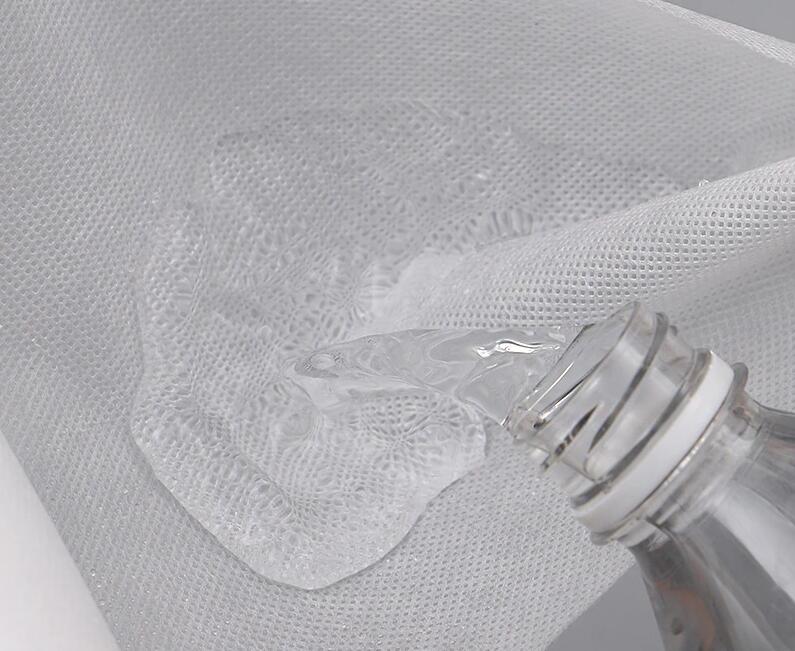
What Is PP Spunbond Laminated Fabric?
PP spunbond laminated fabric is a composite nonwoven material created by laminating one or more functional layers—such as polyethylene (PE) film or microporous membranes—onto a polypropylene spunbond base fabric. The spunbond layer provides mechanical strength and flexibility, while the laminated layer enhances barrier performance against liquids, contaminants, and external elements.
This layered structure allows the fabric to maintain breathability while significantly improving protective properties, making it suitable for applications where both comfort and protection are critical.
Features of PP Spunbond Laminated Fabric
PP spunbond laminated fabrics exhibit a combination of physical and functional properties that distinguish them from standard nonwoven materials. Key features include:
● Excellent liquid repellency, preventing water, oils, and other fluids from penetrating the fabric surface
● High tensile strength, derived from continuous polypropylene filaments
● Strong abrasion resistance, suitable for repeated handling and extended use
● Controlled breathability, allowing air and moisture vapor transmission while blocking liquids
● Resistance to tears and punctures, even under mechanical stress
These features result from precise fiber bonding, uniform lamination, and carefully controlled manufacturing parameters.
Benefits of PP Spunbond Laminated Fabric
The unique construction of PP spunbond laminated fabric delivers multiple performance advantages across different environments and use cases.
Waterproofing Performance
The laminated layer acts as an effective waterproof barrier, preventing liquid penetration while maintaining fabric integrity. This property is particularly valuable in medical, hygiene, and outdoor applications where moisture protection is essential.
Barrier Protection
PP spunbond laminated fabrics provide reliable protection against contaminants such as bacteria, viruses, dust, and fine particles. This makes them suitable for environments where hygiene control and contamination prevention are critical.
Long-Term Durability
The spunbond base fabric contributes to high tensile strength and dimensional stability, allowing the laminated material to withstand repeated use, friction, and handling without losing functionality.
Breathability and Comfort
Despite the added laminated layer, many PP spunbond laminated fabrics are engineered to remain breathable. Microporous films allow air exchange while blocking liquids, helping reduce heat buildup and discomfort during wear.
Lightweight Structure
Compared to traditional woven or coated fabrics, PP spunbond laminated materials offer high performance at a relatively low weight, improving ease of handling and application efficiency.
Applications of PP Spunbond Laminated Fabric
Thanks to its balanced combination of strength, protection, and breathability, PP spunbond laminated fabric is widely used across multiple industries.
Medical and Healthcare
In healthcare environments, infection control and fluid resistance are essential. PP spunbond laminated fabrics are commonly used for:
● Surgical gowns and isolation gowns
● Medical drapes and covers
● Face masks and protective apparel
The material helps reduce cross-contamination while maintaining wearer comfort during extended procedures.
Personal Protective Equipment (PPE)
PP spunbond laminated fabrics are widely applied in disposable protective clothing, including coveralls and protective suits. Their barrier performance and mechanical strength make them suitable for use in controlled environments and industrial safety applications.
Hygiene Products
In hygiene products such as diapers and sanitary napkins, PP spunbond laminated fabrics are used as back sheets or barrier layers. They provide leak protection while maintaining softness and flexibility.
Agriculture and Horticulture
In agricultural applications, PP spunbond laminated fabric is used for:
● Crop covers and plant protection fabrics
● Weed control and landscaping materials
● Greenhouse coverings
The laminated layer enhances weather resistance and durability, extending product lifespan in outdoor conditions.
Packaging and Industrial Protection
PP spunbond laminated fabrics are also used in protective packaging, industrial covers, and transport bags. Their resistance to moisture, dust, and mechanical damage helps protect goods during storage and transportation.
PP Spunbond Laminated vs. Non-Laminated PP Spunbond Fabric
While standard PP spunbond fabric offers strength and breathability, lamination significantly enhances performance in protective applications.
The lamination process bonds an additional functional layer to the spunbond fabric, improving resistance to liquids and contaminants without compromising flexibility. This makes PP spunbond laminated fabric more suitable for environments where higher protection standards are required.
Performance Comparison
|
Property |
PP Spunbond Laminated |
Non-Laminated PP Spunbond |
| Liquid Repellency | High | Low |
| Barrier Protection | Superior | Limited |
| Durability | Excellent | Moderate |
| Application Scope | Protective & medical | General-purpose |
Manufacturing Process Overview
PP spunbond laminated fabric is produced through a multi-step process that ensures consistent quality and performance.
First, polypropylene resin is melted and extruded into continuous filaments, which are laid randomly to form a spunbond nonwoven web. This web is thermally bonded to create a strong base fabric. Next, a lamination process bonds a film or membrane layer onto the spunbond fabric using heat, pressure, or adhesive methods.
Advanced production lines allow precise control of fabric weight, thickness, and lamination characteristics to meet specific application requirements.
Quality and Performance Considerations
When evaluating PP spunbond laminated fabric, several technical parameters influence performance:
● Fabric weight (GSM) and thickness
● Lamination type and film permeability
● Tensile and tear strength
● Liquid penetration resistance
● Air permeability and comfort level
Balancing these factors ensures the material performs effectively in its intended application.
Conclusion
PP spunbond laminated fabric is a high-performance nonwoven material designed to deliver superior protection, durability, and versatility. Its layered structure combines the strength of spunbond polypropylene with enhanced barrier properties provided by lamination. As a result, it is widely used in medical, hygiene, agricultural, protective, and packaging applications.
By offering excellent liquid repellency, reliable barrier protection, and controlled breathability, PP spunbond laminated fabric meets the demands of modern protective solutions. For applications requiring enhanced performance and dependable protection, this material continues to be a highly effective and adaptable choice.
Frequently Asked Questions (FAQ)
Q1: How is PP spunbond laminated fabric manufactured?
PP spunbond laminated fabric is produced by creating a spunbond nonwoven base and bonding a functional laminated layer, such as a PE film or membrane, using heat or pressure.
Q2: Why is PP spunbond laminated fabric suitable for medical applications?
Its combination of liquid resistance, barrier protection, and breathability makes it ideal for medical gowns, drapes, and protective apparel.
Q3: Is PP spunbond laminated fabric breathable?
Yes, many laminated versions use microporous films that allow air and moisture vapor transmission while blocking liquids.
Q4: How does laminated fabric differ from standard PP spunbond fabric?
Laminated fabric provides enhanced liquid and contaminant resistance, making it suitable for higher-protection applications compared to non-laminated spunbond fabric.
Post time: Dec-29-2025