
Choosing PP Nonwoven Spunbond Fabrics involves more than comparing material names or fabric weight. Different products require different levels of strength, flexibility, durability, and processing compatibility. A material that works well for one application may not deliver the same results in another.
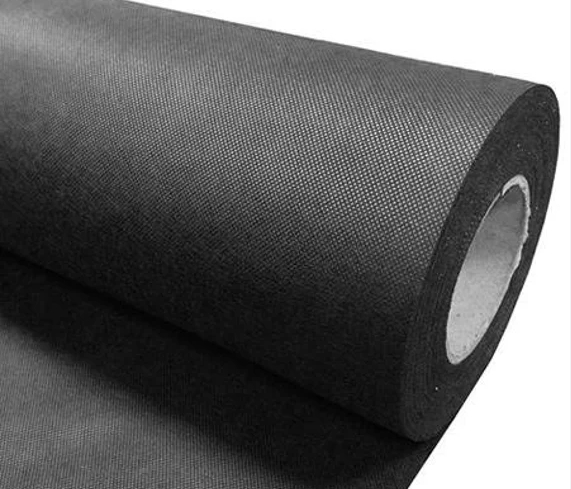
For manufacturers, the goal is to find a fabric that meets the finished product’s requirements without creating unnecessary material costs or production difficulties. Understanding how to match fabric characteristics with actual applications makes this decision more practical.
Start with the Intended Product Application
The first step is to identify what the finished product needs to do. Different applications place different demands on nonwoven fabric, so material selection should begin with the product rather than a general specification.
Reusable shopping bags, for example, need enough strength to support their contents, particularly around handles, seams, and bottom panels. Packaging applications may place greater emphasis on flexibility, appearance, and ease of conversion. Agricultural covers require consideration of the installation environment, coverage method, and expected period of use.
Although these products can all use PP Nonwoven Spunbond Fabrics, their material requirements are not identical. Choosing fabric based only on a broad application name can lead to unsuitable results.
Before selecting a material, consider whether the product needs to carry weight, withstand repeated handling, fold easily, or undergo additional processing. These details help narrow down the available options.
Match Fabric Weight to Functional Requirements
Fabric weight is one of the common factors used to compare PP Nonwoven Spunbond Fabrics, but a higher weight does not automatically mean better performance.
Lighter fabrics can be suitable for products that prioritize flexibility, lightweight construction, or lower material consumption. For simple packaging applications, using a heavier fabric than necessary may increase costs without providing meaningful benefits.
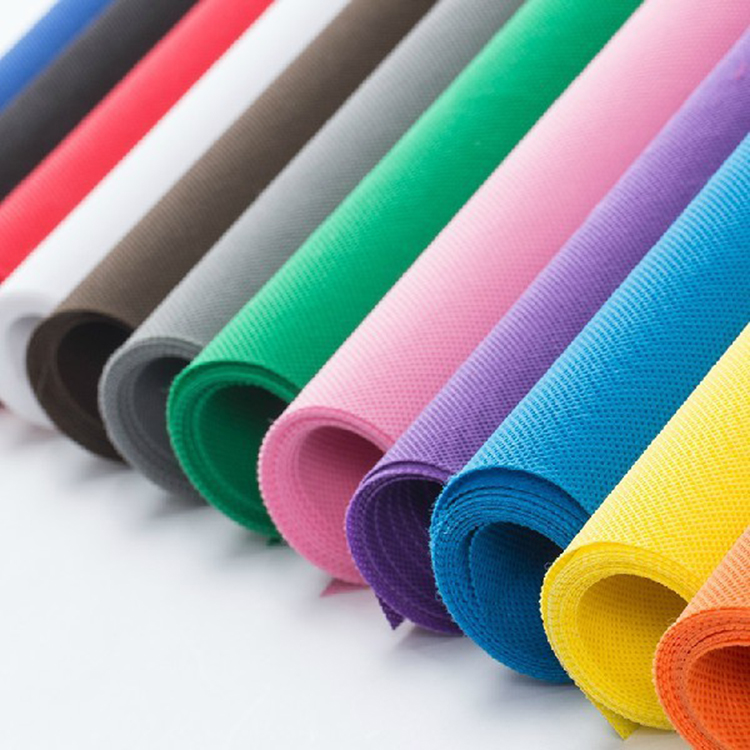
Products requiring greater support or strength may need a heavier material. However, fabric weight should be evaluated alongside product construction. In a shopping bag, for instance, the handles, seams, and bottom design also affect load-bearing performance. A heavier fabric alone cannot compensate for weak structural design.
The practical approach is to define the product’s functional requirements first, then compare suitable fabric weights through sample evaluation. This helps avoid both under-specification and unnecessary material use.
Balance Strength and Flexibility
Strength affects how well a fabric withstands tension and handling during use. However, the required level depends on the finished product.
For bags, particular attention should be paid to areas exposed to repeated pulling, such as handle connections and side seams. Packaging materials need to remain intact during folding, wrapping, and transportation. Agricultural applications should be assessed according to installation conditions and the physical demands placed on the material.
Flexibility is equally important. A fabric that is too stiff may be difficult to fold, sew, or shape. One that is too soft may not provide enough support for products that need to maintain a particular structure.
When evaluating PP Nonwoven Spunbond Fabrics, manufacturers should consider strength and flexibility together. The most suitable option is the one that performs reliably within the finished product, not simply the one with the highest individual performance rating.
Consider Surface Characteristics and Further Processing
Fabric surface properties can influence both product appearance and manufacturing results. For applications involving printed patterns, logos, or product information, surface consistency and printing compatibility should be checked before large-scale production.
Additional processes also need consideration. Lamination, coating, heat sealing, sewing, and other converting methods may place different requirements on the fabric. If these requirements are not identified early, manufacturers may face processing adjustments, material waste, or production delays.
When sourcing PP Nonwoven Spunbond Fabrics, provide details about the intended finishing and converting processes. If the material will undergo several production steps, testing samples under actual operating conditions is a practical way to confirm compatibility.
Check Compatibility with Production Methods
A fabric may appear suitable based on its basic characteristics but still cause difficulties when introduced into an existing production line.
For sewn products, manufacturers should evaluate how the material behaves during cutting and stitching. For heat-sealed products, the fabric must be suitable for the intended sealing process. Products involving multiple material layers may also require testing to confirm that the layers work well together.
Consistency between batches matters as well. Noticeable differences in thickness, surface condition, or processing behavior can affect finished product quality and interrupt production schedules.
Before confirming a material for bulk orders, discuss the production method with the supplier and evaluate samples using the equipment and processes intended for regular manufacturing.
Evaluate Overall Cost, Not Just Fabric Price
The lowest fabric price does not necessarily result in the lowest production cost. If a material lacks the required performance, manufacturers may need to use more material, modify product construction, or deal with higher rejection rates.
On the other hand, choosing fabric with properties far beyond the product’s actual requirements can also increase expenses unnecessarily.
A more useful comparison considers material consumption per finished product, processing efficiency, material utilization, and product quality. For ongoing production, supply consistency should also be considered because changes between batches can create additional adjustments.
The right PP Nonwoven Spunbond Fabrics should meet the product’s functional requirements while avoiding unnecessary material costs. This balance is more valuable than choosing solely by price or weight.
What Information Should You Provide to a Supplier?
Clear product information helps suppliers understand the application and recommend more suitable material options. Before making an inquiry, manufacturers should prepare several basic details:
- Product application: Explain whether the fabric will be used for bags, packaging, agricultural covers, or another product.
- Functional requirements: Describe whether the product needs load-bearing strength, flexibility, repeated use, or a particular level of support.
- Processing methods: Specify whether the material will be printed, sewn, heat-sealed, laminated, or cut into specific shapes.
- Material preferences: Provide known requirements for weight, color, width, or other characteristics. If these are not yet confirmed, describe the intended product and its expected use.
- Sample evaluation: Identify the main qualities that need to be checked, such as strength, flexibility, appearance, and processing performance.
Product samples, drawings, or reference pictures can also help clarify the requirements. The more accurately the application is described, the easier it is to identify a suitable material before moving into bulk production.
Finding a Material Solution for Your Application
Different products require different nonwoven material characteristics. Vinner offers a range of nonwoven fabrics, including PP spunbond, PET spunbond, RPET spunbond, PLA spunbond, and needle-punched fabrics. Manufacturers looking for PP Nonwoven Spunbond Fabrics can discuss their product application, construction requirements, and processing methods to identify an appropriate option. Evaluating samples before confirming a bulk order can help reduce material selection risks and provide a clearer basis for production decisions.
Conclusion
Selecting PP Nonwoven Spunbond Fabrics should start with the finished product’s actual requirements. Fabric weight, strength, flexibility, surface characteristics, and processing compatibility all influence whether a material is suitable. By defining these needs in advance and evaluating samples under realistic conditions, manufacturers can make more informed material decisions and avoid unnecessary production costs.
FAQ
Q1: Can the same PP spunbond fabric be used for different products?
Yes, some fabric options may serve multiple applications, but suitability depends on the required strength, flexibility, construction, and processing method of each finished product.
Q2: Is heavier PP spunbond fabric always more durable?
Not necessarily. Fabric weight is only one selection factor. Product structure, material consistency, and how the fabric is used also affect overall performance.
Q3: Why should manufacturers test samples before placing bulk orders?
Sample testing helps confirm whether the fabric meets functional and processing requirements. It can reveal potential problems before they affect a larger production run.
Post time: Nov-11-2026