
In today’s fast-growing industrial and consumer markets, material performance plays a critical role in product quality, cost efficiency, and sustainability. Among the many types of technical textiles available, 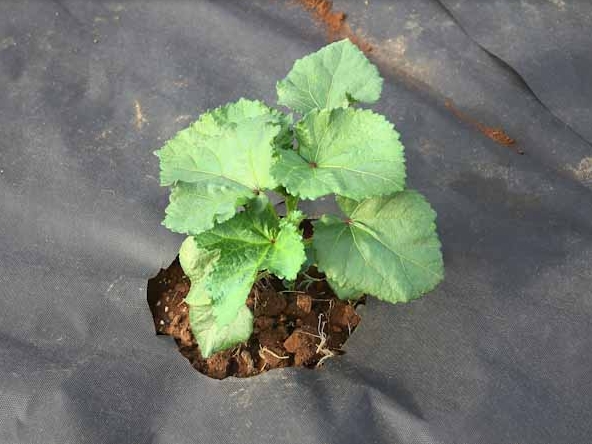 s have become one of the most widely used materials across agriculture, hygiene, packaging, construction, and filtration industries. Their balance of strength, lightweight structure, and cost-effectiveness makes them a preferred choice for manufacturers worldwide.
As global demand for efficient and eco-friendly materials continues to rise, PP spunbond nonwoven fabrics are increasingly recognized not just as a basic textile, but as a functional material that supports modern production systems and diversified applications.
What Are PP Nonwoven Spunbond Fabrics?
PP nonwoven spunbond fabrics are made from polypropylene (PP) polymer chips that are melted and extruded into continuous filaments. These filaments are then laid into a web and bonded together using thermal processes, creating a strong yet lightweight nonwoven fabric structure.
Unlike traditional woven or knitted textiles, spunbond nonwoven fabrics do not require weaving or yarn formation. Instead, their structure is formed directly from continuous filaments, which gives them unique mechanical and functional properties.
Key characteristics of PP spunbond nonwoven fabrics include:
● Lightweight structure with high tensile strength
● Excellent breathability and permeability
● Good chemical resistance and durability
● Stable performance under different temperature conditions
● Cost-efficient production for large-scale applications
Because of these advantages, PP spunbond fabrics have become a core material in many industrial supply chains.
Why PP Spunbond Nonwoven Fabrics Are Widely Used
The popularity of PP spunbond nonwoven fabrics is not accidental. It is driven by a combination of performance benefits, production efficiency, and adaptability to different industries.
Strong yet lightweight material structure
One of the most important advantages of PP spunbond fabrics is their ability to maintain strength while remaining lightweight. This makes them suitable for applications where durability is required without adding unnecessary weight.
● In packaging applications, the fabric provides structural support while remaining easy to handle
● In agriculture, it offers protection without restricting plant growth
● In industrial uses, it provides durability without increasing material costs significantly
This balance between strength and weight is a key reason for its widespread adoption.
Excellent cost efficiency for mass production
Because PP spunbond nonwoven fabrics are produced through continuous automated processes, they are highly efficient to manufacture at scale. This results in stable pricing and consistent quality, making them attractive for large-volume industrial users.
● Suitable for high-volume disposable products
● Cost-effective for long-term industrial supply chains
● Reduces overall production costs for downstream manufacturers
In many industries, cost control is as important as performance, which further strengthens the market position of PP spunbond fabrics.
Chemical resistance and durability
Polypropylene is naturally resistant to many chemicals, moisture, and environmental stress factors. As a result, PP spunbond fabrics maintain stable performance even in challenging conditions.
● Resistant to most acids and alkalis
● Does not easily absorb moisture
● Maintains structure in humid environments
● Suitable for long-term storage and usage applications
This durability makes the material suitable for both indoor and outdoor applications.
Main Applications of PP Nonwoven Spunbond Fabrics
PP spunbond nonwoven fabrics are widely used across multiple industries due to their versatility and functional adaptability.
Medical and hygiene products
One of the largest application areas for PP spunbond fabrics is the hygiene industry, where cleanliness, safety, and breathability are essential.
● Disposable medical gowns and surgical masks
● Protective clothing and isolation gowns
● Baby diapers and adult incontinence products
● Hygiene pads and sanitary materials
In these applications, the fabric provides a barrier against particles while remaining comfortable and breathable.
Agriculture and horticulture applications
In agriculture, PP spunbond fabrics are commonly used to improve crop protection and farming efficiency.
● Crop cover materials for frost and insect protection
● Weed control fabrics to reduce herbicide usage
● Greenhouse shading and insulation layers
● Seedling protection and soil moisture retention
These applications help improve yield quality while reducing labor and chemical input costs.
Packaging and industrial wrapping
PP spunbond fabrics are also widely used in packaging industries due to their flexibility and strength.
● Shopping bags and reusable packaging materials
● Industrial protective wrapping
● Furniture and product dust covers
● Export packaging for goods protection
The material offers a lightweight yet durable alternative to traditional plastic films in many cases.
Construction and geotechnical applications
In construction and infrastructure projects, PP spunbond fabrics are used as auxiliary engineering materials.
● Ground separation layers in road construction
● Filtration layers in drainage systems
● Erosion control underlay materials
● Protective layers for waterproof systems
These functions help improve structural stability and extend project lifespan.
Key Performance Factors of PP Spunbond Nonwoven Fabrics
When selecting PP nonwoven spunbond fabrics, buyers typically evaluate several important performance parameters.
● Tensile strength and elongation rate for mechanical durability
● Basis weight (gsm) depending on application requirements
● Air permeability for ventilation-related uses
● Water resistance or hydrophobic treatment options
● UV resistance for outdoor applications
● Color stability and surface uniformity
Manufacturers often customize these parameters to meet specific industry needs.
Growing Market Demand and Industry Trends
The global demand for PP spunbond nonwoven fabrics continues to grow due to several key trends in manufacturing and consumption.
● Increasing demand for disposable hygiene and medical products
● Expansion of agricultural modernization and protected farming systems
● Growth in e-commerce packaging and logistics protection materials
● Rising focus on cost-effective and lightweight industrial materials
● Strong shift toward recyclable and eco-conscious materials
In addition, many industries are moving toward materials that offer both performance and sustainability, further supporting the long-term growth of PP spunbond nonwoven fabrics.
Advantages Compared to Traditional Materials
Compared with woven fabrics and traditional plastic materials, PP spunbond nonwoven fabrics offer several clear advantages.
● More efficient production process with lower manufacturing cost
● Better customization in terms of weight, thickness, and treatment
● Improved breathability compared to plastic films
● Easier large-scale industrial application
● Suitable for both disposable and semi-durable uses
These advantages make it a flexible material across multiple industries.
Conclusion
PP nonwoven spunbond fabrics have become a key material in modern manufacturing due to their excellent balance of strength, lightweight structure, chemical resistance, and cost efficiency. From medical and hygiene products to agriculture, packaging, and construction, their applications continue to expand across global markets.
As industries continue to demand more efficient, sustainable, and adaptable materials, PP spunbond nonwoven fabrics are expected to play an even more important role in future industrial development. For manufacturers, distributors, and project suppliers, understanding the performance and application potential of this material is essential for maintaining competitiveness in a rapidly evolving global market.
Post time: May-18-2026