
PP Nonwoven Fabric is a versatile and cost-effective material widely used across industries such as healthcare, hygiene, agriculture, packaging, and industrial applications. Its lightweight structure, durability, breathability, and adaptability make it an ideal choice for businesses looking to optimize production, reduce costs, and enhance product performance.
For B2B companies, understanding the characteristics, applications, and advantages of PP nonwoven fabric is essential to make informed procurement decisions, ensure consistent product quality, and meet industry requirements. This article provides a comprehensive guide on manufacturing processes, applications, benefits, selection considerations, and future trends of PP nonwoven fabric.
What is PP Nonwoven Fabric?
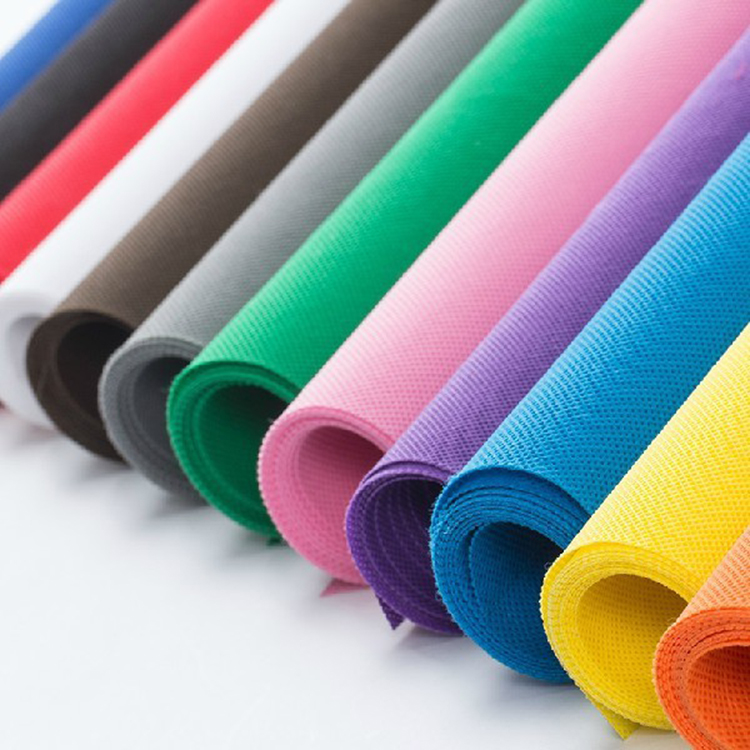
PP nonwoven fabric is made from polypropylene fibers that are bonded or mechanically entangled to form a continuous sheet. Unlike traditional woven fabrics, nonwoven fabrics do not require weaving. Instead, they are produced using processes such as spunbonding, meltblown, or needle punching. PP nonwoven fabric is lightweight, flexible, breathable, and resistant to chemicals and moisture.
Key characteristics include:
● High tensile strength: Capable of withstanding mechanical stress, making it suitable for packaging, protective, and industrial applications.
● Water and chemical resistance: Performs well in outdoor, agricultural, and industrial environments.
● Breathability: Allows air circulation while providing barrier protection, critical for medical and hygiene applications.
● Customizability: Available in different thicknesses, colors, and surface textures to meet diverse industry needs.
Manufacturing Processes
● Spunbond PP Nonwoven Fabric: Fibers are extruded in molten form and directly bonded to create a continuous sheet. It is strong, smooth, and widely used in medical, protective clothing, and packaging applications.
● Meltblown PP Nonwoven Fabric: Produces fine fibers forming a dense web, ideal for filtration applications such as masks, air filters, and liquid filtration.
● Needle-Punched PP Nonwoven Fabric: Fibers are mechanically entangled to form thick, durable fabric suitable for industrial and packaging uses.
B2B Applications of PP Nonwoven Fabric
PP nonwoven fabric is popular in multiple industries due to its versatility and cost-effectiveness:
● Healthcare and Hygiene: Surgical gowns, masks, caps, shoe covers, disposable bed sheets, and sterilization wraps rely on PP nonwoven fabric for breathability and barrier protection.
● Agriculture: Ground covers, crop protection sheets, greenhouse shading fabrics, soil stabilization mats, and anti-insect mats leverage PP nonwoven fabric’s UV resistance, water permeability, and durability.
● Packaging Industry: Reusable shopping bags, tote bags, industrial packaging materials, and protective wraps benefit from its lightweight, durable, and cost-effective properties.
● Industrial Uses: Filters, insulation layers, protective sheets, and separation layers utilize PP nonwoven fabric’s chemical stability, tear resistance, and abrasion resistance.
● Consumer Goods: Wet wipes, cleaning cloths, and cosmetic pads rely on PP nonwoven fabric for hygiene and disposable convenience.
Key Advantages of PP Nonwoven Fabric
For B2B buyers, PP nonwoven fabric offers multiple benefits:
● Cost-effective: Simpler manufacturing process and lower costs than woven fabrics, suitable for large-scale production.
● Lightweight and durable: Combines tensile strength with flexibility, suitable for protective, packaging, and industrial applications.
● Breathable: Allows airflow while maintaining barrier protection, critical for medical and hygiene products.
● Chemical and moisture resistance: Ideal for agriculture, industrial, and outdoor applications.
● Environmentally friendly: PP nonwoven fabrics are recyclable, reducing environmental impact.
● Customizable: Available in various thicknesses, colors, and textures to meet specific industrial requirements.
Considerations When Selecting PP Nonwoven Fabric
To ensure optimal performance and cost-efficiency, B2B buyers should consider:
● Fabric weight (GSM): Higher GSM provides greater strength and durability, while lower GSM is suitable for disposable or lightweight applications.
● Manufacturing method: Choose spunbonded, meltblown, or needle-punched fabric based on intended use such as filtration, packaging, or protective barriers.
● Intended application: Medical and hygiene products require soft, sterilizable fabrics; industrial applications prioritize thickness, tensile strength, and durability.
● Supplier reliability: Work with suppliers that offer consistent quality, certifications, and customization options.
● Environmental regulations: Consider recyclable or biodegradable options for projects focused on sustainability.
Future Trends in PP Nonwoven Fabric
With growing demand for performance and sustainability, PP nonwoven fabric continues to evolve:
● Eco-friendly innovations: Increased use of recycled polypropylene and biodegradable coatings for green production.
● High-performance filtration: Meltblown fabrics provide superior filtration for air, water, and industrial liquids.
Conclusion
PP nonwoven fabric is a high-performance, versatile, and cost-effective material widely used in healthcare, hygiene, packaging, agriculture, and industrial sectors. Understanding its manufacturing processes, applications, benefits, and selection considerations enables businesses to make informed decisions, optimize costs, and improve product performance. As demand for sustainable and high-performance materials grows, PP nonwoven fabric remains a reliable choice for modern industrial and manufacturing projects.
FAQ:
Q1: What is the difference between spunbond and meltblown PP nonwoven fabric?
Spunbond fabric is strong and smooth, ideal for protective clothing and industrial uses, while meltblown fabric produces fine fibers for filtration and mask production.
Q2: Can PP nonwoven fabric be recycled?
Yes, PP nonwoven fabric is recyclable and environmentally friendly.
Q3: Is PP nonwoven fabric suitable for outdoor use?
Yes, its water and chemical resistance make it suitable for agricultural, industrial, and outdoor applications.
Q4: How do I choose the right GSM for my project?
Higher GSM fabrics are stronger and more durable for heavy-duty applications, while lower GSM fabrics are suitable for disposable or lightweight use.
Post time: Feb-04-2026