
PP Nonwoven fabric has become one of the most widely used materials in modern industry due to its versatility, durability, and affordability. Its unique characteristics allow it to meet the demands of various applications, ranging from healthcare to agriculture, construction, packaging, and automotive industries. This article will explore the features, benefits, and applications of PP Nonwoven fabric, highlighting why it has become a preferred choice for manufacturers and businesses seeking high-performance, cost-effective materials.
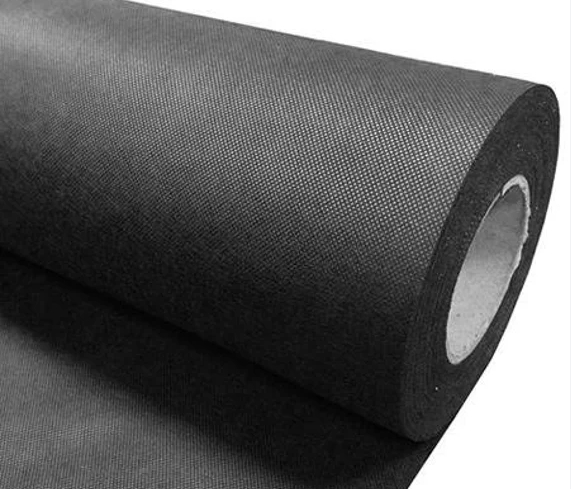
Understanding PP Nonwoven Fabric
PP Nonwoven fabric, also called polypropylene nonwoven fabric, is a synthetic material produced from polymer resins. The manufacturing process involves spinning and bonding polypropylene fibers to create a strong, durable, and non-woven material. Unlike woven fabrics, PP Nonwoven fabric does not require weaving or knitting, which allows it to achieve uniformity, flexibility, and consistent performance across various applications.
Some of the most important characteristics of PP Nonwoven fabric include:
Lightweight: Easy to handle, transport, and process.
Soft Texture: Comfortable for personal protective equipment and clothing applications.
Moisture Resistance: Stable even in damp environments.
Recyclability: Environmentally friendly and sustainable.
These features make PP Nonwoven fabric a go-to material for many industrial and commercial applications.
Key Features of PP Nonwoven Fabric
Strong and Durable
One of the primary advantages of PP Nonwoven fabric is its durability. It possesses high tear and tensile strength, making it ideal for applications that require long-term use. Whether used for geotextiles in construction or agricultural covers, PP Nonwoven fabric maintains its structural integrity even under stress.
Moisture Resistant
PP Nonwoven fabric is inherently hydrophobic, meaning it resists water penetration. This makes it suitable for applications where moisture exposure is likely, such as medical gowns, packaging for perishable goods, or protective covers for crops and plants.
Lightweight and Flexible
Despite its strength, PP Nonwoven fabric is lightweight, which simplifies handling, transportation, and installation. Its flexibility allows it to conform to different shapes and surfaces, making it highly adaptable for diverse industrial needs.
Breathable
Breathability is another key feature of PP Nonwoven fabric. Air can easily pass through the material, which is essential in applications like personal protective equipment, surgical drapes, and face masks. This quality ensures comfort for users while maintaining functional performance.
Recyclable and Sustainable
As sustainability becomes increasingly important, PP Nonwoven fabric stands out due to its recyclability. Used fabrics can be collected and processed for reuse in other applications, helping businesses reduce waste and environmental impact. This makes PP Nonwoven fabric an eco-friendly alternative to other synthetic materials.
Applications of PP Nonwoven Fabric
PP Nonwoven fabric has a wide range of applications across multiple industries, thanks to its versatility and performance features. Some of the most common applications include:
• Healthcare Industry: Medical gowns, face masks, surgical drapes, disposable protective apparel, sterile packaging materials.
• Agriculture: Crop covers and plant protection, soil stabilization and erosion control, weed barriers and greenhouse applications.
• Packaging: Shopping bags and reusable bags, agricultural and industrial packaging, food and product wrapping.
• Construction and Civil Engineering: Geotextiles for soil reinforcement, drainage, and filtration, insulation materials for building and roofing, protective barriers during construction projects.
• Automotive Industry: Car upholstery and interior linings, noise insulation and carpet backing, protective seat covers and automotive filters.
PP Nonwoven fabric is also increasingly used in emerging industries, such as environmental protection products, filtration systems, and specialty industrial applications where lightweight, durable, and breathable materials are essential.
Benefits of Using PP Nonwoven Fabric
Choosing PP Nonwoven fabric offers multiple benefits for businesses and manufacturers:
• Cost-Effectiveness – Compared to other synthetic fabrics, PP Nonwoven fabric is highly affordable while delivering high performance.
• Versatility – Its flexibility, strength, and moisture resistance allow it to be applied in diverse industries without extensive modification.
• Enhanced Safety and Hygiene – In healthcare and food packaging, PP Nonwoven fabric ensures sterile and clean conditions due to its disposable nature and moisture-resistant properties.
• Eco-Friendly Option – Being recyclable, it contributes to sustainable practices and reduces overall environmental impact.
• Ease of Manufacturing – It can be produced in large quantities with consistent quality, reducing operational costs for manufacturers.
Selecting the Right PP Nonwoven Fabric for Your Business
When sourcing materials for your project or production line, consider the following factors:
• Weight and Thickness – Depending on your application, choose lightweight for disposables or thicker options for durability.
• Surface Finish – Smooth finishes are ideal for clothing and healthcare, while textured finishes are better for construction and packaging.
• Treatment Options – Anti-static, water-repellent, or flame-retardant treatments may be applied to meet specific industrial standards.
• Customization – Many suppliers offer custom widths, colors, and laminations to match your production needs.
By selecting the right PP Nonwoven fabric, businesses can optimize performance, reduce costs, and maintain quality standards across applications.
Conclusion
PP Nonwoven fabric is a versatile and high-performance material that meets the demands of modern industries. Its unique combination of strength, moisture resistance, breathability, flexibility, and recyclability makes it a top choice for healthcare, agriculture, packaging, construction, and automotive sectors. Businesses can leverage its affordability and durability to improve product performance while supporting sustainable practices. Whether for protective clothing, industrial packaging, geotextiles, or automotive applications, PP Nonwoven fabric provides an effective solution for reliable and cost-efficient production.
FAQ
Q1: What makes PP Nonwoven fabric suitable for healthcare applications?
A: Its soft texture, breathability, and moisture resistance make it ideal for medical gowns, face masks, and surgical drapes, ensuring both comfort and protection.
Q2: Is PP Nonwoven fabric environmentally friendly?
A: Yes, it is recyclable, promoting sustainability by reducing waste and allowing reuse in various applications.
Q3: Can PP Nonwoven fabric be used outdoors?
A: Absolutely. Its moisture resistance, durability, and UV-stable options make it suitable for agriculture, construction, and geotextile applications.
Q4: How do I choose the right PP Nonwoven fabric for my industry?
A: Consider factors like weight, thickness, surface finish, treatment options, and customization capabilities to match your specific industrial needs.
Post time: Dec-15-2025