
In today’s industrial environment, where cost efficiency, product reliability, and sustainability are increasingly important, material selection plays a critical role in overall product performance and long-term competitiveness. Manufacturers, suppliers, and end users are under constant pressure to identify materials that not only meet technical requirements but also align with budget constraints and environmental responsibilities. Within this context, PP nonwoven fabric has emerged as a widely accepted material solution across multiple industries.
Understanding PP Nonwoven Fabric
PP nonwoven fabric is a synthetic material produced from polypropylene polymer resins through nonwoven manufacturing processes. Unlike traditional woven or knitted textiles, which rely on interlaced yarns, PP nonwoven fabric is formed by directly bonding fibers together. Common production methods include spunbond, meltblown, and needle-punched processes, each offering specific performance characteristics depending on the intended application.
This manufacturing approach improves production efficiency and enables precise control over fabric properties such as weight, thickness, strength, and permeability. As a result, PP nonwoven fabric offers a stable structure and uniform quality while maintaining cost-effectiveness at scale. The material is naturally lightweight, which reduces transportation and handling costs, and it exhibits strong resistance to moisture and many chemicals. These properties make it suitable for use in demanding environments where durability and hygiene are essential.
In addition, polypropylene is inherently recyclable, allowing PP nonwoven fabric to be reprocessed and reused in various forms. This recyclability supports circular economy initiatives and helps organizations meet regulatory and environmental standards. As sustainability considerations become increasingly central to material decisions, PP nonwoven fabric aligns well with long-term environmental objectives.
Key Features of PP Nonwoven Fabric
The widespread adoption of PP nonwoven fabric across industries is largely driven by its balanced and practical performance characteristics. Key features include:
● High strength and durability
PP nonwoven fabric provides reliable tensile and tear strength, ensuring structural stability during use. This makes it suitable for applications that require repeated handling, mechanical stress, or extended service life.
● Excellent moisture resistance
Polypropylene fibers do not absorb water, allowing the fabric to maintain its integrity and performance in humid or wet environments. This property is particularly valuable in healthcare, agriculture, and outdoor applications.
● Lightweight and flexible structure
Despite its strength, PP nonwoven fabric remains lightweight and flexible, making it easy to cut, shape, and process. This flexibility supports efficient manufacturing and customization.
● Adjustable breathability
By modifying fiber structure, bonding methods, and fabric weight, PP nonwoven fabric can achieve varying levels of breathability. This adaptability allows it to meet specific requirements for airflow, comfort, or filtration.
● Recyclable and environmentally responsible
As a recyclable material, PP nonwoven fabric helps reduce material waste and supports sustainable manufacturing practices. Its long service life further contributes to resource efficiency.
These features collectively make PP nonwoven fabric a practical solution for industries seeking materials that balance performance, cost, and environmental responsibility.
Applications of PP Nonwoven Fabric
Thanks to its versatility, PP nonwoven fabric is widely used across a broad range of industries, with applications tailored to specific functional needs.
● Healthcare: medical gowns, masks, surgical drapes
In healthcare settings, PP nonwoven fabric is commonly used for protective and disposable products. Its breathability, moisture resistance, and comfort make it suitable for medical apparel and barrier materials designed to support hygiene and safety standards.
● Agriculture: crop covers, seedling fabrics
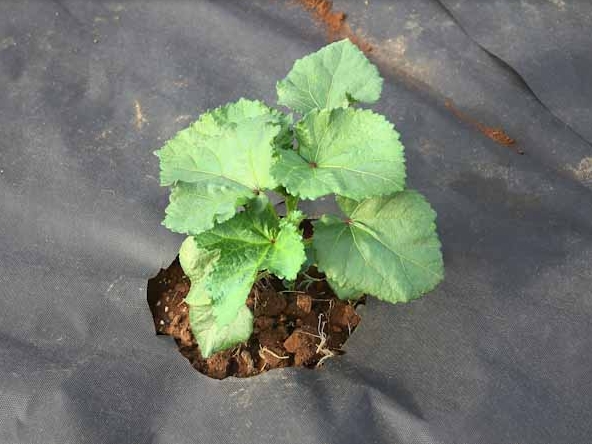
In agriculture, PP nonwoven fabric is applied as crop protection material to regulate temperature, control moisture, and protect plants from pests and frost. Its lightweight structure allows easy installation while maintaining durability under outdoor conditions.
● Packaging: shopping bags, protective packaging
PP nonwoven fabric is widely used in reusable shopping bags and protective packaging due to its strength, flexibility, and cost efficiency. It offers an alternative to traditional plastic packaging while providing enhanced durability.
● Construction: geotextiles, insulation layers
In construction and civil engineering, PP nonwoven fabric serves as geotextile material for separation, filtration, and reinforcement. It also contributes to insulation and protective layers in building systems.
● Automotive: interior linings, sound insulation
Automotive manufacturers use PP nonwoven fabric for interior components such as linings, insulation, and sound-dampening materials. Its lightweight nature supports fuel efficiency and design flexibility.
Specifications such as fabric weight, thickness, color, and functional treatments can be customized based on application requirements, ensuring that PP nonwoven fabric meets both technical and regulatory standards.
Q&A
What makes PP nonwoven fabric suitable for healthcare use?
Its breathability, moisture resistance, and comfort make PP nonwoven fabric ideal for medical protective products such as gowns, masks, and surgical drapes. The material also supports hygienic and disposable applications.
Can PP nonwoven fabric be used outdoors?
Yes, with proper UV-resistant treatment, PP nonwoven fabric can be applied in agricultural and short-term outdoor environments, where it maintains stability and performance under sunlight exposure.
How does PP nonwoven fabric support sustainability?
Made from recyclable polypropylene, PP nonwoven fabric helps reduce material waste and supports circular economy practices. Its durability and reusability further enhance its environmental value.
Conclusion
PP nonwoven fabric offers a balanced combination of durability, flexibility, cost efficiency, and environmental responsibility. Its ability to perform reliably across a wide range of industries makes it a valuable material solution for modern manufacturing and industrial applications. By meeting functional demands while supporting sustainability objectives, PP nonwoven fabric continues to gain relevance in global supply chains.
Product Selection Recommendations
For projects that require stable performance, cost control, and sustainability, PP nonwoven fabric is a practical and reliable material choice. When selecting this material, factors such as application environment, required strength, breathability, and lifecycle expectations should be carefully evaluated. With proper specification and customization, PP nonwoven fabric delivers long-term value across diverse applications and supports efficient, responsible production strategies.
Post time: Dec-22-2025