
The appearance of a finished product can directly influence how customers judge its quality. For products made with Non Woven Polypropylene Fabric, issues such as uneven surfaces, visible differences in texture, inconsistent color, or irregular edges may affect the final result. Even when the material meets basic production requirements, these visual differences can make products look less consistent.
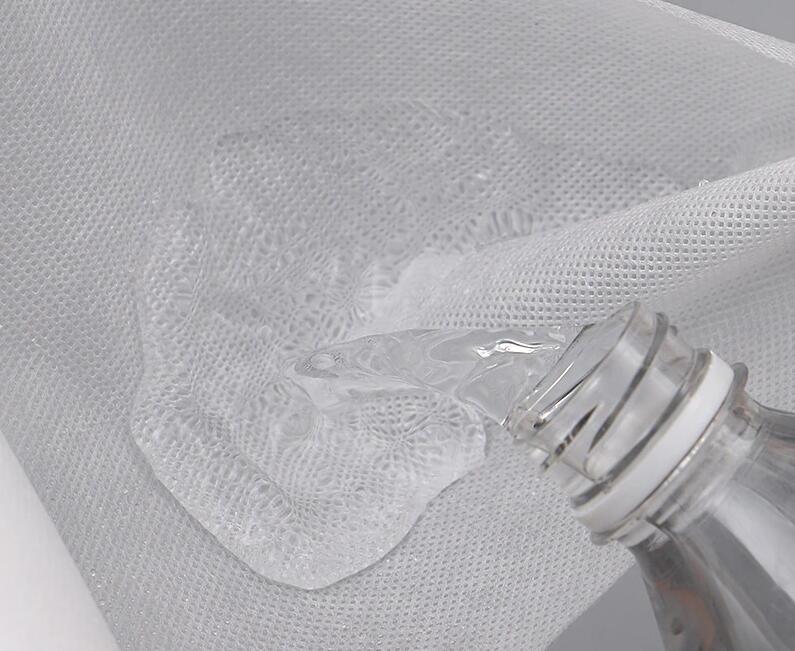
For manufacturers, understanding why these problems occur is important. Uneven appearance does not always come from the same source. It may be related to the fabric itself, material handling, cutting, sewing, or other production processes. Identifying the cause helps manufacturers avoid unnecessary adjustments and maintain more consistent product quality.
What Does Uneven Appearance Look Like?
Uneven appearance can take several forms, depending on the product and how the fabric is processed. Recognizing the specific problem is the first step toward finding an appropriate solution.
One common issue is inconsistent surface texture. Some areas may appear smoother or denser than others, making the finished product look irregular. This can be particularly noticeable on products with large exposed fabric surfaces, such as reusable bags, storage organizers, and packaging materials.
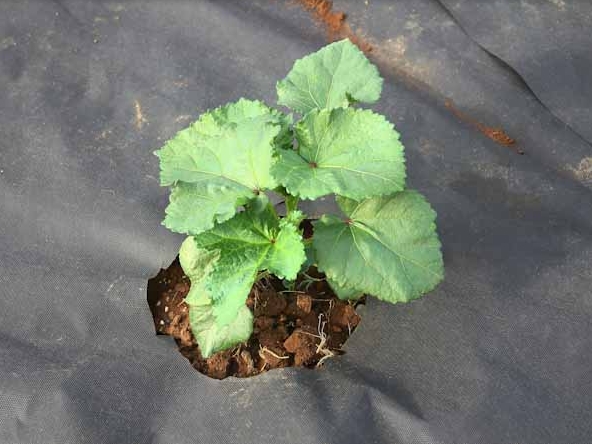
Color differences are another concern. Fabric used in the same product batch may show visible variations in shade, especially when several panels are placed next to each other. Even small differences can become more obvious in products with large surfaces or simple designs.
Manufacturers may also notice uneven edges, wrinkles, or changes in the product’s shape after cutting and assembly. These problems do not necessarily indicate poor fabric quality, but they can affect the appearance and consistency of the finished product.
The important point is to distinguish between a fabric-related issue and a problem introduced during production. Treating every visual defect as a material problem can lead to unnecessary material replacement without solving the actual cause.
How Fabric Characteristics Affect the Final Appearance
The structure and consistency of Non Woven Polypropylene Fabric influence how it looks after processing. If the fabric has noticeable variations across its surface, these differences may become more visible when it is cut into panels or assembled into finished products.
Surface uniformity is particularly important for products where the fabric remains exposed. Differences in texture or density can create visible variations between individual pieces, even when they are produced using the same design.
Color consistency also deserves attention. When a product requires multiple fabric panels, variations between rolls or material batches may result in an inconsistent overall appearance. This is especially relevant for manufacturers producing large quantities of products in the same color.
Fabric flexibility can influence appearance during assembly as well. If the material is difficult to handle or does not remain in position during sewing and shaping, wrinkles and alignment problems may occur. The result may look uneven even if the original fabric surface is consistent.
For this reason, manufacturers should evaluate not only whether the material can be used in production, but also whether its surface and handling characteristics support the appearance expected from the finished product.
Why Production Processes Can Create Visual Differences
Material quality is only one part of the equation. Production methods can also introduce inconsistencies that affect the final appearance of Non Woven Polypropylene Fabric products.
Cutting is one area worth checking. If fabric layers move during cutting or the material is not positioned consistently, individual panels may have different dimensions or irregular edges. These differences can become noticeable after assembly, particularly when several pieces need to align.
Sewing and assembly can create additional problems. Uneven tension, inconsistent seam positions, or improper fabric alignment may cause wrinkles and distorted edges. In bag manufacturing, for example, differences in the positioning of side panels or bottom sections can affect the overall shape.
Printing and finishing processes may also influence appearance. Inconsistent handling or unsuitable processing conditions can result in differences in surface presentation or color. When several production steps are involved, it is useful to inspect the product after each important stage rather than waiting until final inspection.
This approach makes it easier to identify where the problem begins and prevents manufacturers from changing the material when the actual issue lies in production.
How to Identify the Source of an Appearance Problem
Before changing suppliers or replacing a material, manufacturers should compare the fabric before and after processing. This simple step can help narrow down the cause.
If the fabric already shows noticeable differences before entering production, the material itself may require further evaluation. Manufacturers can compare different areas of the same roll and check whether the surface, color, and general appearance remain consistent.
If the fabric looks uniform before processing but becomes uneven after cutting or assembly, production conditions deserve closer attention. Check whether the material shifts during handling, whether cutting dimensions remain consistent, and whether sewing or finishing introduces wrinkles or distortion.
It is also useful to compare products made from different material rolls. If the same production process produces different visual results with different rolls, material consistency may be a factor. If the problem appears across all rolls, the production method may be more likely to require adjustment.
Keeping samples from different stages of production provides a practical reference. It allows manufacturers to compare the original fabric, cut pieces, assembled components, and finished products instead of relying only on visual impressions at the end.
Practical Ways to Improve Finished Product Consistency
Once the source of uneven appearance is identified, manufacturers can focus on the relevant part of the process rather than making broad changes.
Several practices can help:
- Inspect incoming fabric: Check surface appearance, color consistency, and visible defects before materials enter production. Compare samples from different rolls when necessary.
- Keep cutting conditions consistent: Ensure the fabric is positioned properly and does not shift during cutting. Check panel dimensions before assembly.
- Control assembly quality: Pay attention to fabric alignment, seam placement, and handling tension to reduce wrinkles and shape differences.
- Separate and track material batches: Record which rolls are used for each production order so that differences can be traced if visual problems appear.
- Evaluate finished samples: Inspect products under consistent lighting and compare them against approved samples before starting large-scale production.
These steps are particularly useful for products with large visible surfaces or repeated designs. They help manufacturers maintain a more consistent appearance without automatically increasing material weight or changing the entire production process.
What to Confirm When Purchasing Non Woven Polypropylene Fabric
If appearance consistency is important to the finished product, material requirements should be discussed clearly before ordering. Simply requesting Non Woven Polypropylene Fabric may not provide enough information for a supplier to understand the expected result.
Manufacturers should explain the intended application, required color, surface appearance, and subsequent processing methods. If the product involves printing, sewing, lamination, or other finishing processes, these details should also be shared.
Reference samples are especially helpful. A physical sample gives both parties a clearer understanding of the expected surface and appearance. It can also serve as a comparison point when evaluating materials before bulk production.
For larger orders, it is sensible to confirm the acceptable appearance range and discuss how material batches will be managed. This helps reduce misunderstandings and makes quality evaluation more objective.
Finding the Right Nonwoven Material for Your Product
Material selection and production requirements need to be considered together when appearance consistency matters. Vinner offers different nonwoven fabric options, including PP spunbond, PET spunbond, RPET spunbond, PLA spunbond, and needle-punched fabrics. Manufacturers looking for Non Woven Polypropylene Fabric can discuss their intended application, appearance expectations, and processing requirements to identify a suitable material option. Reviewing samples before bulk production can help confirm whether the fabric meets the needs of the finished product.
Conclusion
Uneven appearance in products made with Non Woven Polypropylene Fabric can result from material differences, handling, cutting, sewing, or finishing processes. The most effective way to address the issue is to identify where the inconsistency begins rather than immediately replacing the material. By checking fabric samples, maintaining consistent production methods, and communicating appearance requirements clearly, manufacturers can improve finished product consistency and reduce avoidable quality problems.
FAQ
Q1: Can non woven polypropylene fabric have different surface textures?
Yes. Surface appearance can vary depending on fabric construction and production conditions. Manufacturers should confirm that the selected material matches the appearance expected for the finished product.
Q2: Why do products made from the same fabric sometimes look different?
Differences may come from cutting, sewing, material handling, or finishing. Fabric batches can also vary, so checking both incoming material and production processes is important.
Q3: Should manufacturers request samples before ordering non woven polypropylene fabric in bulk?
Yes. Samples allow manufacturers to assess surface appearance and test the material using their intended production methods before committing to a larger order.
Post time: Nov-13-2026