
Non Woven Polypropylene Fabric is widely used in bags, packaging products, protective covers, and other manufactured items. In many of these applications, the fabric needs to be joined without conventional sewing. Heat sealing provides one possible solution by using controlled heat and pressure to bond selected areas of the material. However, successful heat sealing depends on more than whether a fabric contains polypropylene. Fabric construction, thickness, surface condition, sealing equipment, and product design all influence the final result.
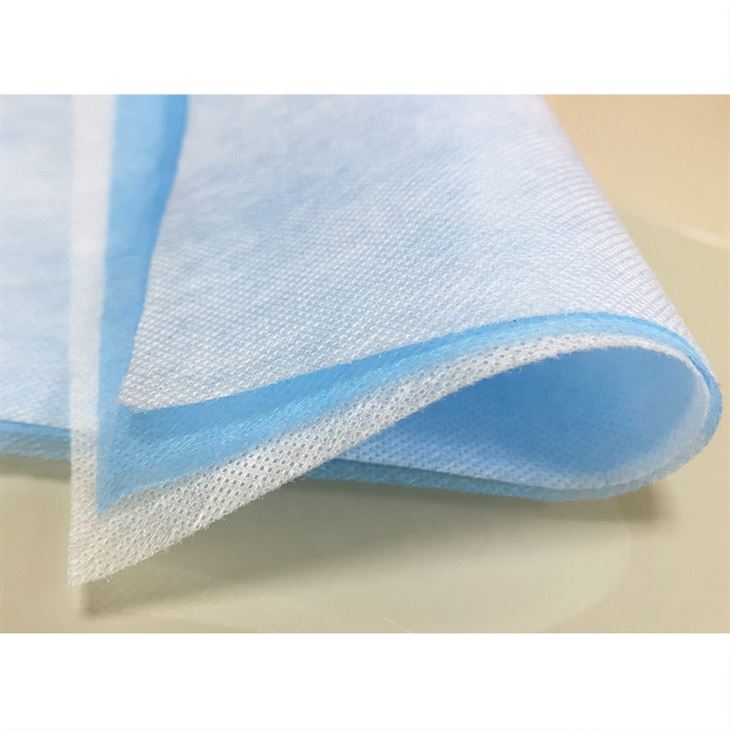
How Heat Sealing Works with Polypropylene Nonwoven Fabric
Heat sealing joins thermoplastic materials by applying heat and pressure to selected contact areas. Under suitable conditions, the polypropylene fibers or bonding layers soften enough to form a connection. After cooling, the bonded area becomes part of the finished structure. Unlike sewing, which creates a connection through thread and needle penetration, heat sealing can produce a joint without adding separate stitching materials. This can be useful for products that require a relatively clean appearance or a consistent seam along a defined edge.
The process is especially relevant to nonwoven products because their structures differ from those of conventional woven fabrics. A nonwoven sheet is formed through fiber bonding rather than yarn interlacing. Its response to heat therefore depends on the fiber arrangement, bonding method, and overall material construction.
Not every polypropylene nonwoven fabric behaves identically during sealing. A material designed for one application may not provide the same bonding result under another set of processing conditions. Testing the actual fabric is therefore more reliable than assuming that all PP nonwovens can use the same sealing settings.
Why Fabric Construction Influences Bonding Results
In spunbond polypropylene fabric, continuous filaments are formed into a web and bonded to create a sheet. The resulting structure can provide a combination of flexibility, strength, and relatively uniform coverage.
During heat sealing, the material must respond consistently across the intended bonding area. If the fabric structure varies, some sections may form stronger connections than others. This can become noticeable when a product has long seams, multiple sealed edges, or repeated bonding points.
- Fiber arrangement: The distribution of fibers can influence how evenly the material responds to heat and pressure across the sealing area.
- Fabric thickness and weight: These characteristics affect heat transfer and the amount of material involved in the bonding process. A change in fabric weight may require the sealing process to be evaluated again.
- Surface consistency: Uneven surfaces or differences between material sections can affect contact with the sealing element and contribute to inconsistent seams.
These characteristics should be considered together rather than evaluated independently. A fabric that performs well in a small test area may still need further assessment when used in a larger product or a continuous production process.
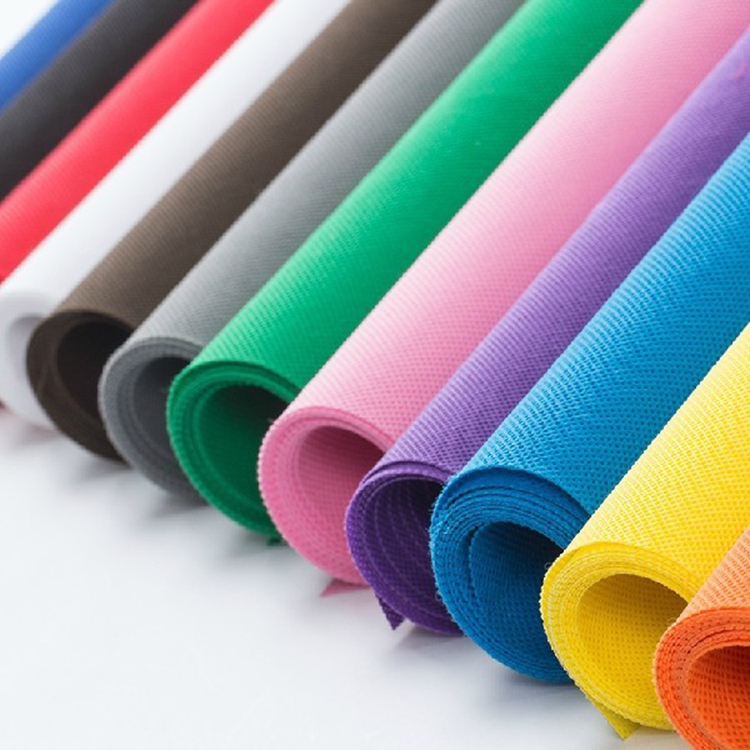
Common Problems in Heat-Sealed Nonwoven Products
One common issue is incomplete bonding. If the applied heat or pressure is insufficient, the contact surfaces may not form a stable connection. The seam can then separate when the finished product is pulled, folded, or loaded.
Excessive heat can create a different problem. Instead of producing a clean joint, the material may become distorted, shrink, or develop an uneven appearance. This is particularly important for products where the seam is visible or positioned near a finished edge. Inconsistent pressure can also lead to uneven bonding. If the sealing element does not contact the material uniformly, one part of the seam may be secure while another remains weak. This can make product quality difficult to maintain during longer production runs.
The solution is not simply to increase temperature or pressure. Manufacturers need to identify whether the problem comes from the material, equipment, sealing time, contact conditions, or product structure.
Matching Sealing Conditions with Product Design
The design of the finished product determines where and how heat sealing is applied. A simple flat pouch, for example, has different bonding requirements from a reusable shopping bag with reinforced corners or multiple layers.
For a pouch, the sealing area often needs to prevent the contents from escaping. The joint must therefore be evaluated in relation to the product’s intended contents, handling conditions, and expected use. For a bag, the seams may experience repeated pulling and loading, particularly around the bottom and side panels.
Product geometry also affects how easily the sealing equipment can reach the intended bonding area. Narrow edges, curved sections, overlapping layers, and reinforced sections may require different tooling or positioning arrangements.
- Seam location: Place bonded areas where they can provide the required connection without interfering with the product’s function or appearance.
- Layer arrangement: Check how many fabric layers overlap and whether the sealing equipment can apply consistent pressure across them.
- Load distribution: Consider where the finished product will experience pulling, bending, or repeated handling, then evaluate whether the sealed joints can withstand those conditions.
A well-designed seam should support the product’s intended use rather than simply provide a connection during manufacturing. This is why material selection and product design should be considered together.
Testing Sealed Joints Before Mass Production
A short production trial can reveal problems that are difficult to identify through material descriptions alone. Before moving into larger production volumes, manufacturers should test the selected Non Woven Polypropylene Fabric using the equipment and product structure intended for actual manufacturing.
The first step is to evaluate the basic sealing result. The bonded area should be inspected for gaps, uneven edges, visible deformation, and incomplete connections. If the product requires a clean external appearance, visual consistency should also be included in the assessment. Next, the joint should be tested under conditions that represent normal product use. Depending on the application, this may involve pulling, folding, loading, or repeated handling. A seam that looks acceptable immediately after sealing may not remain reliable when the product is used.
It is also useful to compare samples made with different process settings. Adjusting one variable at a time, such as sealing temperature, pressure, or dwell time, makes it easier to understand how each change affects the result. The appropriate settings should be determined through testing rather than copied from another material or production line. Once a suitable process has been identified, the results should be documented.
When Heat Sealing May Not Be the Only Option
Although heat sealing is useful for many polypropylene nonwoven products, it is not automatically the best joining method for every design. Some products may require sewing, adhesive bonding, ultrasonic welding, or a combination of different techniques.
The choice depends on the required seam appearance, production speed, product structure, and expected mechanical demands. Sewing may be considered when a design requires a particular stitched appearance or when the product construction makes thermal bonding difficult. Adhesive bonding may be relevant when heat exposure needs to be limited, although adhesive compatibility and long-term performance must also be evaluated. For products with multiple layers or complex shapes, manufacturers may use different joining methods in separate areas. For example, a product may combine heat-sealed edges with stitched handles. The key is to ensure that each joining method is appropriate for the part of the product where it is used.
Selecting Polypropylene Nonwoven Fabric for Your Application
Choosing the right material requires more than specifying polypropylene as the raw material. Manufacturers should consider the intended product, required fabric weight, surface characteristics, flexibility, and joining process. These details help determine whether a particular fabric construction can support the planned production method. For applications involving heat sealing, it is useful to provide the material supplier with information about the finished product and its processing requirements. Details such as the number of fabric layers, seam position, expected handling conditions, and equipment type can make material discussions more specific.
Vinner offers nonwoven material options including PP spunbond, PET spunbond, RPET spunbond, PLA spunbond, and needle-punched fabrics. For projects that require Non Woven Polypropylene Fabric, PP spunbond can be considered according to the intended product structure and processing needs.
Conclusion
Heat sealing can provide an effective joining method for many polypropylene nonwoven products, but the result depends on the relationship between material construction, equipment settings, and product design. Fabric consistency, appropriate bonding conditions, and practical testing all contribute to reliable seams. By evaluating these factors before mass production, manufacturers can reduce processing problems and develop nonwoven products that better match their intended applications.
FAQs
1. Can polypropylene nonwoven fabric be heat sealed without additional materials?
Some polypropylene nonwoven structures can be directly heat sealed, but suitability depends on their construction and bonding characteristics. Actual samples should be tested with the intended equipment.
2. Why does a heat-sealed seam sometimes become weak after folding?
Repeated folding can place stress on the bonded area. The cause may involve insufficient bonding, excessive heat exposure, unsuitable seam positioning, or a design that concentrates stress at one point.
3. Does a heavier nonwoven fabric always produce a stronger heat-sealed joint?
No. Fabric weight alone does not determine seam strength. Material construction, bonding conditions, and the way the finished product distributes loads also matter.
Post time: Nov-10-2026