
otecting crops and fruit requires more than covering a growing area with any type of mesh. The material needs to suit the plants, provide appropriate coverage, and remain practical to install and maintain. Differences in crop size, growth patterns, planting layouts, and environmental conditions can all affect the choice.
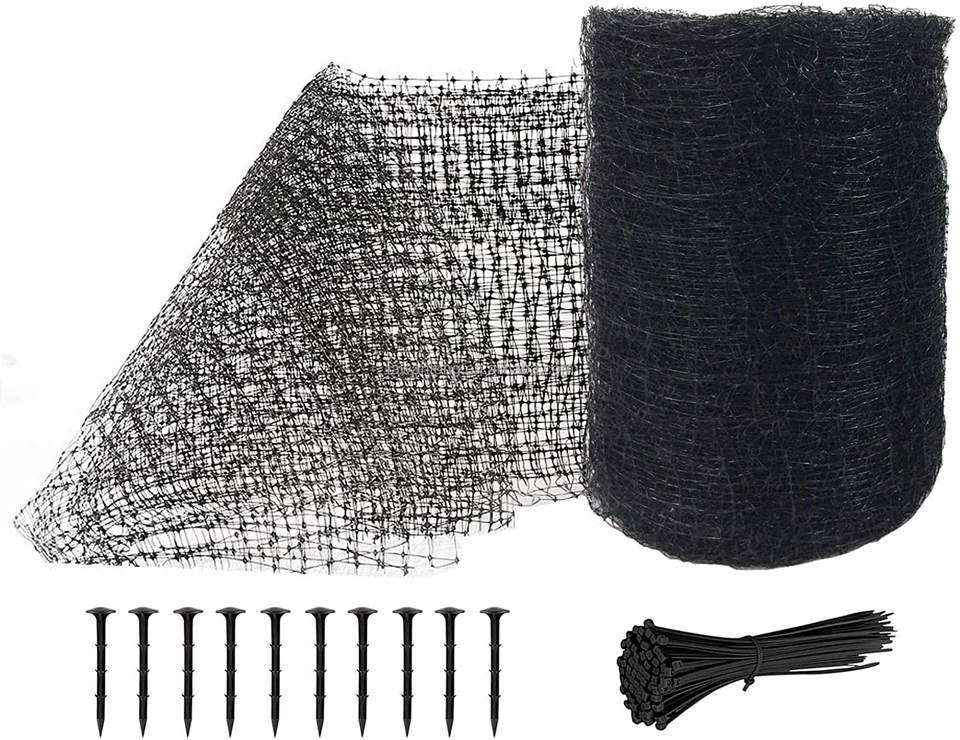
nitted Plastic Netting is a flexible mesh material that can be considered for agricultural applications involving crops and fruits. However, choosing the right product should not be based only on appearance or mesh density. Buyers should first identify the protection requirement and then consider mesh characteristics, dimensions, and installation conditions.
Start with the Crop Protection Requirement
Before selecting Knitted Plastic Netting, growers should determine what the mesh needs to achieve. The intended application directly affects the required dimensions, coverage method, and mesh characteristics.
For individual plants, the netting needs to provide enough coverage without restricting normal growth. Sufficient space should be left for stems, leaves, and developing fruit. A piece that is too small may become difficult to adjust as the plant grows, while excessive material can make installation and maintenance less convenient. For rows of crops, continuous coverage may be more practical. In this case, buyers should consider the length and width of the planting area, available support structures, and how the netting will be secured. The objective is to achieve consistent coverage without creating unnecessary gaps or loose sections.
Fruit-bearing plants require additional attention to the position of developing fruit. The covering arrangement should provide the intended protection without creating unnecessary pressure or contact. Understanding the plant structure before selecting the material can therefore prevent many fitting problems. Rather than asking which mesh is generally better, buyers should first ask which product characteristics are appropriate for their particular growing arrangement.
Matching Mesh Characteristics with Growing Needs
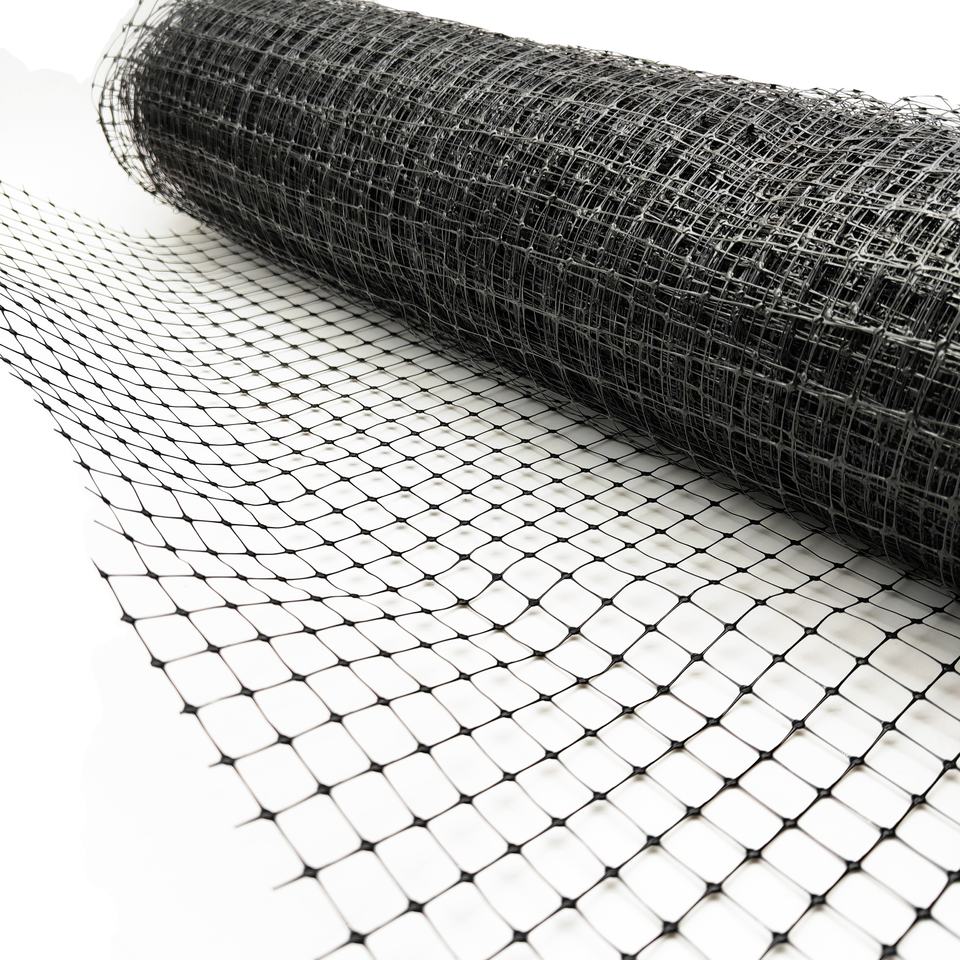
Several characteristics should be considered when comparing Knitted Plastic Netting, with mesh opening, flexibility, and material dimensions being especially important.
Mesh opening affects the openness of the netting and should be selected according to the intended application. A more open structure may be appropriate where visibility and air movement are important, while a denser structure may provide a different level of physical separation. Smaller openings are not automatically better; the choice should correspond to the actual protection requirement.
Flexibility influences how easily the netting can follow the shape of a plant or growing area. This can be useful when the installation area is irregular or when different sections need to be positioned around plants. However, flexibility does not mean the material should be stretched excessively. Installation tension and support still need to be considered.
Material dimensions determine whether the netting can cover the required area efficiently. Buyers should consider the width and length needed, along with any additional material required for positioning and securing the mesh.
These characteristics should be evaluated together. For example, selecting an appropriate mesh opening is not enough if the material dimensions do not suit the installation area. Likewise, a flexible product may still be inconvenient if it requires excessive cutting or cannot be properly supported.
Choosing the Right Coverage Method
|
Application |
Main consideration |
Practical approach |
| Individual plants | Coverage and growth space | Prepare appropriately sized sections |
| Crop rows | Continuous coverage | Plan support and fixing points in advance |
| Fruit-bearing plants | Fruit position and plant shape | Avoid unnecessary pressure or contact |
| Irregular areas | Adaptability and cutting | Test a sample before preparing large quantities |
For individual plants, smaller sections can make positioning and adjustment easier. Before cutting, growers should estimate the required coverage and consider whether the netting needs to be removed during routine maintenance.
For crop rows, roll-form material may be useful when longer sections are required. Measuring the area before ordering can help prevent excessive waste or a width that is difficult to install.
Irregular planting areas may require more flexible coverage arrangements. In these cases, the ability to prepare different lengths from a roll can be useful. A small sample should be tested first to confirm that the material can be cut and positioned as required.
Common Selection Problems to Avoid
One common mistake is choosing mesh density based on the assumption that a denser mesh always provides better protection. In reality, the appropriate structure depends on what the netting is expected to do. Buyers should define the protection requirement first and then compare available mesh options.
Another problem is ordering material according to the exact dimensions of the planting area without allowing for installation. Additional material may be needed for positioning and securing the edges. Taking these requirements into account before ordering can make installation much easier.
Plant growth should also be considered. A covering that fits a plant at one stage may become restrictive later. Growers should consider whether the material can be adjusted as the crop develops and whether routine access to the plants will remain convenient.
It is also important to distinguish between different types of plastic netting. Knitted Plastic Netting and extruded plastic netting have different manufacturing structures, so they should not automatically be treated as interchangeable. The appropriate option depends on the required flexibility, mesh structure, and installation conditions.
How to Evaluate the Product Before Larger-Scale Use
A sample test is one of the most practical ways to reduce the risk of selecting unsuitable netting. Instead of relying entirely on photographs or general product descriptions, buyers can evaluate the material under conditions similar to the intended application.
First, check the mesh structure and opening. Confirm that the mesh is consistent and suitable for the intended coverage. If the material may come into contact with crops or fruit, examine how its surface behaves when positioned around the plant.
Next, test flexibility by placing the sample around a representative plant or support structure. The material should be practical to position without requiring excessive stretching. This test can also reveal whether the selected width provides enough coverage. Cutting should be evaluated if the project requires multiple sections. Preparing a small sample can help buyers understand how the material behaves after cutting and whether it fits their installation process.
Finally, consider maintenance. The netting should allow growers to inspect and manage the plants when necessary. A covering that is difficult to reposition or remove may increase labor during routine crop management.
What Buyers Should Confirm Before Ordering
Once the application has been defined, providing detailed information to the supplier can make product selection more accurate. Instead of requesting general agricultural netting, buyers should explain how and where the material will be used.
Important information includes the crop or fruit involved, approximate coverage dimensions, preferred mesh characteristics, installation method, and required supply format. Buyers should also clarify whether the material will be installed over individual plants, across crop rows, or around a larger growing area. Photographs, drawings, or measurements of the installation area can be useful when the application is difficult to describe. If the project requires different sections, buyers should also explain the expected cutting requirements.
Where practical, requesting a sample before placing a larger order allows the user to check the mesh structure, flexibility, dimensions, and handling characteristics. This simple step can reduce the risk of purchasing material that looks suitable but does not work well in the intended application.
Finding a Suitable Knitted Plastic Netting Solution
For agricultural applications requiring flexible mesh coverage, Knitted Plastic Netting is an option worth evaluating. Vinner offers knitted plastic netting in roll form for applications involving crops and fruits. The roll format can support different coverage requirements, while the material can be prepared according to the dimensions needed for a particular installation.
The best product should be selected according to the crop application, required dimensions, mesh characteristics, and installation method. Sharing these details with the supplier before ordering can help buyers determine whether the available netting matches their actual requirements.
Conclusion
Selecting agricultural netting should begin with the intended protection requirement rather than simply the appearance or density of the mesh. Knitted Plastic Netting can be considered for crop and fruit applications where flexible coverage is needed. By matching mesh characteristics with the planting arrangement, checking dimensions, and evaluating a sample before larger-scale use, growers can make more informed purchasing decisions and reduce the risk of choosing unsuitable material.
FAQ
1. Can knitted plastic netting be used for different planting layouts?
It can be considered for individual plants, crop rows, and other growing arrangements, provided the product dimensions and mesh characteristics suit the intended installation.
2. What should I check when comparing knitted plastic netting products?
Focus on the mesh opening, flexibility, available dimensions, supply format, and suitability for the intended installation. A sample can provide a more practical basis for comparison.
3. Is knitted plastic netting the same as extruded plastic netting?
No. They are produced using different manufacturing processes and can have different structural characteristics. The choice should depend on the requirements of the specific agricultural application.
Post time: Nov-18-2026