
In busy industrial garages, workshops, and maintenance areas, flooring safety is often overlooked—until accidents or damage occur. A non-slip PVC garage floor mat is not just a simple accessory; it is a practical solution that directly impacts worker safety, equipment stability, and overall operational efficiency.
For B2B buyers, the real question is not whether to use garage floor mats, but how to select the right type that meets performance, durability, and cost-efficiency expectations. This article answers the most common user concerns and helps you make informed decisions.
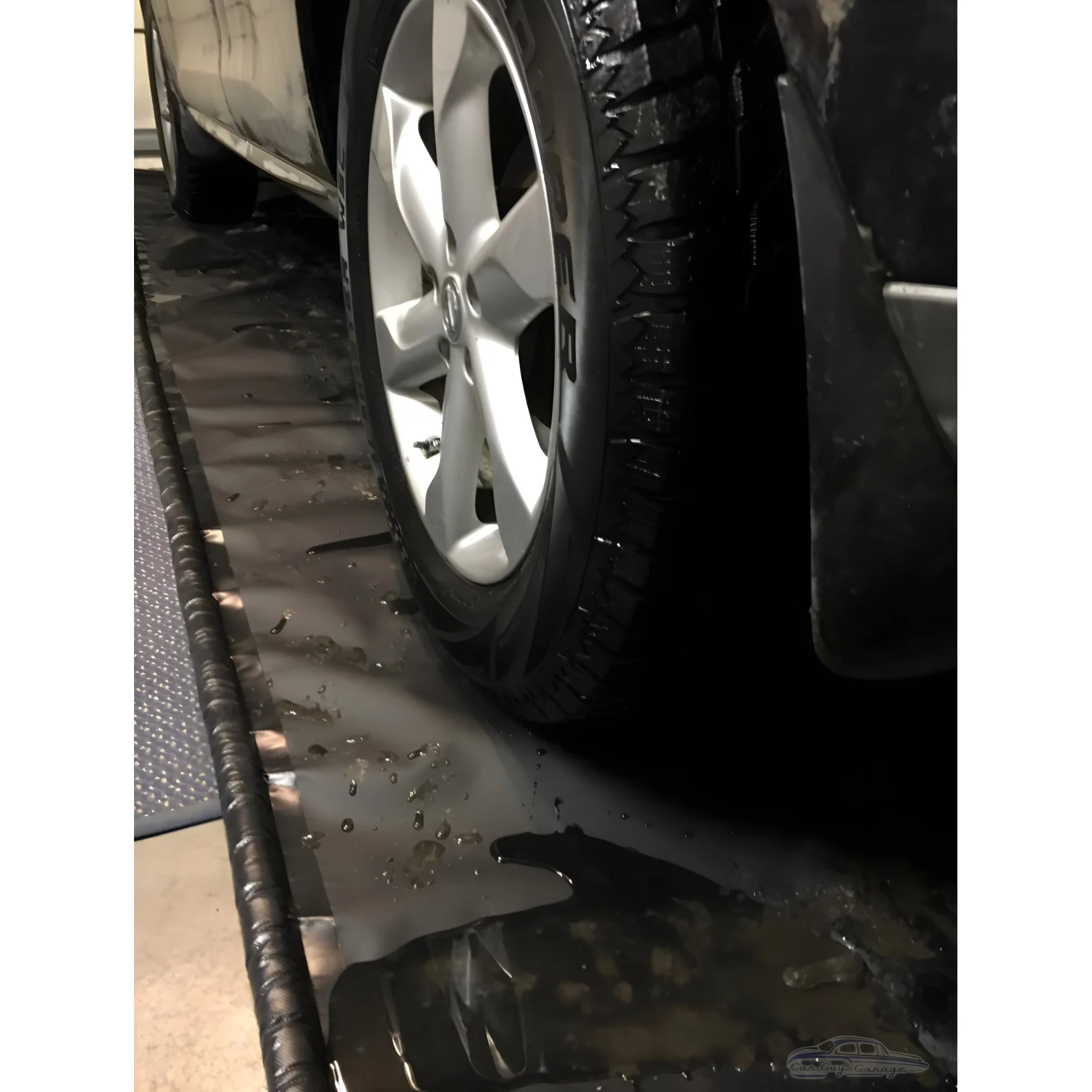
What Is a Non-Slip PVC Garage Floor Mat and Why Does It Matter?
A non-slip PVC garage floor mat is a durable flooring solution made from polyvinyl chloride (PVC), designed to provide traction, protect underlying floors, and withstand harsh working environments.
Unlike traditional rubber mats or untreated concrete floors, PVC mats offer a balance of flexibility, chemical resistance, and ease of maintenance. Their anti-slip surface significantly reduces the risk of workplace accidents caused by oil, water, or dust.
For industries such as automotive repair, logistics, and manufacturing, these mats play a crucial role in maintaining safe and efficient operations.
What Problems Can a Non-Slip PVC Garage Floor Mat Solve?
Many buyers invest in floor protection only after facing recurring issues. A high-quality PVC garage floor mat addresses several key challenges:
● Slippery surfaces caused by oil spills, water, or grease
● Floor damage from heavy equipment, tools, or vehicle traffic
● Worker fatigue from standing on hard concrete for long hours
● Frequent cleaning and maintenance costs
● Noise and vibration from machinery
By solving these issues, businesses can reduce downtime and improve overall productivity.
What Are the Key Features to Look For?
When selecting a non-slip PVC garage floor mat, understanding the technical features is essential to ensure long-term performance.
● Anti-slip texture: Provides strong grip even in wet or oily conditions
● High durability: Resistant to wear, tearing, and deformation under heavy loads
● Oil and chemical resistance: Suitable for industrial and automotive environments
● Waterproof design: Prevents liquid penetration and protects subfloors
● Shock absorption: Enhances comfort and reduces fatigue
● Modular or roll format: Easy to install and customize for different spaces
These features ensure the mat performs reliably under demanding conditions.
Where Are Non-Slip PVC Garage Floor Mats Commonly Used?
PVC garage floor mats are widely used across industries where safety and durability are critical.
● Automotive workshops and service centers
● Warehouses and distribution hubs
● Industrial manufacturing facilities
● Parking garages and commercial vehicle areas
● Equipment maintenance zones
Their versatility makes them suitable for both indoor and semi-outdoor environments.
How Do PVC Mats Compare to Other Materials?
Buyers often compare PVC mats with rubber or epoxy flooring. Each has its advantages, but PVC stands out in several ways:
● Lighter weight compared to rubber, making installation easier
● Better resistance to oils and chemicals than many traditional materials
● More cost-effective than epoxy flooring systems
● Flexible and less prone to cracking under temperature changes
While rubber mats may offer slightly higher impact resistance, PVC mats provide a balanced solution for most industrial applications.
How to Choose the Right Non-Slip PVC Garage Floor Mat?
Choosing the right mat depends on your specific working conditions and operational needs.
● Thickness: Thicker mats provide better durability and cushioning
● Surface pattern: Diamond, coin, or textured surfaces improve grip
● Load capacity: Ensure the mat can support vehicles or machinery
● Size and layout: Choose between rolls or interlocking tiles based on space
● Environment: Consider exposure to chemicals, temperature, and moisture
● Maintenance requirements: Easy-to-clean surfaces reduce long-term costs
Matching these factors to your application ensures optimal performance and return on investment.
What Are the Latest Trends in PVC Garage Floor Mats?
As industrial environments evolve, so do flooring solutions. Modern PVC mats are designed with enhanced functionality and sustainability.
● Eco-friendly PVC materials with lower environmental impact
● Improved drainage designs for better liquid management
● Interlocking modular systems for quick installation and replacement
● Enhanced ergonomic features for worker comfort
These innovations reflect the growing demand for safer and more efficient workplaces.
Conclusion
A non-slip PVC garage floor mat is a practical investment that improves safety, protects infrastructure, and enhances operational efficiency. For B2B buyers, selecting the right product is not just about price—it is about long-term performance, durability, and suitability for the working environment.
By understanding key features, application scenarios, and user-focused concerns, businesses can choose a solution that delivers real value and supports sustainable operations.
FAQ
1. Are non-slip PVC garage floor mats suitable for heavy vehicles?
Yes, high-quality PVC mats are designed to handle heavy loads, including vehicles and industrial equipment, without deformation.
2. Can PVC mats resist oil and chemical spills?
PVC materials offer excellent resistance to oil, grease, and many chemicals, making them ideal for garages and industrial settings.
3. How easy is it to install PVC garage floor mats?
Most PVC mats come in roll or interlocking tile formats, allowing quick and simple installation without specialized tools.
4. How do PVC mats improve workplace safety?
By providing a stable, anti-slip surface and reducing fatigue, PVC mats help minimize accidents and create a safer working environment.
Post time: Mar-30-2026