
PP woven weed barrier is a practical ground cover fabric used in gardens, nurseries, farms, greenhouses, orchards, and landscape projects. It is usually made from polypropylene woven material and designed to block weed growth while still allowing air and water movement through the soil surface. For growers, landscapers, distributors, and garden product buyers, PP woven weed barrier offers a simple way to reduce manual weeding, protect planting areas, and improve ground management.
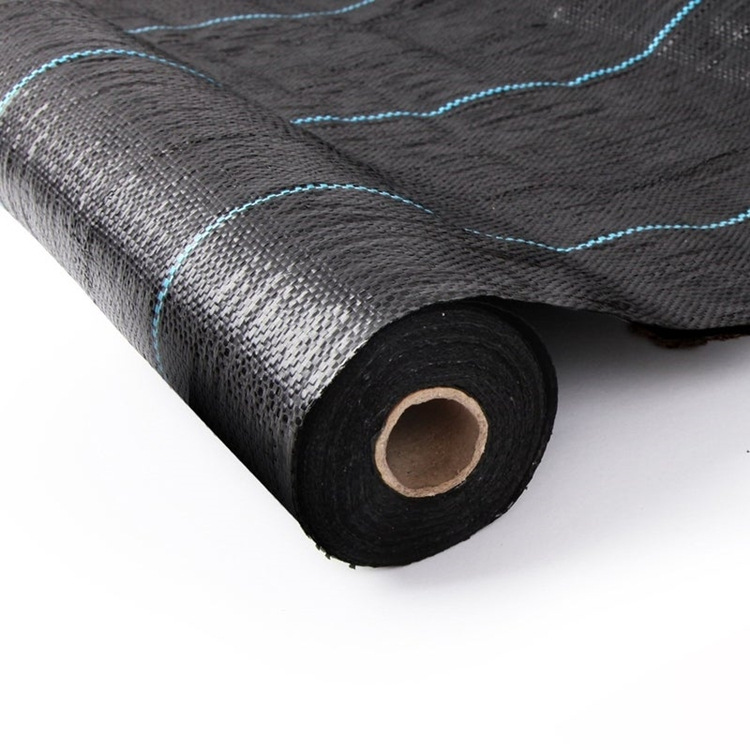
What Is PP Woven Weed Barrier?
PP woven weed barrier, also called PP woven landscape fabric or woven ground cover, is a fabric made from polypropylene tapes woven into a strong and stable structure. Unlike thin plastic film, woven weed barrier has better strength and is more suitable for repeated outdoor use.
Its main function is to cover the soil surface and reduce sunlight exposure, which helps prevent weed seeds from growing. At the same time, the woven structure allows limited air and water movement, helping the soil maintain a more suitable growing condition.
This makes it suitable for both commercial agriculture and home garden applications.
Why Is PP Woven Weed Barrier Used for Weed Control?
Weeds compete with plants for water, nutrients, sunlight, and growing space. In gardens, nurseries, orchards, and planting beds, uncontrolled weeds can increase labor cost and reduce plant growth quality.
PP woven weed barrier helps solve this problem by creating a physical layer over the soil. When sunlight is blocked, many weeds cannot grow normally. This reduces the need for frequent manual weeding or chemical weed control.
For farms and landscape projects, this means:
- Less weed growth
- Lower maintenance labor
- Cleaner planting rows
- Better soil surface management
- More organized garden or crop areas
For buyers, the value of PP woven weed barrier is not only weed control, but also improved project efficiency.
PP Woven Weed Barrier vs Plastic Film
Many buyers compare woven weed barrier with ordinary plastic film. Both can cover the soil, but their performance is different.
|
Comparison |
PP Woven Weed Barrier |
Plastic Film |
| Material Structure | Woven polypropylene fabric | Thin plastic sheet |
| Strength | Stronger and more durable | Easier to tear |
| Water Movement | Allows limited water and air movement | Usually blocks water and air |
| Reusability | More suitable for repeated use | Often used short term |
| Main Use | Garden, nursery, landscape, agriculture | Temporary covering, mulch film |
| Installation | Can be fixed with staples or pegs | Easy to lay but may tear easily |
PP woven weed barrier is more suitable when buyers need stronger ground cover, better durability, and cleaner long-term weed control.
Where Can PP Woven Weed Barrier Be Used?
PP woven weed barrier can be used in many planting and ground cover applications.
In garden beds, it helps reduce weeds around flowers, vegetables, shrubs, and decorative plants.
In nurseries, it helps keep container plant areas cleaner and reduces weed growth between pots.
In orchards, it can be used along tree rows to control ground weeds and support easier maintenance.
In greenhouses, it provides a clean walking and working surface while helping manage weed growth.
In landscape projects, it can be placed under mulch, gravel, decorative stones, or planting areas.
In agriculture, it can support crop rows, vegetable planting, and ground management where weed control is needed.
This wide application makes it suitable for both professional growers and retail garden markets.
How Does PP Woven Weed Barrier Support Plant Growth?
Although weed control is the main purpose, PP woven weed barrier can also help create a cleaner and more stable planting environment.
By reducing weed competition, plants can receive more water, nutrients, and growing space. The fabric also helps reduce soil disturbance because workers do not need to weed as frequently. In some applications, it can help maintain soil moisture by reducing direct evaporation from the soil surface.
For garden and agriculture users, this can support healthier plant development and easier field management.
Installation Tips for Better Performance
Proper installation helps the fabric work better. Before laying the weed barrier, the ground should be cleared of large stones, sharp objects, and existing weeds. The fabric should be laid flat and overlapped at the edges to prevent weeds from growing through gaps.
For planting applications, holes can be cut according to plant spacing. Fixing pins, staples, or pegs can be used to keep the fabric in place. In windy areas, proper fixing is especially important.
If the fabric is used under mulch, gravel, or decorative stones, the top layer can help improve appearance and protect the fabric from long-term direct exposure.
PP Woven Weed Barrier from Vinner
Vinner supplies PP woven weed barrier, PP woven landscape fabric, PP/PET needle-punched geotextile fabrics, PP/PET/RPET/PLA nonwoven spunbond fabrics, garden products, netting, shade products, and other outdoor covering materials.
With experience in multipurpose fabrics and garden-related materials, Vinner can support buyers who need weed control fabric for agriculture, nursery, greenhouse, landscape, and retail garden markets. Different roll widths, lengths, fabric weights, colors, packaging methods, and OEM requirements can be matched according to customer needs.
For buyers looking for reliable PP woven weed barrier products, Vinner provides material options that can support both professional planting projects and consumer garden applications.
Conclusion
PP woven weed barrier is a useful ground cover fabric for controlling weeds, reducing maintenance, supporting soil moisture management, and keeping garden or agriculture areas cleaner. Its woven polypropylene structure provides strength, durability, and practical outdoor performance.
When choosing PP woven weed barrier, buyers should consider material strength, UV resistance, water permeability, roll size, color, installation method, packaging, and customization options. A suitable weed barrier fabric can help improve garden, nursery, greenhouse, orchard, landscape, and agriculture project efficiency.
FAQ
1. What is PP woven weed barrier used for?
PP woven weed barrier is used to control weeds in gardens, nurseries, greenhouses, orchards, landscape projects, and agriculture planting areas.
2. Is PP woven weed barrier water permeable?
Yes. PP woven weed barrier usually allows limited water and air movement through the fabric structure, helping irrigation or rainwater reach the soil.
3. Is PP woven weed barrier better than plastic film?
PP woven weed barrier is generally stronger, more durable, and more suitable for long-term outdoor weed control than thin plastic film.
4. Can PP woven weed barrier be customized?
Yes. PP woven weed barrier can be customized in fabric weight, roll width, roll length, color, marking lines, packaging, labeling, and OEM requirements.
Post time: Jul-15-2026