
Capped Woven Needlepunched Fabrics are functional ground cover materials designed for garden, nursery, landscape, and agricultural applications. Compared with ordinary weed control fabric, this type of fabric combines a woven base with a needlepunched surface structure, helping improve durability, weed control, soil moisture protection, and overall ground covering performance.
For landscaping projects and planting areas, ground cover fabric is not only used to block weeds. It also affects soil condition, surface cleanliness, plant growth environment, and long-term maintenance. This is why capped woven needlepunched fabrics are often selected for applications where a stronger and more stable garden fabric is needed.
A Composite Structure Made for Ground Cover Use
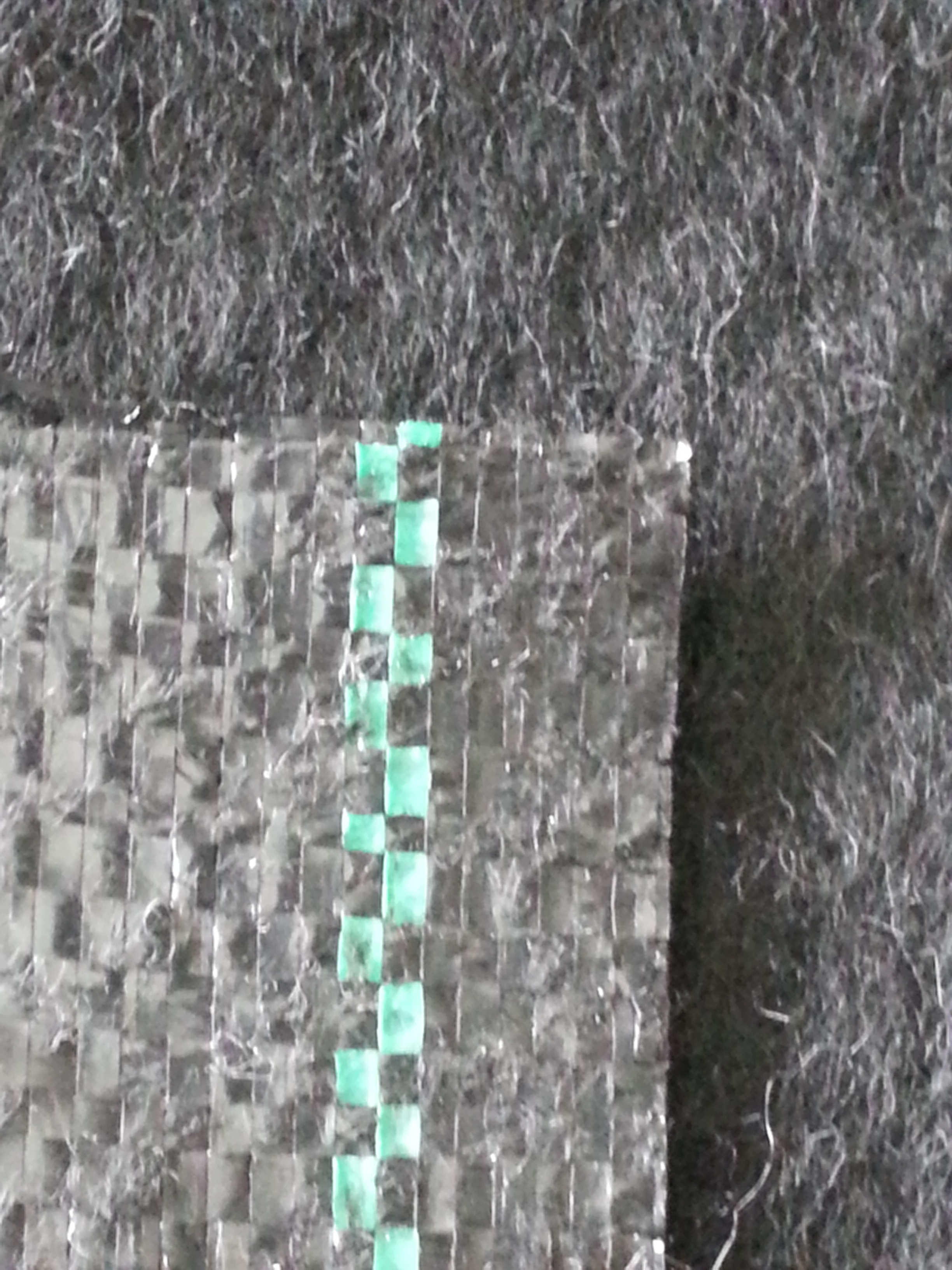
The key feature of Capped Woven Needlepunched Fabrics is their composite structure. The woven layer provides strength and dimensional stability, while the needlepunched surface adds texture, thickness, and a softer covering effect.
This structure makes the fabric different from a simple woven weed mat. A regular woven ground cover is strong, but its surface may feel relatively flat and thin. Needlepunched fabric is softer and more textile-like, but may require additional structural support in some demanding applications. By combining these two structures, capped woven needlepunched fabric offers a balanced solution for ground cover projects.
The woven base helps the fabric resist tearing and stretching during installation. The needlepunched surface improves coverage and helps create a more stable layer over the soil. This makes it suitable for areas where the fabric needs to perform for a longer time under outdoor conditions.
Better Weed Control Through Layered Coverage
Weed control depends on how well the fabric blocks sunlight and covers the soil surface. If sunlight reaches weed seeds, they may still grow through gaps or weak areas. Capped Woven Needlepunched Fabrics provide layered coverage, which helps reduce light exposure more effectively than very thin covering materials.
The fabric acts as a physical barrier over the soil. It limits weed growth by reducing the amount of light available at the soil surface. At the same time, the fabric can still support water movement depending on the material structure, which is important for planting areas.
For garden beds, nursery rows, orchard paths, and landscape areas, this layered covering effect can reduce manual weeding and help keep the project area cleaner.
Helping Soil Retain Moisture
In many planting projects, soil moisture is just as important as weed control. If the soil surface is fully exposed, water can evaporate quickly under sunlight and wind. This may increase irrigation frequency and make plant care more difficult.
Capped Woven Needlepunched Fabrics help cover the soil surface and reduce direct exposure. This can support better moisture retention around plants, especially in garden beds, nursery areas, shrubs, and tree planting zones.
The goal is not to seal the soil completely. A good ground cover fabric should help manage moisture while still allowing the planting area to breathe. This balance is important for healthy plant growth and easier maintenance.
A Cleaner Surface for Garden and Landscape Areas
Ground cover fabric also affects how a finished garden or landscape area looks. Bare soil can become muddy after rain. Weed growth can make the area look unmanaged. Loose mulch or gravel may mix with soil if there is no separating layer underneath.
Capped Woven Needlepunched Fabrics help create a cleaner base layer. They can be used under mulch, gravel, bark, decorative stones, or planting beds to reduce soil movement and improve the appearance of the finished surface.
This is useful in:
- Garden planting beds
- Nursery ground cover areas
- Orchard rows
- Landscape paths
- Shrub and tree planting zones
- Greenhouse walkways
- Decorative stone areas
By keeping the soil surface better covered, the fabric helps make the area easier to maintain.
Why Surface Texture Matters
The needlepunched surface gives the fabric a more textured feel compared with ordinary woven fabric. This texture can improve the fabric’s appearance and ground contact. In some applications, it also helps the fabric sit more naturally over the soil surface.
A textured surface can be useful when the fabric is visible after installation, such as in nursery aisles, greenhouse areas, or garden ground cover projects. It can make the surface look less like a plastic sheet and more like a professional landscape fabric.
For users who care about both function and appearance, this surface difference can be one reason to choose capped woven needlepunched fabrics.
Application Scenarios in Garden and Agriculture
Capped Woven Needlepunched Fabrics can be used in different ground cover applications.
In nurseries, the fabric helps create cleaner working areas between plant containers and reduces weed growth under pots.
In garden beds, it can be used around vegetables, flowers, shrubs, and trees to help control weeds and reduce soil surface evaporation.
In orchards, it can be laid along tree rows to reduce weed competition and make ground management easier.
In landscape projects, it can serve as a base layer under mulch, gravel, bark, or decorative stones.
In greenhouses, it can provide a cleaner walking and working surface while supporting weed control.
Because the fabric combines strength and surface coverage, it fits both professional planting projects and retail garden product markets.
Capped Woven Needlepunched Fabrics vs Ordinary Weed Barrier
Although both products can be used for weed control, their structure and use experience are different.
|
Product Type |
Structure |
Main Advantage |
Suitable Use |
| Ordinary Woven Weed Barrier | Woven polypropylene structure | Strong and economical | General weed control and ground cover |
| Needlepunched Nonwoven Fabric | Random fiber structure | Soft surface and good coverage | Landscaping, cushioning, filtration, protection |
| Capped Woven Needlepunched Fabrics | Woven base plus needlepunched surface | Strength, coverage, and surface stability | Garden, nursery, landscape, and longer-use ground cover |
This comparison shows why capped woven needlepunched fabric is useful when a project needs more than basic weed blocking.
Installation and Use Notes
Proper installation helps improve performance. Before laying the fabric, the soil surface should be cleared of sharp stones, large weeds, and uneven objects. The fabric should be laid flat and fixed securely to reduce movement.
In planting areas, holes can be cut according to plant spacing. The edges should be overlapped where two fabric rolls meet to reduce weed growth through gaps. If the fabric is used under mulch or gravel, the top layer can help improve appearance and protect the fabric surface.
For larger projects, roll width and roll length should match the project layout as much as possible. This helps reduce cutting waste, visible seams, and installation time.
Conclusion
Capped Woven Needlepunched Fabrics provide a practical ground cover solution by combining woven strength with needlepunched surface coverage. This structure helps support weed control, soil moisture protection, surface cleanliness, and long-term outdoor use in garden, nursery, greenhouse, orchard, and landscape projects.
For buyers looking for a stronger and more stable landscape fabric, capped woven needlepunched fabrics offer a useful alternative to ordinary weed barrier. The right fabric can help reduce maintenance, improve planting area management, and create a cleaner ground surface for both professional and consumer garden applications.
FAQ
1. What are Capped Woven Needlepunched Fabrics used for?
Capped Woven Needlepunched Fabrics are mainly used for weed control, soil moisture protection, garden ground cover, nursery areas, greenhouse walkways, orchard rows, and landscape projects.
2. How are Capped Woven Needlepunched Fabrics different from ordinary weed barrier?
They combine a woven base with a needlepunched surface. This gives the fabric better strength, thicker coverage, and a more stable surface than many ordinary weed control fabrics.
3. Can Capped Woven Needlepunched Fabrics help retain soil moisture?
Yes. By covering the soil surface, the fabric can reduce direct evaporation and help maintain a more stable moisture environment around plants.
4. Are Capped Woven Needlepunched Fabrics suitable for landscape projects?
Yes. They can be used under mulch, gravel, bark, decorative stones, planting beds, and landscape paths to support weed control and cleaner ground management.
Post time: Jul-20-2026