
Garage containment mats are increasingly used in residential, commercial, and industrial settings to manage liquid spills, debris, and surface contamination. For B2B buyers, including distributors, facility managers, and automotive service operators, understanding whether these mats truly work is essential for cost control, compliance, and long-term maintenance planning.
This article examines how garage containment mats function, where they perform best, their limitations, and whether they deliver measurable value in professional environments.
What Are Garage Containment Mats and How Do They Function?
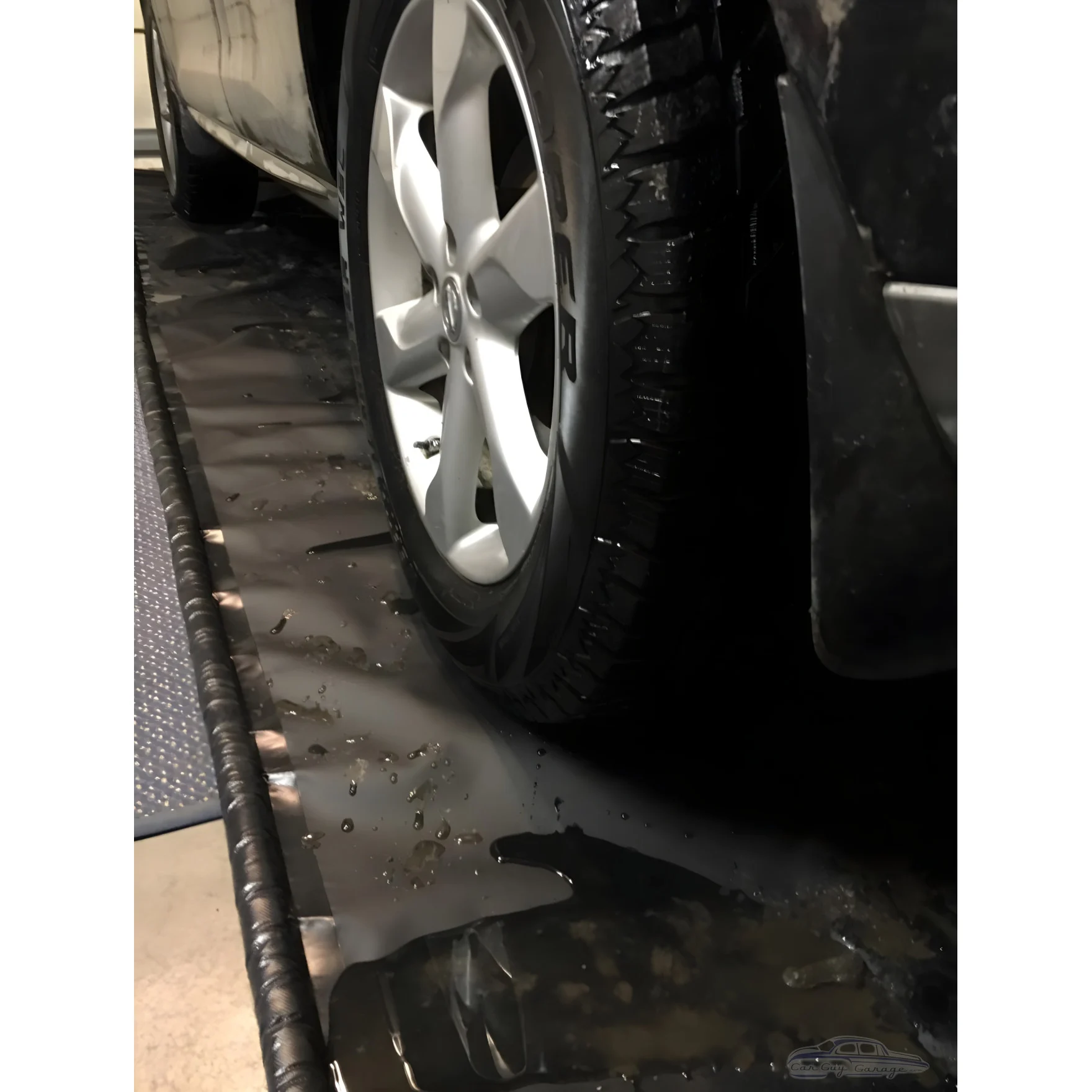
Garage containment mats are heavy-duty floor protection products designed to capture and contain liquids such as oil, water, snow melt, chemicals, and automotive fluids. They are typically manufactured from reinforced PVC, rubber composites, or thermoplastic materials with raised edges that prevent runoff.
The working principle is simple but effective. Liquids and debris are trapped on the mat surface instead of spreading onto the concrete floor, where staining, corrosion, or environmental contamination could occur. In commercial environments, this containment mechanism helps reduce cleanup time and protects infrastructure assets.
Key functional features include:
● Raised perimeter walls to retain liquids
● Non-porous surfaces that resist fluid absorption
● Slip-resistant textures to improve safety
● Compatibility with vehicles, equipment, or machinery
For B2B applications, material thickness and edge height are critical performance indicators rather than appearance or portability.
Do Garage Containment Mats Work in Real-World Applications?
From a functional standpoint, garage containment mats do work when used correctly and in suitable environments. Their effectiveness depends on load capacity, material quality, and alignment with operational needs.
In controlled environments such as parking garages, service bays, or fleet maintenance facilities, containment mats consistently reduce floor contamination. They are particularly effective in regions with snow, rain, or frequent fluid leakage from vehicles and machinery.
However, performance is not universal. Mats must be selected according to usage intensity and expected fluid volume. Undersized or lightweight mats may fail under heavy-duty or continuous-use conditions.
Key Benefits for B2B and Commercial Users
For professional buyers, garage containment mats provide value beyond basic floor protection. Their advantages align with operational efficiency and regulatory compliance rather than convenience alone.
● Floor protection against oil, coolant, fuel, and chemical stains
● Reduced concrete degradation and surface cracking
● Lower cleaning labor and maintenance costs
● Improved workplace safety by minimizing slip hazards
● Environmental compliance support through spill containment
In multi-vehicle or high-traffic environments, these benefits translate into measurable reductions in facility upkeep expenses over time.
Performance in Different Commercial Scenarios
Garage containment mats are not limited to residential garages. Their effectiveness varies by industry and use case.
In automotive service centers, mats help manage oil changes, brake fluid spills, and snowmelt from customer vehicles. In logistics and fleet depots, they protect floors from hydraulic leaks and road contaminants. Warehouses and light industrial sites use them under forklifts or mobile equipment to isolate fluid leakage.
For outdoor or semi-covered spaces, UV resistance and temperature tolerance become important considerations. Mats designed for indoor use may lose flexibility or crack when exposed to prolonged sunlight or freezing conditions.
Limitations and Practical Considerations
While garage containment mats are effective, they are not a universal solution for all spill-control challenges. Understanding their limitations is essential for realistic expectations.
● They do not absorb liquids and require manual cleaning
● Overfilling can occur if fluid volume exceeds edge capacity
● Heavy equipment may deform low-grade mats
● Improper sizing reduces containment efficiency
For operations handling hazardous or high-volume chemical spills, containment mats should be viewed as a supplementary measure rather than a replacement for industrial spill control systems.
How Material and Design Affect Effectiveness
Not all garage containment mats perform equally. Material composition directly influences durability, flexibility, and resistance to chemicals.
High-quality PVC or rubber-based mats with reinforced backing maintain shape under vehicle weight and temperature fluctuations. Welded or molded edges provide better long-term containment than glued seams. Thickness also matters, especially in commercial environments where repeated loading occurs.
For B2B buyers, evaluating tensile strength, chemical resistance ratings, and edge height specifications is more important than color or branding.
Cost Efficiency and Long-Term Value
From a procurement perspective, garage containment mats offer favorable cost-to-performance ratios. While initial costs may exceed basic floor coverings, long-term savings are achieved through reduced concrete repair, lower cleaning frequency, and minimized downtime.
In leased facilities, mats also help prevent floor damage penalties and extend usable life without permanent modifications. For fleet operators, standardized mat usage across locations simplifies maintenance protocols and improves cleanliness consistency.
Are Garage Containment Mats a Reliable Solution?
In summary, garage containment mats do work when selected and applied correctly. They are not merely convenience accessories but functional containment tools that support operational efficiency, safety, and facility protection in B2B environments.
Their reliability depends on matching product specifications to real-world demands, including vehicle weight, fluid exposure, and environmental conditions. When integrated into a broader maintenance or spill-management strategy, they deliver consistent and measurable value.
FAQ: Garage Containment Mats for Commercial Use
Q1: Can garage containment mats handle heavy commercial vehicles?
Yes, provided the mats are designed for high load capacities and made from reinforced materials. Light-duty mats are not suitable for trucks or industrial equipment.
Q2: How often do garage containment mats need cleaning?
Cleaning frequency depends on fluid exposure. In commercial settings, regular inspection and scheduled cleaning help maintain performance and safety.
Q3: Do garage containment mats meet environmental compliance requirements?
They can support compliance by preventing fluid runoff, but they should not replace certified spill containment systems where regulations require them.
Q4: Are garage containment mats reusable long term?
High-quality mats are designed for repeated use over several years, assuming proper cleaning and storage practices are followed.
Post time: Jan-07-2026