
Choosing landscape fabric involves more than covering soil. Nurseries, gardens, and crop-growing areas may require weed suppression, water permeability, installation stability, and resistance to outdoor conditions. A product that meets one requirement may not satisfy all of them.
Capped Woven Needle-Punched Fabric combines a woven base with a needle-punched fiber layer. This construction brings together two different fabric structures in one ground-cover product. Understanding each layer helps users assess suitability and identify which specifications to check before ordering.
What Is Capped Woven Needle-Punched Fabric?
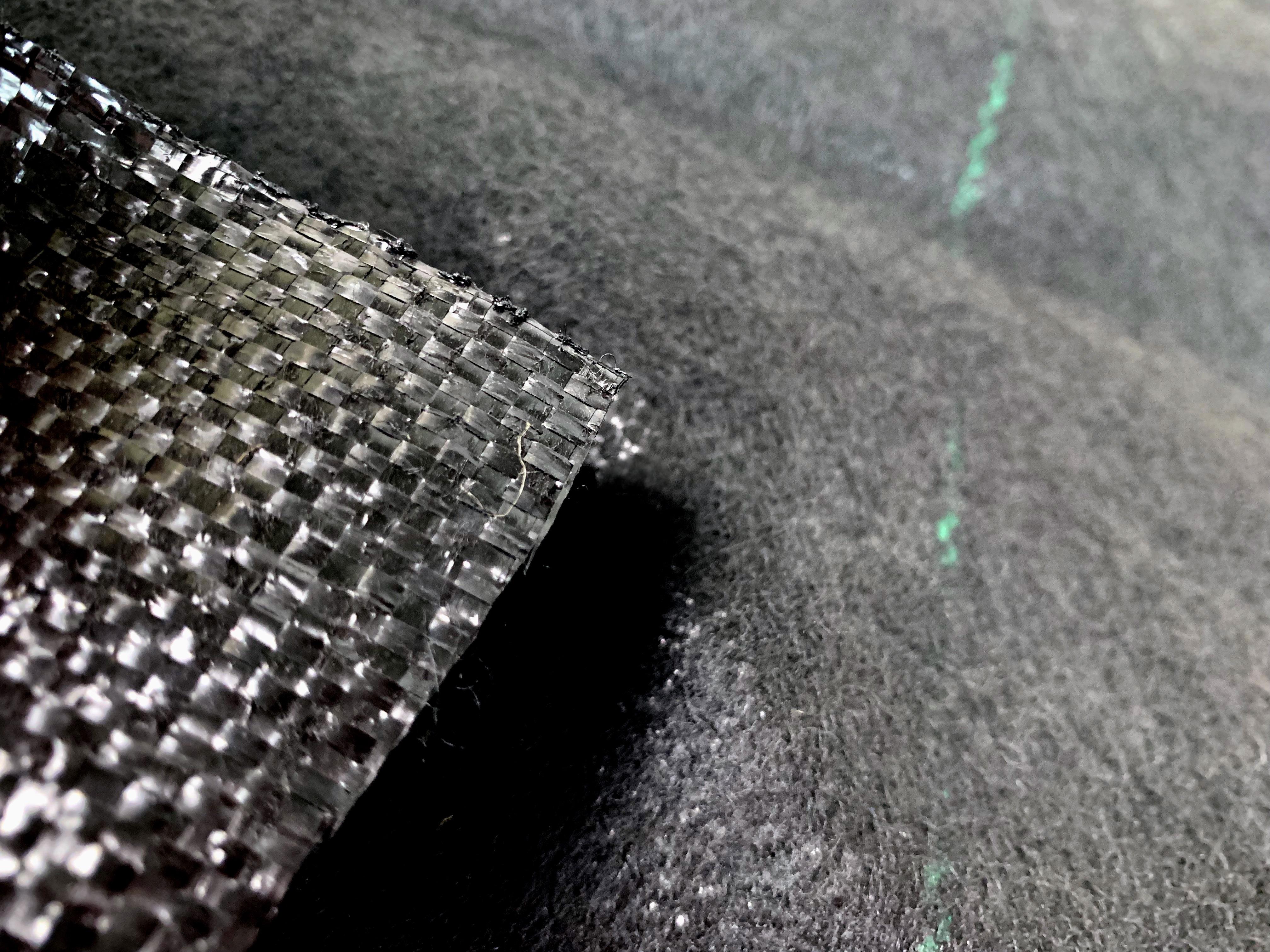
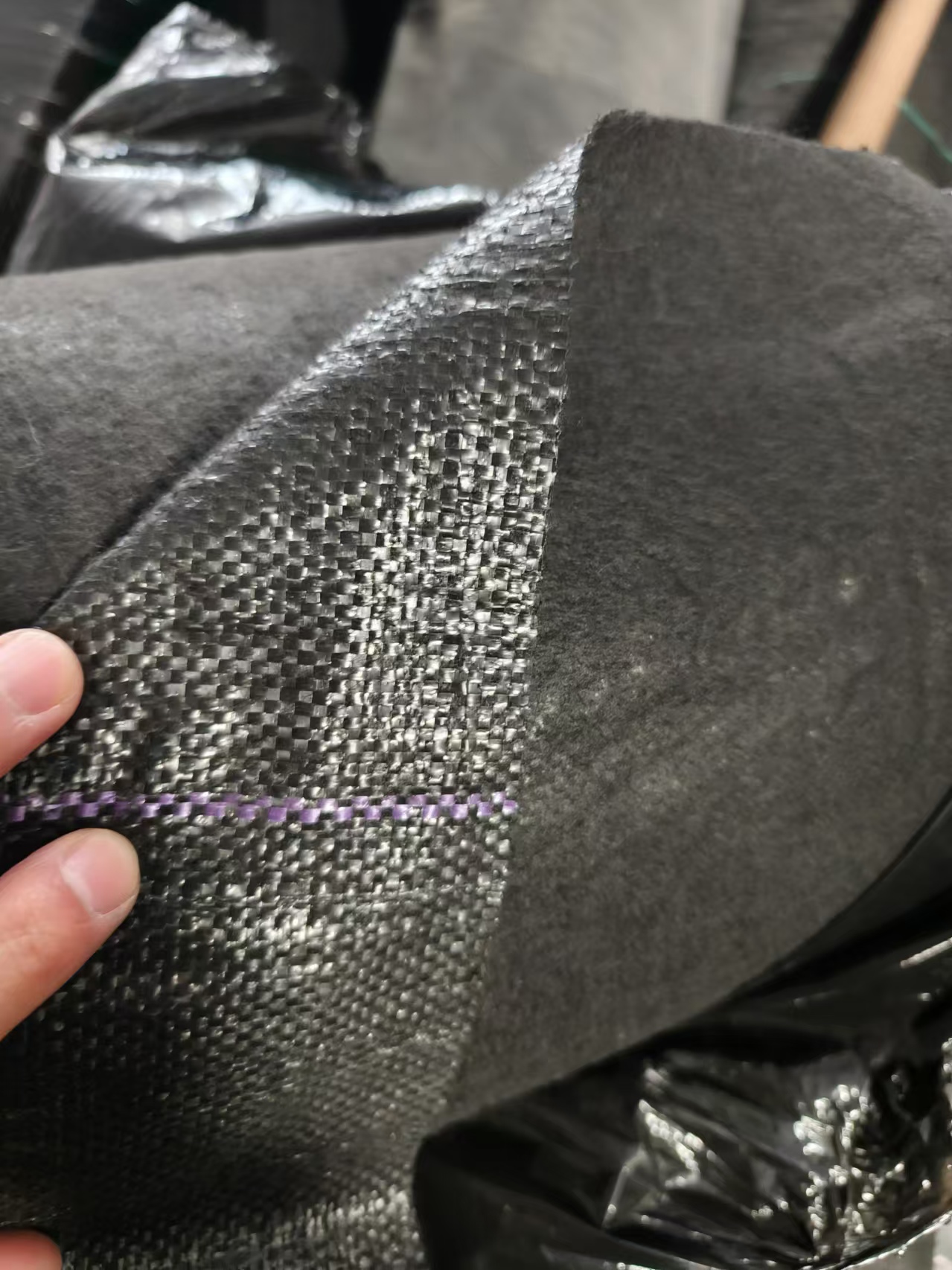
This material is built from a woven foundation and a needle-punched surface layer. The woven base is made by interlacing polymer tapes or yarns. Its organized structure helps the fabric retain its shape during handling, cutting, and installation.
The needle-punched layer is formed by mechanically entangling fibers into a web. Its porous surface differs from a regular woven pattern and can provide pathways for water movement, depending on product design.
The finished fabric should be evaluated as a complete product. Its performance depends on the base material, fiber layer, bonding method, and finished-roll specifications. The product name alone cannot establish strength, permeability, or service life.
How Does the Combined Structure Benefit Ground Cover?
Landscape applications often involve several requirements: the cover must stay in place, limit weeds, and suit site irrigation and drainage conditions.
A Stable Base for Handling and Installation
The woven foundation provides a defined structure that helps the fabric retain its shape when it is unrolled, positioned, cut, and secured. This can be useful when covering long planting rows or larger nursery areas, where material alignment and consistent coverage matter.
Resistance to pulling or tearing depends on polymer type, construction, weight, and installation. Sharp stones, excessive tension, or unsuitable fastening can still damage the fabric, so site preparation and careful handling remain necessary.
A Porous Fiber Surface
The needle-punched layer adds a fibrous surface with interconnected spaces. This structure can support water movement through the fabric, allowing rainfall or irrigation to reach the soil when the product is designed with suitable permeability.
Appearance alone cannot confirm water flow. Both layers affect permeability, so request product specifications or test information when water distribution is important.
Ground Coverage and Weed Suppression
Weeds need suitable conditions, including access to light, to establish and grow. When properly installed, landscape fabric forms a physical barrier that reduces light reaching the soil surface and can limit the emergence of many common weeds.
The combined construction provides ground coverage with a porous surface, but weed control also depends on installation. Open seams, uncovered edges, oversized plant openings, and accumulated debris can allow weeds to establish.
Where Can This Fabric Be Used?
Capped Woven Needle-Punched Fabric may be considered for landscape and horticultural settings where ground coverage, weed management, and water movement are relevant.
Nurseries and plant-growing areas: Fabric between growing containers or planting rows can help keep the ground covered and reduce weed growth in working areas. Roll dimensions and ease of cutting are important when layouts change or sections need to be replaced.
Flower beds and landscaped gardens: The material can be installed around planting areas, sometimes beneath mulch or decorative stone. Plant openings should be cut carefully so the fabric does not interfere with stems, while gaps should be limited to reduce weed emergence.
Vegetable and crop rows: Ground cover may help reduce weed pressure between plants and support a more manageable soil surface. Before selecting a product, consider crop spacing, irrigation layout, seasonal exposure, and whether water can pass through the material at the required rate.
Paths beneath decorative coverings: In some landscape designs, fabric is placed beneath gravel or similar materials. This use should be assessed according to expected foot traffic, ground preparation, and the mechanical demands of the area. It should not be assumed that a landscape fabric is suitable for heavy vehicle loads or demanding civil engineering applications.
Capped Woven Needle-Punched Fabric vs. Ordinary Woven Ground Cover
Ordinary woven ground cover mainly relies on an interlaced structure. Capped Woven Needle-Punched Fabric adds a needle-punched fiber layer to that woven foundation. This is a meaningful construction difference, but it does not automatically make one product better for every project.
|
Consideration |
Ordinary woven ground cover |
Capped woven needle-punched fabric |
| Construction | Woven polymer base | Woven base with needle-punched fiber layer |
| Surface | Regular woven texture | Fibrous surface over a woven foundation |
| Water movement | Depends on weave and product design | Depends on the combined structure and its permeability |
| Selection priority | Ground coverage and required strength | Ground coverage plus the required surface and water-flow characteristics |
If the main requirement is straightforward ground coverage and weed suppression, ordinary woven fabric may be sufficient. A combined product may be worth considering when the project also calls for the characteristics of a needle-punched surface.
Compare actual GSM, thickness, permeability, tensile properties, and roll dimensions rather than assuming a more complex structure is always better.
What Should Be Checked Before Ordering?
A product name or general description is not enough to confirm suitability. Before requesting a quotation, define the application and compare products against a consistent set of requirements.
- Material and construction: Confirm the polymer type and that the product has both a woven base and a needle-punched layer.
- Weight and thickness: Check the stated GSM and thickness, including the measurement method and any acceptable tolerance.
- Water permeability: Confirm whether the product’s water-flow characteristics match the irrigation and planting conditions.
- Mechanical properties: Review tensile strength and tear resistance where handling, tension, or ground conditions make them important.
- Roll dimensions: Specify width, length, and roll format to estimate coverage, overlap, cutting, and material waste.
- Outdoor exposure: Ask whether the product is suitable for the expected sunlight, weather, and duration of use.
A sample helps assess texture, flexibility, cutting, and handling. For bulk orders, confirm that delivered rolls will follow the approved specifications and clarify tolerances for essential performance values.
How to Improve Installation Results
Prepare the ground by removing existing weeds and sharp debris. Unroll the fabric without excessive stretching, overlap adjacent sections according to site conditions, and secure edges and seams with suitable fasteners. Keep plant openings as small as practical without restricting growth. Periodically check exposed edges and seams, and remove accumulated soil or organic debris that could allow weeds to establish.
Choosing a Product for Your Landscape Project
The right ground cover depends on plant type, soil, irrigation, installation area, and outdoor exposure. Capped Woven Needle-Punched Fabric may suit projects needing a woven base and fibrous surface, provided its specifications match site requirements.
Vinner includes Capped Woven Needle-Punched Fabric in its multipurpose fabric range. When discussing a project, provide the intended application, required roll width and length, and any important performance expectations. This makes it easier to identify the relevant product details and compare a quotation with the needs of the installation.
Conclusion
Capped Woven Needle-Punched Fabric combines a woven base with a needle-punched fiber layer for landscape and horticultural ground-cover applications. The construction can support stable handling, weed suppression, and water movement, provided the finished product has suitable specifications.
Before choosing a roll, compare its construction, permeability, mechanical properties, and dimensions with the demands of the site. Clear specifications, a relevant sample, and correct installation are more reliable decision points than product name or price alone.
FAQ
1. What is the difference between capped woven and ordinary woven ground cover?
Capped woven ground cover combines a woven foundation with a needle-punched fiber layer. Ordinary woven ground cover mainly consists of an interlaced woven structure.
2. Does capped woven needle-punched fabric allow water to pass through?
The needle-punched layer has a porous fiber structure that can support water movement. Actual permeability depends on the complete fabric construction, so check the product specifications for the required application.
3. Can this fabric completely prevent weeds?
No ground cover can guarantee that all weeds will be eliminated. The fabric can reduce light reaching the soil, but weeds may still grow through gaps, plant openings, or organic material accumulated on the surface. Proper installation and maintenance remain important.
Post time: Nov-26-2026